

By LeiLani Cauthen
Almost every school district in the United States is experiencing student attrition. Outside of areas with rapid population growth or migration, families are increasingly opting out of the traditional public classroom. Parents are choosing homeschooling, charter and magnet schools, virtual schools, hybrid models, or mixes of those options. This year roughly 27 percent of school-aged children have left the conventional public school system; next year that figure is expected to rise above 30 percent. If current trends continue, we could see nearly half of school-aged children outside traditional public schools by 2030.
One out of every two children. That number is startling and worth pausing over: at what point does the system need fundamental change? The situation is urgent, but it is not hopeless. There isn’t a quick fix, but there is a clear and practical strategy to slow and reverse enrollment loss.
The single most powerful way to retain and attract students is to focus on the student experience. Families no longer accept schooling as merely content delivery. They expect meaningful, high-quality experiences—social, academic, and practical—from the places where children spend their days. Schools that deliver exceptional experiences will succeed; those that do not will continue to lose students to alternatives that meet family expectations for engagement and outcomes.
To understand how to respond, we must first trace the market forces behind this shift. Education today is in an inverse growth model compared with a century and a half ago. Historically, schooling started as small, local one-room setups and then aggregated into large, standardized systems that treated learning like a manufacturing process—organized by grades, bells, and mass pacing. That model peaked in the mid-20th century and has been under pressure ever since.
Where this thing is going now
A decentralizing wave is reshaping education: school choice, blended and flipped learning, homeschooling, and the consumerization of education are converging. These trends mirror transformations in other industries—retail, transportation, logistics—where digital platforms and consumer expectations disrupted legacy players. In education, consumer-driven alternatives are gaining ground and carving out meaningful shares of enrollment.
Consumerization and local innovation—such as neighborhood learning collectives or small consortiums that share resources—are becoming more common. These arrangements appeal to families because they offer personalization, flexibility, and community. Meanwhile, traditional public schools must respond by reinventing the value of a physical campus.
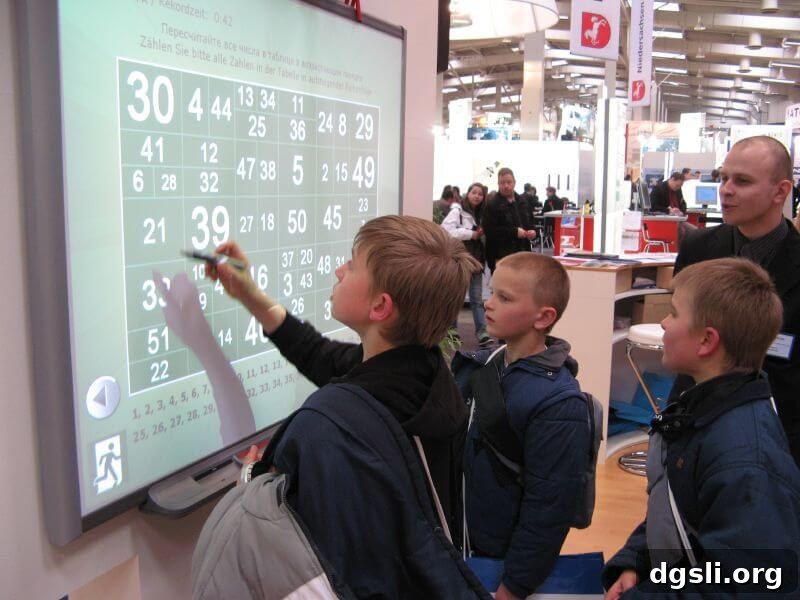
The competitive advantage of school buildings lies in the experiences they can uniquely provide: sustained social interaction, team-based activities, hands-on labs, maker spaces, woodworking, robotics, esports, and collaborative projects that are difficult to replicate at home. When a school becomes a hub of high-quality, experiential learning, it offers a reason for students to be present beyond routine instruction.
That doesn’t mean schools should simply revert to old models. Instead, the future lies in blending rich in-person experiences with adaptive digital learning. Imagine an individualized, algorithm-driven curriculum that adapts to each learner, freeing classroom time for meaningful, project-based collaboration. Digital systems can handle personalized instruction pathways, while physical campuses become centers for social learning, mentorship, and hands-on practice.
This hybrid model flips the market: rather than pitting online versus in-person learning, schools integrate both so well that they become more attractive than purely remote or home-based options. If public schools can design memorable, high-quality experiences around a robust adaptive curriculum, they can reverse enrollment declines—bringing students back and making traditional schools the preferred choice once more.
The challenge is large, but the remedy is clear: prioritize student experience, invest in unique in-person opportunities, and couple those with powerful, personalized digital learning. Do that, and instead of walking away, families will choose to come back.
About the Author
LeiLani Cauthen is CEO and Publisher of the Learning Counsel and author of The Consumerization of Learning.