
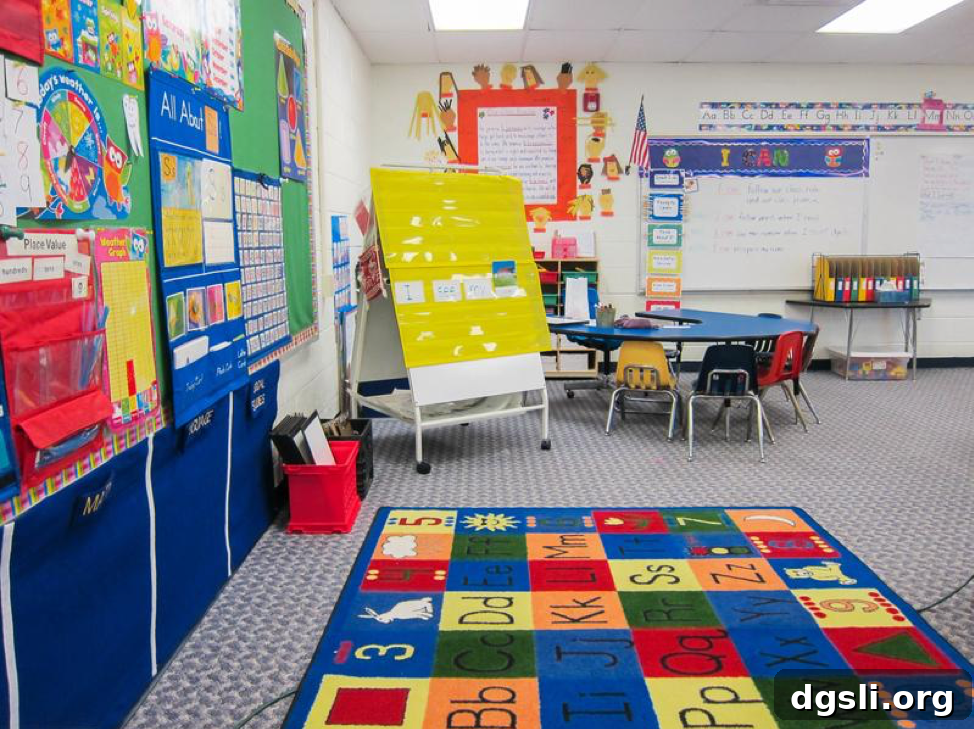
There’s a saying that a cluttered room leads to a cluttered mind. For teachers, an orderly classroom fosters calm, focus, and productive learning. Your classroom appearance reflects your teaching style, and students pick up on routines and expectations quickly. If organization hasn’t been a priority, it’s never too late to start. Below are practical, classroom-tested strategies to bring structure to your space, help students develop habits, and make every school day run more smoothly.
Use Bins
Bins are one of the most versatile tools for classroom organization. Available in many sizes and price ranges, they can store pencils, seasonal decorations, art supplies, manipulatives, and more. Keep a set inside your desk so you can find essentials quickly. Place labeled bins on classroom shelves so each student or subject has its own container—this makes transitions faster and reduces lost items. Bins also work well as inboxes for homework, centers for small-group supplies, and portable stations for project materials.
Designate an Area for Coats and Bags
Children thrive on predictable routines. Assign a clear area for coats, backpacks, and boots so students know exactly where to put their belongings when they arrive. Hooks, cubbies, or labeled spots give each child a small space they can take responsibility for—this builds independence and reduces morning chaos. A designated drop zone also keeps walkways clear and helps maintain a distraction-free learning environment, allowing you to focus on instruction instead of managing clutter.
Utilize Shelves
Shelves and cubbies are prime real estate in any classroom. Use them to store daily materials, student projects, and subject-specific supplies. Label each compartment so students can return items independently. If you have a shelf mounted high and out of reach, reserve it for display items like awards or seasonal décor instead of crowding your desk. Well-managed shelving supports desk organization and makes clean-up routines faster and more consistent.
Use Empty Tissue Boxes as Bag Dispensers
Empty tissue boxes are an easy, budget-friendly dispenser for plastic bags used to send items home. Decorate them with student art as a simple classroom craft, then fill them with grocery or produce bags. These dispensers are great for holding wet clothes from recess, returned permission slips, or stacks of artwork that need to go home with students. It’s a practical reuse idea that saves space and keeps materials neat.
Make Those Mittens Work!
Collect old mittens as inexpensive mini-pockets for small supplies. Attach a clothesline at child height and slide mittens onto the line by securing the cuff so the opening faces outward. These mitten pockets can hold pencils, erasers, small manipulatives, or other classroom essentials and add a seasonal, homey touch to storage. They’re an especially charming solution for younger students.
Dry Those Masterpieces
Art drying systems protect student work while keeping it organized. Collapsible drying racks are compact and fit in closets when not in use, though projects on low racks may be reachable by students. A higher clothesline or dedicated drying area keeps artwork out of reach until it’s dry and reduces accidental smudges. Choose a method that balances accessibility with protection based on your classroom layout and student needs.
Create a Mail System
Setting up a simple classroom mail system teaches responsibility and communication. Assign each student a labeled slot, mailbox, or cubby where they receive notes, returned work, or classroom mail. Encourage students to check their mail at designated times and to place messages for you in a specific “outgoing” area with a visible signal when something needs your attention. This system builds routines and helps manage paper flow.
Reuse and Recycle
Upcycling common household items saves money and supports classroom organization. Glass jars, baby food containers, muffin tins, tackle boxes, and old suitcases can be repurposed as paint pots, sorting trays, supply organizers, and a dress-up chest. Demonstrating creative reuse also models sustainability for students and encourages resourcefulness when managing classroom materials.
Organizing your classroom takes time up front, but the payoff is greater student focus, smoother routines, and less stress for you. Children respond positively to consistent procedures and clear expectations. When systems are in place and followed, learning time increases and distractions decrease. Keep refining your approach, involve students in maintaining the space, and enjoy the benefits of a calm, orderly classroom each school day.
Education is constantly changing, so make sure you keep up with it!