
By Norberto Perez
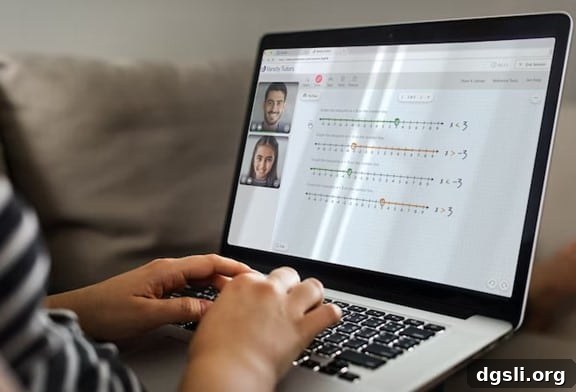
Integrating a virtual, chat-based tutoring service into our after-school tutoring program proved to be an excellent fit for both students and teachers. While many districts struggle to generate consistent usage, our district has seen encouraging participation. Teachers appreciate the flexibility the service provides, and students benefit most from the private, on-demand support that chat-based tutoring offers when they feel uncertain or reluctant to ask questions in front of peers.
The most valued feature among students is the ability to ask questions without embarrassment. A chat-based format gives learners anonymity and a sense of safety that encourages honest questions and steady progress. That privacy, combined with easy access outside regular classroom hours, has helped build trust in on-demand tutoring as a reliable academic resource.
Success did not come from a single change but from a combination of careful promotion, purposeful design, and ongoing support. We prepared families, teachers, and students ahead of launch so they understood how to access and use the tool. The time and resources invested in outreach paid off: awareness grew quickly and engagement followed.
- Clearly Identify Tutoring Sites
Our after-school tutoring operates from designated hubs across the district. Each hub is clearly identified with a permanent plaque or visible signage at the front of the site, so families and students immediately know where tutoring is available. Clear, consistent wayfinding reduces confusion, increases trust, and removes a simple barrier that can keep students from participating.
- Engage Teachers in Your Outreach Efforts
Teachers are essential ambassadors for any tutoring program. I collaborated with staff to determine the types of promotional materials they preferred for their classrooms. Some wanted large posters; others preferred small flyers. By providing multiple formats, teachers were able to choose what worked best for their students and classroom routines. Once teachers had materials they liked, they began actively referring struggling students to tutoring, which drove steady referrals and greater student uptake.
- Know Your Audience
Effective outreach starts with understanding when and where families and students are most receptive to messages. Two simple tactics we used were refrigerator magnets and yard signs along campus walking paths. Magnets sent home with students served as a constant reminder in the places families frequent daily, and they included clear instructions to access the chat-based, on-demand tutoring site. Yard signs—printed in both English and Spanish—reached families who may have limited time to read flyers. These physical reminders, together with announcements on the district website, social media posts, and email broadcasts, ensured the program remained visible to the whole community.
- Highlight Student Success
Sharing positive experiences helped normalize tutoring and motivated others to try it. I invited students and teachers who were using the platform to share their stories via a district podcast episode. We then promoted the episode through social media, email communications, and the district’s tutoring web page. Hearing peers and educators describe real benefits made the program more approachable and demonstrated concrete value to families considering it for their children.
Data Shows Student Engagement Increases Over Time
Usage data from the start through the close of our tutoring cycle shows steady increases in student participation. Equally important, the number of requests per student rose over time, indicating repeat use and growing confidence in the service. These trends suggest that once students try on-demand tutoring, they often return for additional support. While we will continue to evaluate the program’s long-term impact on learning outcomes, the evidence so far indicates that chat-based, on-demand tutoring has become an important and effective component of our after-school tutoring offerings.
About the author
Norberto Perez is the Agent of Expanded Learning Programs at the award-winning Rialto Unified School District in Southern California. Mr. Perez led the district’s after-school tutoring program rollout, which supports students recovering from pandemic-related learning disruptions.