
Written by: Dr. Kimberlee Ratliff
Many students who qualify for special education are included in general classrooms, but a number require specialized support based on the severity of their disabilities. When I moved into middle school counseling, I worked with students who were in a designated classroom for severe disabilities. These students spent most of their day together with limited interaction with the broader student population.
Early in my assignment I noticed troubling behaviors in the hallway as these students arrived each morning: stares, mocking expressions, and jokes that bordered on bullying. It was clear that we needed a proactive approach to build acceptance and empathy across the school community.
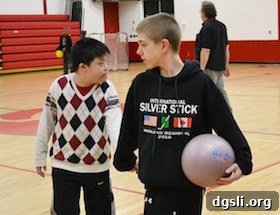
Together with Erin Tucker, our gifted education teacher, I developed a peer buddy initiative called Panther Pals (named for our school mascot). The program partnered students from the gifted education track with students from the severe disabilities classroom. Our aim was to create meaningful connections, reduce isolation, and encourage respectful interactions. The results surpassed our expectations.
Getting Started
We began by presenting the concept to the principal and the teaching staff, outlining the program goals and the ways it could improve school climate. After receiving approval, we invited gifted-program students to apply to become buddies. The application asked why the student wanted to participate, what their interests were, and basic information to help with pairings. For the safety and privacy of students in the special education class, we requested parental permission for participation; parents were overwhelmingly supportive.
Sensitivity Training
Once applications and permission slips were collected, we held orientation and sensitivity training for the buddies. This session covered expectations, confidentiality, and communication strategies. Teachers from the special education classes contributed essential insight on working with diverse needs and helped the buddies understand the best ways to connect with their partners.
Training included experiential activities that simulated visual impairment and mobility challenges so students could better appreciate the daily obstacles their buddies might face. We paired students by shared interests and organized monthly activities to strengthen relationships and practice social skills.
Examples of Program and Social Skills Activities
- Reading day — buddies shared books together; many students who do not speak still enjoyed the shared experience of reading time.
- Valentine’s Day — making and decorating heart-shaped cookies together.
- Crafts — creating mini tote bags as a collaborative project.
- Field trips — a bowling outing followed by a pizza lunch to practice social routines outside of school.
- Movement stations — rotating exercise activities to encourage participation and physical engagement.
- Social lunches — structured opportunities for conversation and relationship building.
- Practical skills trip — buddies accompanied students with cognitive disabilities to a mall to practice including tax in purchases and handling simple transactions.
 Results
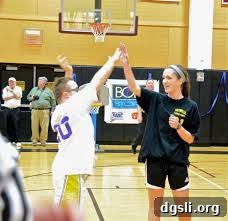
Our initial objective was to reduce exclusion and potential bullying by increasing acceptance of students with severe disabilities. We also wanted to cultivate empathy and authentic friendships between peers. The Panther Pals program delivered on both aims.
Success was visible during organized activities and in everyday school interactions. Gifted-program students learned practical communication strategies for connecting with peers who have limited verbal ability, developed a sense of responsibility and self-worth through their roles as buddies, and became active defenders when peers reacted unkindly toward their partners.
Recommendations
While inclusion in mainstream classrooms is an important goal, students with severe disabilities can still experience social isolation. A structured peer buddy program is an effective strategy to foster a positive school climate and create regularly scheduled, meaningful interactions between students who might otherwise be excluded. I strongly recommend schools consider a similar model to support connection, empathy, and belonging.
Social Skills Activities and Resources
There are many curated collections of social skills activities and printable resources that can help schools design buddy programs and classroom lessons. Search for collections under titles such as “Social Skills Activities” on popular idea-sharing platforms, printable social skills activities for parents and educators, curated social skills lesson plans for children and teenagers, free downloadable social skills resources from autism education sites, and elementary-focused social skills success boards for primary teachers. These resource categories can provide ready-made games, lesson plans, and activity outlines to support peer interaction and communication practice.
About the Author
Dr. Kimberlee Ratliff is a National Certified Counselor (NCC), National Certified School Counselor (NCSC), and Trauma and Loss School Specialist (TLC Institute). She is Program Director and Associate Professor for the M.Ed. School Counseling Program at American Public University System (APUS). Prior to APUS, Dr. Ratliff served as an elementary and middle school counselor in North Carolina and Northern Virginia and taught at George Mason University.
Dr. Ratliff’s recognitions include the Virginia Counselors Association Counselor of the Year Award, the Prince William County Schools Above and Beyond Award, the Prince William County Education Foundation Hero in Education Award, and the APUS Teaching Excellence Award for the School of Education. She has held leadership roles in regional and state counseling associations and is a member of the American School Counselor Association and the American Counseling Association. Her presentations at local, state, and national levels have focused on bully prevention and counseling multiracial children. Contact: [email protected]
Additional peer-buddy program information and examples of successful implementations are also available through organizations dedicated to peer support and inclusion programming, which provide program descriptions, training guides, and practical recommendations for schools wanting to start their own buddy initiatives.