
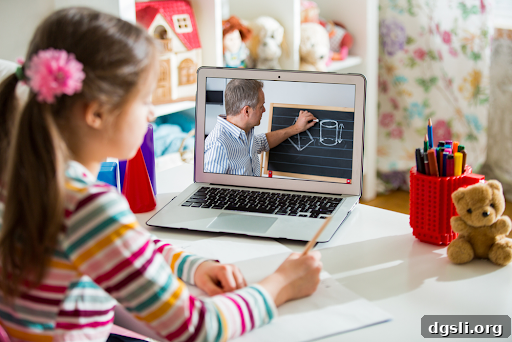
Prior to the pandemic, at-home and virtual learning were typically limited to homeschooled children or students with medical needs that prevented attendance at traditional schools. At the height of COVID-19 disruptions, more than 90 percent of American households with school-age children reported participating in some form of distance learning, dramatically expanding the use of remote education across the country.
As schools, families, staff, and students adapted to online classrooms, they faced a range of logistical and operational challenges. One critical area that emerged was emergency preparedness tailored to a distributed learning environment. Schools needed to build new systems for communication, coordination, continuity, and recovery to handle emergencies when staff and students were not physically together.
If your institution is navigating remote or hybrid learning, the following practical tips will help you strengthen emergency preparedness and ensure smoother transitions during unexpected events.
Create an Action Plan
When teachers, administrators, and support staff are no longer centralized in a campus building, coordinating responses becomes more complicated. An action plan is essential: it clarifies roles, outlines responsibilities, and sets clear protocols for different scenarios so everyone knows what to do when an incident occurs.
Effective action plans address multiple phases—preparation, response, recovery—and are tailored to your school’s size, resources, demographic needs, and technology environment. Include contact procedures, criteria for switching between in-person and remote learning, processes for continuity of instruction, and steps for supporting students with special needs. Regularly review and update the plan to reflect new lessons, technology changes, and evolving public health guidance.
Keep Your Actions and Responses Organized
Implementing an action plan requires visibility and accountability. Track tasks, assignments, timelines, and outcomes so you can confirm that essential steps are completed and identify any gaps. Organized data helps administrators evaluate the effectiveness of responses and improves planning for future incidents.
Centralized dashboards or emergency operations platforms can bring structure to this process. A virtual emergency operations center (Virtual EOC) enables teams to assign tasks, monitor progress in real time, and store documentation in one place. This consolidated view helps decision-makers coordinate resources, avoid duplicated efforts, and generate an audit trail for after-action reviews.
Make Sure Communication Is Instant and Seamless
Timely and clear communication is the backbone of any emergency response, and it becomes even more crucial when staff and students are distributed. Establish a primary communication system and fallback channels so messages reach people quickly, regardless of where they are working from.
Best practices include defining who sends notifications, standardizing message templates, and using multiple channels—email, SMS, phone trees, and platform-based alerts—to increase the likelihood that everyone receives critical information. Avoid forcing staff to hunt for updates across disparate sources; a single source of truth reduces confusion, minimizes missed messages, and supports faster action.
Also plan for routine check-ins and status updates during an incident so teams remain aligned. Clear expectations about response times and escalation procedures will help maintain continuity of instruction and operations.
Managing Emergency Response in the Age of Remote Learning
Although many schools have returned to in-person learning, the experience of the pandemic made it clear that rapid shifts back to remote education can happen. Preparing now for remote operations—regardless of current modality—reduces disruption and preserves instructional quality when conditions change.
Key elements of resilient emergency management include: documented action plans, centralized tracking of tasks and decisions, reliable multi-channel communication, and regular drills or tabletop exercises that include remote scenarios. Engage teachers, support staff, families, and students in planning so procedures are practical and widely understood.
By investing in clear plans, organized systems, and fast communication, educational institutions can respond more effectively to emergencies and maintain continuity of learning. These steps help protect student welfare, support staff, and ensure that transitions between in-person and remote learning are as seamless as possible.