
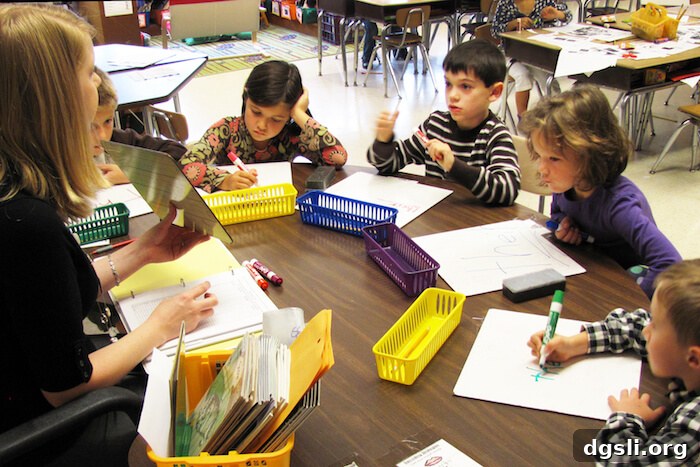
Over the past two decades, the number of English language learners (ELLs) in U.S. schools has grown significantly. ELL students are a highly diverse group that includes children and adults from many cultural and linguistic backgrounds. Their academic, social, and emotional needs vary widely, and meeting those needs requires collaboration among ELL specialists, classroom teachers, administrators, families, and communities.
How many ELL students are in the U.S.?
In the 2012–2013 school year, roughly 4.85 million students were identified as English language learners in U.S. public schools, representing nearly 10% of the total student population. This group has been the fastest-growing student population in many districts, with notable increases over the past decade.
Where do ELL students live?
ELL students live and study in all 50 states. They are heavily concentrated in states such as California, Arizona, Florida, Texas, New York, and Illinois. California alone serves more than 1.5 million ELL students. At the same time, many Midwestern and Southeastern states have seen substantial increases in ELL enrollment, highlighting the nationwide need for responsive instruction and services.
The Need for ELL and Bilingual Teachers
The growth of the ELL population is not matched by a proportional increase in certified ELL or bilingual teachers. In many schools, mainstream teachers must work closely with ELL specialists to provide a consistent, developmentally appropriate learning experience. Without adequate bilingual support or first-language resources, mainstream classroom teachers play a crucial role in facilitating both social integration and academic language development. Effective support for ELL students combines sound ELL pedagogy with attention to emotional and social needs.
Supporting ELL Students: Practical Strategies for Mainstream and ELL Teachers
The following ten strategies are intended to help classroom and ELL teachers collaborate to support English language learners. They are practical approaches that promote language development, cultural understanding, and academic success.
1. Foster Cultural Awareness
Teachers should reflect on their own cultural assumptions and learn about the backgrounds of their students. Understanding gestures, customs, and family traditions helps build trust. Create regular opportunities for students to share their cultures with classmates through storytelling, projects, or presentations.
2. Show Compassion and Patience
Recognize that arriving in a new country can be overwhelming. ELL students may experience culture shock, separation from family, and anxiety about participating in an unfamiliar language. Allow for a silent period if needed, and be patient as students take time to process and begin to communicate.
3. Provide a Safe, Welcoming Space
Assess each newcomer’s immediate needs for daily routines and school navigation. Pair new ELL students with a welcoming peer “buddy” who can help with locations, schedules, and basic routines. When possible, identify staff, volunteers, or community members who speak the student’s home language to offer additional comfort and support.
4. Demonstrate Respect for All Cultures
Make kindness, patience, and respect classroom norms. Invite students to share foods, songs, photos, and traditions. Celebrations that highlight cultural diversity reinforce a classroom climate where all students feel valued.
5. Connect Students and Families to the School Community
If parents or guardians do not speak English, arrange interpreters for school events and conferences. Invite families to participate in school activities and introduce them to other families who share their language or cultural background. Strengthening family-school relationships supports student engagement and belonging.
6. Use Informal Assessment to Gauge Needs
When students arrive, conduct informal assessments to determine their academic and social language levels. Check comprehension of basic classroom language, numbers, letters, and everyday phrases. Monitor progress throughout the year and adjust supports as students develop.
7. Honor the Native Language
 Discouraging the use of a student’s first language can be counterproductive. A strong foundation in the native language supports later English acquisition. Provide time and resources for students to read, write, and maintain their home language alongside English learning.
8. Use Visuals, Manipulatives, Music, and Hands-On Activities
ELL students benefit from multisensory, experiential learning. Hands-on projects—such as cooking with simple recipes, art activities, music, and drama—encourage communication and build vocabulary in meaningful contexts. Group projects and cooperative learning create natural opportunities for language practice.
9. Create Speaking Opportunities and Mindful Seating
Where students sit matters. Place ELL students where they can see instruction clearly and interact with welcoming peers. Encourage frequent paired and small-group discussions to increase opportunities for listening and speaking. These strategies can help shorten the silent period and accelerate language development.
10. Ensure Ongoing Communication Between ELL and Mainstream Teachers
Regular collaboration between ELL specialists and classroom teachers is essential. Share assessment data, co-plan modifications, and invite ELL staff to observations and meetings. Open communication ensures consistent supports and helps both teachers address academic, linguistic, and social needs effectively.
There is ongoing discussion about terminology—ELL versus ESL—and how labels influence instruction and policy. What matters most is offering thoughtful, evidence-informed support that centers students’ strengths, cultures, and long-term academic growth.