
Guest article written by: Louise Baigelman
Executive Director, Story Shares
Think about how much text you’ve seen today—signs, instructions, emails, this article—and imagine being unable to read any of it.
For the estimated 774 million teenagers and adults worldwide who lack essential literacy skills, that is daily life. In the United States alone, 70% of high school students require some form of reading remediation, and about 20% of graduates still do not reach basic reading proficiency.
Rates of low literacy are especially high among students from low-income communities, many ethnic minority groups, English Language Learners, and people with disabilities. For example, only 13% of African-American and 16% of Hispanic-American fourth graders score at the proficient level in reading. Low literacy limits opportunity and perpetuates broader social problems, contributing to higher rates of incarceration, poorer health outcomes, persistent poverty, and gender inequality.
Here’s the core challenge: people improve reading only by reading. If someone doesn’t spend time practicing reading, their skill won’t improve. But what are struggling teen and adult readers supposed to read?
We know that people read what interests them. Readers engage most when the subject matter feels relevant, the characters are relatable, and the content sparks curiosity. That creates a dilemma for older struggling readers: they need to practice, yet the books appropriate to their reading level often feel childish, while books written for their age group tend to be too difficult.
Imagine a 19-year-old who reads at a third-grade level. The choices are painfully limited: third-grade books are geared toward young children and their topics feel irrelevant or embarrassing to an older teen; age-appropriate teenage books are beyond their reading capacity. Where can this reader, and the millions like them, find books that are both accessible and engaging?
Too often these readers get stuck between shelves: titles they want are too hard, and those they can read feel beneath them. This lack of meaningful choice leaves them demoralized, unmotivated, and less likely to keep reading—perpetuating the cycle of low literacy.
How do we break that cycle and help hesitant readers become confident, fluent ones?
We began with an experiment: could we create books that appealed to older readers but were written at lower reading levels? Could we motivate struggling teens and adults to read more by offering them relevant and compelling choices? To test this, we ran a writing contest with clear guidelines, a simple story-submission tool, incentives, and outreach to authors.
The response surprised us. In four months we received 600 submissions. Teachers, publishers, literacy experts, and readers praised the quality, relevance, and accessibility of the stories. From survey and focus-group feedback, we selected an initial 50 titles to edit and publish as our first collection. That effort eventually grew into the nonprofit organization Story Shares.
Since that first contest we have run additional competitions and collected over 3,000 story submissions. We continue to curate and edit content so readers can find the best books for their age, interests, and reading level. Today our library contains 400 carefully chosen stories that collectively have been read more than 200,000 times.
Our registered users—readers, teachers, and writers—come from all 50 U.S. states and over 80 countries. Monthly traffic has reached about 20,000 unique visitors and is rising.
Early results from school pilot studies are encouraging. Comparing Story Shares to students’ usual reading choices, we measure both time spent reading and students’ attitudes. With access to Story Shares during independent reading time, over 85% of participating students read for more than twice as long, spent less time off task, and reported more positive feelings about reading.
The classroom stories are the most rewarding. We hear about reluctant readers who become absorbed in a book—one student loved a Story Shares title so much he skipped recess for a week to write his own prequel. A principal shared a teacher’s note about a struggling reader who finished her first Story Shares book, Jacob and the Bee Man, and returned it with a heartfelt message: “Ms. Sus, done with this book. Can we talk about it? Yes or no? If you can, give me more books for Jacob and somebody else. I love this story.”
These responses confirmed what we suspected: it is possible to build a catalog of excellent, age-appropriate books written at accessible reading levels. The most effective way we found to do this is by tapping into a community of writers. With clear guidance and incentives, authors will produce meaningful stories for older struggling readers—a scalable, cost-effective approach.
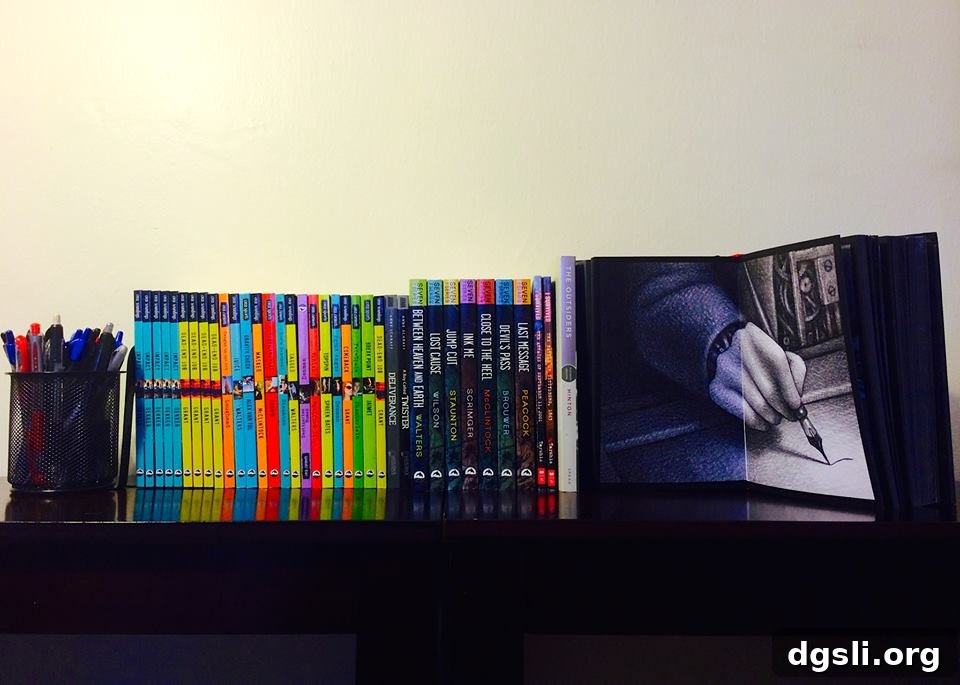
Our Relevant Reads collection was created to address this gap in the library landscape. These books pair topics and characters that resonate with teens and adults with language and structure tailored to a range of reading levels. The aim is simple: give readers books they can read and want to read, so they will actually read—and improve.
Why does this matter for learning? Authentic choice fosters ownership and perceived value, which generate engagement—the essential ingredient for durable learning. Engagement helps readers connect new information to prior knowledge and context, improving comprehension and retention. Culturally relevant texts provide familiar starting points that build confidence and curiosity, producing an “I can” and “I want to” mindset that leads to deeper reading and better outcomes.
By creating books that are both accessible and relevant, Story Shares is working to change the literacy landscape and create a positive cycle of reading growth that leaves no reader behind.
(Learn more or browse our paperback collection)
Cited:
- National High School Center, 2009: High School Literacy Facts.
- UNESCO Institute for Statistics, 2013: Adult and Youth Literacy Trends, p. 9.
- U.S. Department of Education, 2010: Status and Trends in the Education of Ethnic and Racial Groups.