
Written by: Catherine De Orio
Over the past decade, many schools have shifted classroom time toward testing-focused subjects like math and reading, and arts programs have often been first on the chopping block. Although some view art education as an optional extra, creative classes—from visual arts to culinary and performing arts—play a vital role in cognitive, social, and emotional development across all ages. Arts education fosters critical thinking, problem-solving, collaboration, discipline, and self-expression, skills that support success in school, careers, and everyday life.
Despite a growing body of research linking arts education to improved outcomes in math and science, higher college enrollment, and stronger life skills, budget pressures continue to force cuts in arts and music programs nationwide. When districts reduce offerings, administrators tend to remove subjects perceived as having less “direct” impact on test scores, and art-related programs are too often the casualties. These cuts do more than limit instructional variety: they deny students creative outlets, weaken community connections, and remove pathways to careers in creative industries.
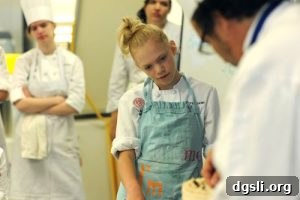
Learning and leading by example
Across American cities, limited public funding has led many districts to rely on private donors, foundations, and nonprofit organizations to restore arts programming. Nonprofits are increasingly stepping in by creating targeted initiatives or funding existing school programs. These partnerships often provide practical, hands-on experiences that reintroduce creative study into students’ lives, helping bridge opportunity gaps in under-resourced communities.
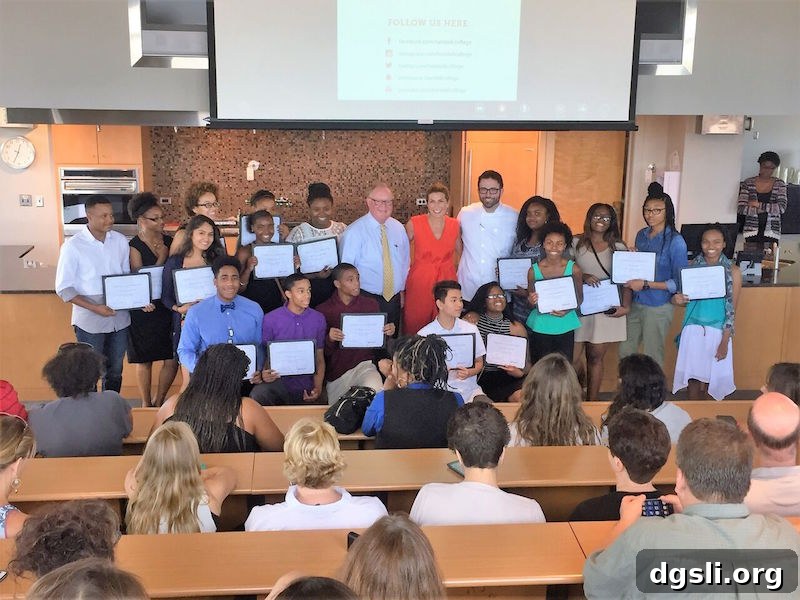
Kendall College Trust, a 501(c)(3) nonprofit that awards need-based scholarships to students pursuing hospitality, culinary arts, and business at Chicago’s Kendall College, launched a summer culinary camp to answer this need. The program is designed for underserved Chicago high school students and was developed in collaboration with Chicago Public Schools (CPS) and C-CAP (Careers Through Culinary Arts Program). The goal is simple: reintroduce the arts through culinary training, spark interest in hospitality careers, and give young people early, concrete exposure to professional opportunities.
Now in its second year, the summer culinary program has grown to serve 48 students across two sessions and two age groups. Campers stay in Kendall College dorms and gain hands-on experience in professional kitchens and classrooms. The curriculum covers fundamental cooking and baking techniques, knife skills, nutrition basics, and restaurant operations. Students also take part in behind-the-scenes experiences at local restaurants, gaining insight into the day-to-day life of culinary professionals.
Beyond technical skills, the camp emphasizes mentorship, teamwork, and career exploration. Bringing together students from similar backgrounds creates a supportive peer network that can persist after camp ends. For many participants, the experience helps clarify career goals, build confidence, and expand horizons by showing what college life and a career in the culinary or hospitality field can look like.
To broaden campers’ cultural perspective, the program includes excursions throughout Chicago. Attendees have the chance to see Broadway-style performances, dine at acclaimed restaurants, and visit iconic institutions such as Navy Pier, The Art Institute of Chicago, and community urban gardens. These outings help students connect culinary training to the wider cultural, artistic, and entrepreneurial scene in the city.
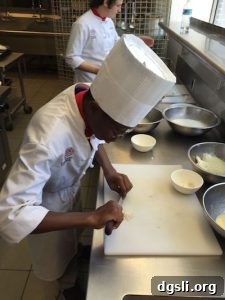
Learning by doing
What began as an idea has become an operating program through focused collaboration among a college, nonprofit partners, and public schools. The summer culinary camp demonstrates how relatively modest investments and partnerships can create meaningful arts-based learning opportunities that scale over time. Organizations of any size can make an impact by launching arts initiatives—whether in theater, music, visual arts, or culinary education. Partnering with a school or an established nonprofit is often the fastest way to get programming off the ground and to ensure sustainable growth year after year.
Every program, donation, or volunteer hour strengthens arts education and provides students with creative outlets and career pathways they might otherwise never encounter. Restoring the arts in schools is not a one-time effort; it requires ongoing commitment from educators, funders, community organizations, and local leaders. One summer at a time—and through continued partnerships—programs like the Kendall College Trust culinary camp help restore arts access, build practical skills, and inspire the next generation of creative leaders.
AUTHOR BIO

Catherine De Orio
Catherine De Orio left a successful but personally unfulfilling career in the courtroom to follow her passion in the kitchen. Now a formally trained chef and a “recovering attorney,” she combines culinary expertise and communication skills as a lifestyle expert, media spokesperson, journalist, web editor, and public speaker. Known to many Chicagoans as the host of the Emmy award-winning dining review show Check, Please!, Catherine travels the country covering food and hospitality.
As Executive Director of Kendall College Trust, Catherine raises scholarship funds for students in financial need who are pursuing culinary and hospitality education at Kendall College, and she mentors young people exploring careers in culinary arts, hospitality, and business. You can follow her work and updates on social media at @Catdeorio and @CatCalls, and learn more about Kendall College Trust and its programs through the organization’s public channels.