
Guest Article Written By: Sandra Bornstein
Multicultural Books
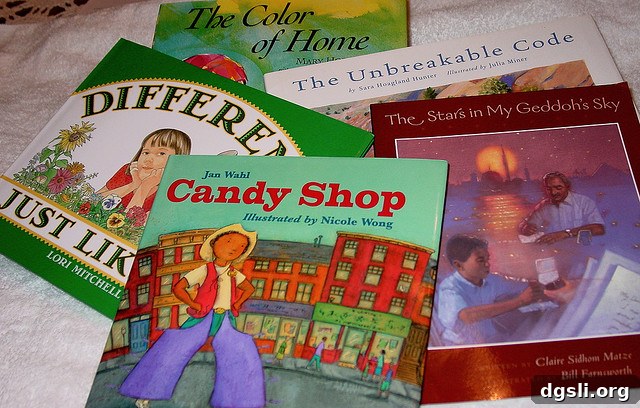
Students thrive when they see themselves reflected in the classroom and when they are exposed to the lives and perspectives of others. Well-chosen multicultural picture books give children from diverse backgrounds a chance to connect with characters who resemble their own experiences, and they open pathways for constructive conversations among students who may feel marginalized. Inclusive literature supports empathy, strengthens cultural awareness, and complements literacy goals for all learners.
The following 6 steps will successfully support diversity initiatives by adding quality multicultural books:
-
Evaluate the classroom demographics.
Begin by collecting and reviewing demographic information available from your school district or state education department. After the school year starts, supplement that data with short surveys for families and students to learn about languages spoken at home, cultural traditions, and community backgrounds. Group commonalities into categories so you can prioritize which cultural perspectives, languages, and identities should be represented through books and classroom resources.
-
Determine specific goals for read-alouds.
Define what you want each read-aloud to accomplish. Goals might address cultural representation, vocabulary building, narrative structure, social-emotional learning, or cross-cultural connections. Consider the varied interests and ability levels in your classroom: some books will support emerging readers and multilingual learners, while others will deepen critical thinking for older or advanced students. Create a chart that pairs these instructional goals with target groups and standards to keep planning focused and measurable.
-
Locate books that support targeted areas.
Use your personal collection, school and public libraries, and recommendations from children’s librarians or trusted educators to compile candidate titles. Search for books that authentically reflect the cultures, languages, and family structures present in your school community. Include a variety of formats—picture books, bilingual editions, folktale retellings, and nonfiction—that can be used for different instructional purposes and learning styles.
-
Review books for authenticity and quality.
Carefully read each book before bringing it to students. Ask whether characters and settings feel culturally accurate and respectful, and whether the illustrations reinforce positive, nuanced portrayals rather than stereotypes. Look for books that present characters with agency and positive self-image, and that include universal themes students can discuss together. Note how each title aligns with literacy standards and the goals on your planning chart; add only those that meet your expectations for authenticity and instructional fit.
-
Plan each unit of study.
Design discussion prompts, activities, and assessment tasks that connect to your goals for each title. Include scaffolds for multilingual learners and supports for reluctant readers, such as picture-based retell prompts, choral reading, and vocabulary previews. Use culturally responsive strategies—invite family storytelling, pair students for peer interviews, or create projects that allow students to share their own traditions. When possible, link units so themes build across the school year and deepen students’ understanding of diversity and common human experiences.
-
Evaluate and refine.
After each unit, reflect on what worked and what didn’t. Collect feedback from students and families about how the books and activities resonated with their experiences. Assess student engagement and learning outcomes against your stated goals. Use these insights to revise your book list, tweak lesson plans, and choose follow-up texts that continue to broaden perspectives while supporting literacy growth.
Beyond these steps, consider building a classroom display or a rotating “multicultural bookshelf” so students can browse titles independently. Invite community members, family readers, or cultural experts to lead read-alouds or share artifacts that enrich the texts. Keep a living list of books you’ve vetted and update it regularly—new titles are published every year, and ongoing review keeps your collection current and relevant.
When selecting multicultural picture books, balance representation across racial and ethnic identities, languages, family structures, and abilities. Prioritize books written or illustrated by creators from the cultures they represent whenever possible; those authentic voices often provide nuance that outside perspectives miss. Finally, frame discussions around curiosity and respect: encourage students to ask questions, make connections, and reflect on multiple viewpoints.

Sandra Bornstein is an international educator and writer who has taught K–12 students both in the United States and abroad, and has taught college courses at the University of Colorado and Front Range Community College. She holds two master’s degrees—one in education (instruction and curriculum) from the University of Colorado-Boulder and another in Jewish Studies from Spertus College in Chicago—and is a licensed Colorado teacher with a K–12 Linguistically Diverse Education endorsement.
In 2010, an international move led her to live and teach in India, where she combined her passions for travel, writing, and education. Her experiences abroad informed a memoir she has written about that period of her life.
Photo Credits: amerisomos (Flickr)