
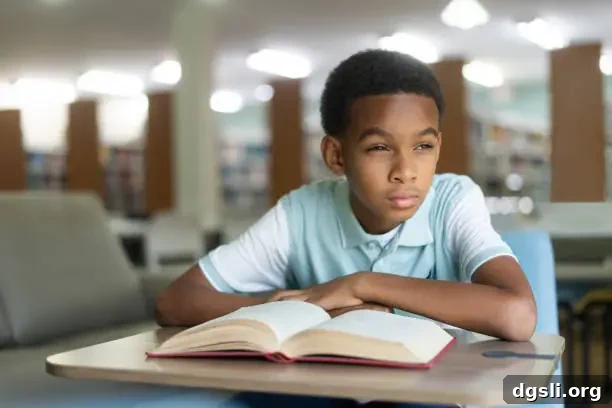
Vision is one of the most important senses for learning: roughly 80% of the information the brain receives comes through visual pathways. When a child’s eyesight is not functioning at its best, it can affect their ability to follow lessons, read classroom materials, interact with teachers and peers, and take part in activities that support social and academic development. New learning technologies and increased screen time can also change how eyes develop and perform, making it even more important to monitor and support children’s eye health.
Children do not always realize or report that they are having trouble seeing. They may appear distracted, avoid reading, complain of headaches, or struggle with coordination, and these signs can be mistaken for behavioral or learning issues. Regular attention to vision and straightforward interventions can help ensure a child keeps up with schoolwork and gains confidence in the classroom.
Get a comprehensive eye exam
A professional eye exam is the first step in understanding a child’s vision and eye health. Eye tests can reveal refractive errors such as nearsightedness, farsightedness, and astigmatism, as well as other conditions that affect visual development. Early detection is important: children can be examined as early as age three to five, and many eye care professionals recommend an exam before school starts so problems are addressed before they interfere with learning.
Annual exams are a practical way to track changes and make timely adjustments to prescriptions or treatment plans. If your child has difficulty focusing, frequently rubs their eyes, squints, or avoids close work, schedule an exam and share observations from home and school with the eye care provider. Clear, comfortable vision supports classroom participation, reading fluency, and confidence.
Choose the right eyewear
When a child needs vision correction, selecting appropriate eyewear helps them wear it consistently and comfortably. Glasses are the most common solution and can be tailored for durability and fit: look for lightweight frames, flexible hinges, and lenses with scratch-resistant coatings. Letting a child choose frames—with guidance on fit and safety—boosts acceptance and makes them more likely to keep glasses on at school and during activities.
For active children, consider impact-resistant lenses and frames designed for sports, or explore contact lenses if the child can reliably manage lens hygiene and care. Teach routines for cleaning and storing contacts and supervise early use. Whichever option you choose, make sure the eyewear addresses the child’s specific visual needs and lifestyle so vision is not a barrier to learning or play.
Manage screen time and encourage visual breaks
Screens are a central part of both learning and leisure for many children, but prolonged focus on near screens can contribute to eye strain and may be associated with an increased risk of myopia (nearsightedness). Manage device use by setting reasonable daily limits, scheduling screen-free periods, and encouraging a variety of activities that give the eyes a break from close work.
Simple, practical strategies help reduce visual fatigue: encourage the 20-20-20 rule (every 20 minutes, look at something at least 20 feet away for 20 seconds), dim harsh glare with proper lighting, and adjust font sizes or screen settings for comfortable viewing. Use educational digital content thoughtfully—choose high-quality programs and balance them with hands-on, outdoor, and social activities.
Promote outdoor time and healthy habits
Regular outdoor play gives children opportunities to focus on objects at a distance and helps reduce continuous near-work demands on the eyes. Time spent outside, along with frequent breaks from close-up tasks, is a simple preventive measure that supports visual development. Encourage active play, sports, and family outings that include time away from screens.
In addition to activity habits, general health supports eye health: a balanced diet, proper sleep, and good hydration contribute to overall well-being. Protect eyes during sports with appropriate eyewear, and maintain a calm routine for screen use and study time so children learn healthy visual habits early.
Work with teachers and eye care professionals
Communicate with your child’s teacher about any vision concerns and any accommodations that might help, such as preferred seating, larger print materials, or extra time for reading tasks. Share recommendations from eye care professionals and follow up on prescribed corrections or therapies. Collaboration between parents, educators, and clinicians ensures consistent support at home and at school.
By prioritizing regular eye exams, choosing suitable eyewear, managing screen time, encouraging outdoor activity, and collaborating with school staff, you can help your child maintain healthy vision and give them the best possible environment for learning and growth.