
Engaging Adult ESL Learners with Current Events and Classroom Games
Written by: Mac-Z Zurawski
At the Aquinas Literacy Center, teaching a small, nonprofit adult ESL “current events” class presents familiar challenges: long workdays, family responsibilities, unreliable transportation, and the fatigue that comes with them. Many students arrive after ten-hour shifts, worried about their children or anxious about missed obligations. Still, they come because the classroom offers more than lectures—it provides a practical, respectful, and motivating learning experience designed around adult learners’ needs.
My approach is grounded in andragogy: teaching strategies tailored for adults that recognize their life experience, preferences, and goals. I combine short, focused media, guided discussion, and interactive activities to keep attention strong and learning relevant. The room might be as hot as a warehouse or as cold as a fridge, but what keeps students in their seats is a class that respects their time and delivers meaningful engagement.
Each session begins with brief video clips—three minutes or less—covering the major news stories of the week. Short clips help prevent the “zone out” that comes from long broadcasts, and they introduce students to reliable news sites and online navigation. Watching together accomplishes two goals: it builds digital literacy and creates a common reference point for discussion. After each clip, we ask simple, practical questions: Who heard about this? What does this mean for you or your community? Why did this story matter this week?
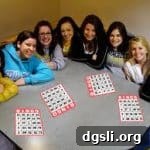
Adult students bring opinions shaped by work, family, and life experience, and these perspectives create lively, relevant conversations. To sustain attention and encourage participation, I alternate formats roughly every 20–30 minutes. If a long discussion risks becoming stagnant, we switch to an activity that reenergizes the group. Classroom games such as customized Bingo or a Jeopardy-style quiz are powerful tools—students enjoy competing for small prizes, they laugh together, and social bonds strengthen. Game formats can be adapted easily: online card generators allow customization of topics instead of numbers, and simple teacher-created quiz boards let learners practice vocabulary, comprehension, and critical thinking.
After the game, we transition to a short wrap-up segment. I occasionally use a five-minute mini-lecture to revisit the main news items and to clarify vocabulary, idioms, or cultural references that caused confusion. The wrap-up also provides time for students to ask final questions and to connect what they learned to their everyday lives. This rhythm—media, discussion, activity, and synthesis—creates a blended learning environment that is truly blended teaching: multiple methods woven together to meet diverse learner needs.
Using the web in the classroom is not a gimmick; it is a necessity in twenty-first-century learning. Any web resource can be part of blended learning if chosen with purpose. The key is to introduce students to manageable tasks on the internet while keeping the learning goals clear. Whether the aim is building listening skills, expanding vocabulary, practicing public speaking, or developing civic awareness, online content provides rich, up-to-date material that adults find meaningful.
In short, this classroom model respects the realities of adult learners. It prioritizes relevance, flexibility, and interaction. Students leave with improved language skills, increased confidence in using web-based resources, and a sense of accomplishment after a tiring day. They return not for rewards alone but because the class connects to their lives, builds community, and offers practical tools for navigating news and civic life.
About the Instructor
Mac-Z Zurawski is an instructor and community educator in Chicago specializing in adult education. She teaches a Current Events ESL class at the Aquinas Literacy Center and tutors adults preparing for the GED and U.S. citizenship through Chicago Cares. Her teaching blends andragogy and technology to create active, learner-centered classrooms.
Mac-Z’s commitment to education grew from personal experience supporting her young son through a severe speech impairment and the resulting learning delays. That experience shaped her belief that adults facing educational barriers deserve supportive, practical, and empathetic instruction. She serves on the Midwest Sociological Society’s Committee on Women in the Profession and helps develop workshops on networking and mentoring for new scholars. As a member of the Working Women’s History Project, she promotes awareness of women’s history and educational outreach.
Her academic background includes studies in political science, social justice, women and gender studies, sociology, and criminal justice. She is actively pursuing opportunities in higher education and community-based instruction. For more information or to connect, she can be reached by email at [email protected].