

Op-Ed, By: Dr. Charles Miller, Professor at the University of Minnesota, Cofounder and Chief Design Officer of Vidku, and Cofounder of Flipgrid
As a new school year begins, educators face the ongoing challenge of engaging a fresh cohort of learners. Each classroom brings a unique mix of backgrounds, abilities, and learning preferences, and designing instruction that meets those diverse needs is one of the most important tasks teachers face.
Students learn in different ways: some respond strongly to visual or auditory material, while others learn best through hands-on, kinetic activities. When instructors can draw on a variety of approaches—visual, auditory, reading/writing, and kinesthetic—they have a better chance of reaching every learner. Providing teachers with the right tools and strategies increases the likelihood that all students will be active participants in their education rather than passive recipients.
Traditional, passive methods like lectures or showing videos are useful for introducing new concepts. However, active learning techniques—where students solve problems, discuss ideas, create artifacts, or teach peers—help learners deepen understanding and retain information longer. Research and widely cited frameworks such as the Learning Pyramid indicate that participatory methods can significantly improve retention compared with passive approaches. This makes a strong case for integrating technologies and practices that support interactive, student-centered learning.
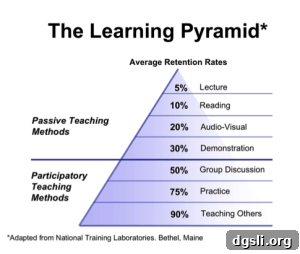 To bring active learning into everyday practice, schools should equip teachers with technologies that encourage collaboration, creativity, and meaningful interaction. When technology enables every student to contribute—whether in person, in a blended classroom, or online—it helps close participation gaps and empowers diverse voices.
Interactive edtech can make classroom collaboration scalable and routine. The right tools create space for students to share ideas, reflect, and iterate on their learning. They can support formative assessment, peer feedback, and project-based learning, all of which reinforce higher-order thinking skills such as analysis, evaluation, and problem solving.
Checklist: Vetting EdTech for Active Learning
Use the following questions to evaluate whether a digital tool or platform will foster active learning and meaningful engagement in your classrooms. These criteria help decision-makers select solutions that align with instructional goals and support teachers in delivering quality learning experiences.
- Does the technology encourage critical thinking and problem solving by supporting challenge-based or inquiry-driven tasks?
- Can it accommodate a variety of learning styles so teachers can meet students where they are?
- Does it bridge participation gaps and promote peer-to-peer collaboration, enabling students to share diverse perspectives?
- Does it extend learning beyond the classroom, supporting exploration, research, and application in real-world contexts?
- Is the interface intuitive for both instructors and students, minimizing the time needed to learn the tool so instruction remains the focus?
- Does it provide ways to track student progress, engagement, and achievement so educators can make timely instructional adjustments?
- Are there straightforward ways for students to give feedback on the course structure or their own learning progress, fostering a responsive classroom environment?
When evaluating solutions, consider how the tool integrates with existing workflows and whether it supports formative assessment practices—quick checks for understanding, peer review, or short reflective tasks. Tools that make student thinking visible allow teachers to tailor instruction more precisely and intervene earlier when learners struggle.
Equally important is professional learning. Even the best technology will fall short if educators are not supported in designing activities that leverage it effectively. Ongoing training, collaborative planning time, and opportunities to share successful strategies help teachers turn tools into sustained instructional improvements.
In classrooms from elementary through higher education, combining thoughtful pedagogy with carefully selected technology can enhance student motivation and deepen learning. When educators structure lessons around interaction, reflection, and application, and when they use platforms that amplify student voice and collaboration, they set the stage for a stronger school year.
Providing the right mix of tools, training, and instructional design empowers teachers to create environments where students are not only receivers of information but active creators of knowledge. That shift—toward engagement, participation, and continuous feedback—helps students build the skills they need to succeed academically and to become lifelong learners.