

By Tamara Fyke
For more than a decade I have championed the thoughtful integration of social-emotional learning (SEL) with screen-based tools in schools. I never imagined that we would reach 2020 and face a moment when families must choose between in-person and online instruction because of a global pandemic. Now that this reality is here, I am continually listening, researching, learning, and re-evaluating how we support students, educators, and families.
The central question I keep returning to is simple but urgent: what lessons from this experience can make education stronger, more equitable, and more humane?
With those shifts in mind, here are practical social-emotional and technology priorities educators, families, and children need as we continue to navigate remote, hybrid, and in-person learning.
Educators
I speak regularly with teachers, counselors, social workers, principals, and district leaders. Consistently I hear the same thing: you are working harder than ever. Many of you are managing remote instruction from home while shouldering lesson planning, troubleshooting technology, maintaining classroom culture, and supporting students’ emotional needs. That workload is exhausting.
What educators need now are practical supports: reliable professional development on using digital platforms effectively and on integrating SEL into virtual lessons; clear, realistic expectations from administrators; time for planning and collaboration; and access to mental health resources for both staff and students. Schools must protect teachers’ planning time and respect boundaries between work and personal life so educators can sustain their energy and passion for the long term.
Thank you to every educator who has stayed up late troubleshooting, found creative ways to engage students through a screen, and persisted with patience and care. Your dedication inspires us all.
Families
One clear truth of this moment is that education truly involves the whole family. With millions of students learning at home, parents, grandparents, and extended family members have taken on responsibilities that schools normally carry. Many households have adapted with creativity—bringing learning outside, turning everyday life into hands-on lessons, prioritizing arts and movement, or coordinating with community programs to provide safe spaces for children while caregivers work.
For families balancing work, childcare, and instruction, practical supports make a big difference: clear communication from schools about expectations and schedules, access to devices and reliable internet, and resources for supporting children’s emotional well-being. Community partners and local organizations have stepped up in remarkable ways to provide care and enrichment. Your flexibility and determination matter—and they are building the foundation for children’s success.
Children
Children have shown remarkable resilience. Many adapted quickly when traditional school, sports, and extracurriculars disappeared last spring; now they are adjusting again to hybrid routines and new classroom norms. These transitions can be confusing and emotional, and that’s normal. Kids will be loud, anxious, bored, and brave—often all at once.
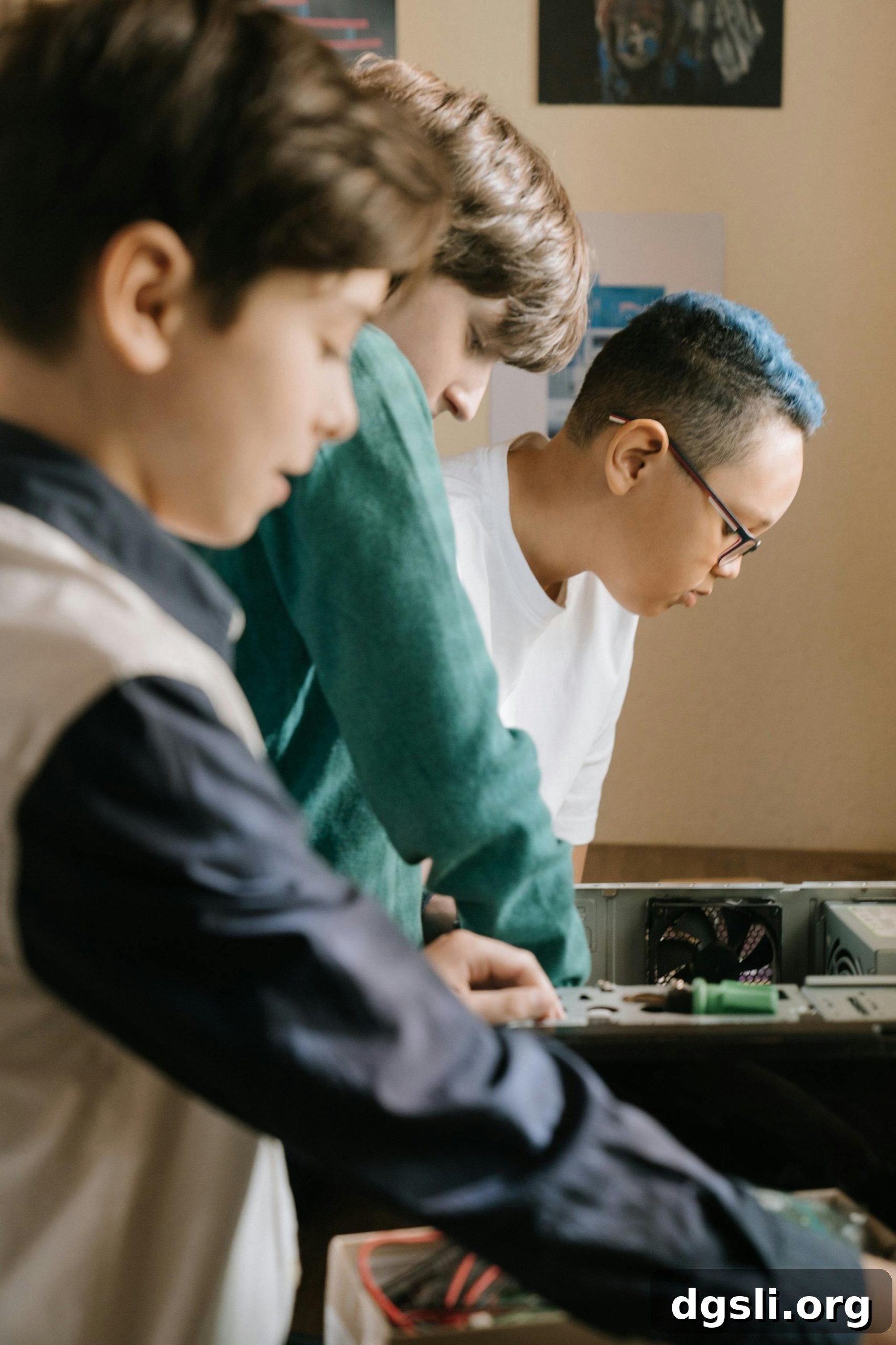
What children need from adults are clear routines, emotional support, chances to connect with peers, and opportunities for hands-on learning and movement. Reinforcing social-emotional skills—such as self-regulation, empathy, and problem-solving—helps students manage uncertainty and builds long-term resilience.
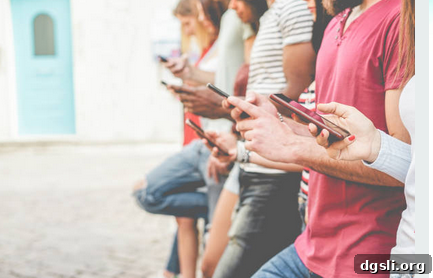
We also need to protect children’s right to unplug. Extended screen time is taxing for bodies and minds. Encourage outdoor play, walks, meaningful conversations, reading, drawing, and active pursuits that restore balance. Technology will be there when it’s time to return—what matters now is that children have space to breathe, play, and grow.
All of us—teachers, parents, caregivers, and students—benefit when we intentionally carve out time away from screens. Movement, creative expression, and unstructured play support mental health and improve attention when learners return to online or in-person tasks.
There is a positive side to this disruption. Technology has made it possible for education and work to be woven into daily life rather than rigid blocks of time. Embracing flexible, asynchronous approaches can free teachers and families to experiment, personalize learning, and spark innovation. That mindset aligns closely with entrepreneurship: it rewards creativity, persistence, and the willingness to try new approaches.
As Theodore Roosevelt wrote, “It is not the critic who counts… The credit belongs to the man who is actually in the arena, whose face is marred by dust and sweat and blood; who strives valiantly… who spends himself in a worthy cause; who at the best knows in the end the triumph of high achievement, and who at the worst, if he fails, at least fails while daring greatly.” Those words remind us to honor effort over perfection and to support one another as we try, adapt, and learn.
Let us continue to dare greatly and to work together—educators, families, and students—to build an education system that is compassionate, flexible, and forward-looking.
About the author
Tamara Fyke is an educator and social entrepreneur focused on children, families, and urban communities. She created and authored Love In A Big World, a resource offering mental health, SEL, and wellness curriculum and content. During quarantine, Tamara launched MusiCity Kids, an online educational series for children ages 6–12 that explores health, movement, character development, STEAM, and more.
This article was originally published by The Learning Counsel, a research institute and news media hub focused on the shift in education toward digital curriculum and practices.