
The strength of the Dynamic Science curriculum comes from close collaboration with science authors and editors across Texas. To introduce the people behind our materials, we created the Meet the Authors series so educators and districts can learn more about the teams who developed content specifically for Texas learners.
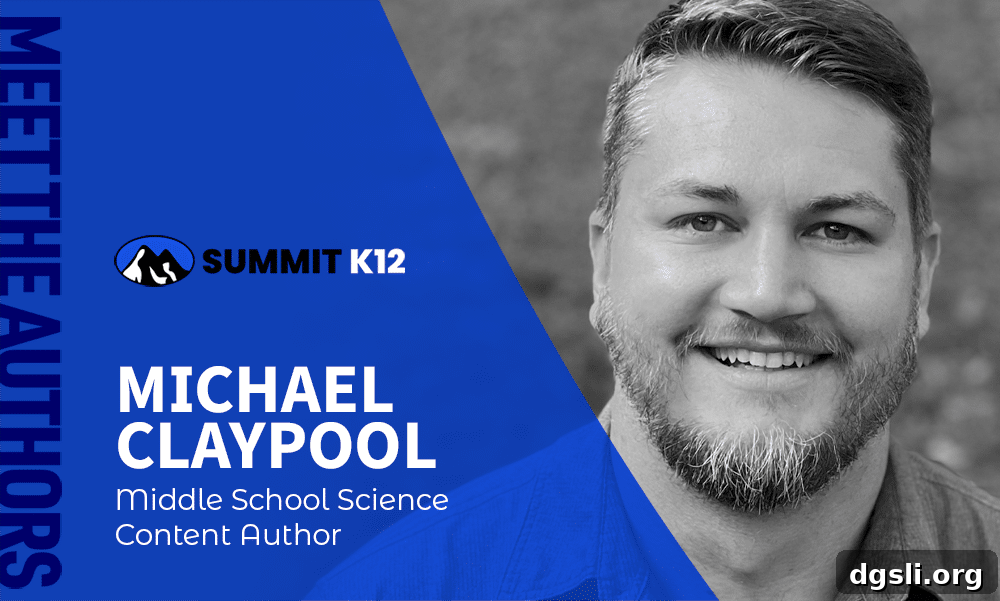
Our third interview features Michael Claypool. Michael is an innovative science educator with nearly a decade of classroom experience. Below is an edited conversation between Robyn Shulman and Michael Claypool highlighting his background, approach to curriculum design, and practical guidance for teachers using SummitK12’s Dynamic Science program.
Robyn Shulman: Michael, can you share a bit about your background?
Michael Claypool: I am an innovative science educator with close to ten years of classroom experience. Over that time I’ve focused on making science instruction meaningful by connecting content to real-world questions and by encouraging students to use evidence-based reasoning.
Shulman: How would you describe your expertise in education?
Claypool: My expertise centers on developing narrative-driven science content that promotes knowledge acquisition, critical thinking, and learner agency. As a science author at SummitK12, I draw on classroom practice to design materials that are engaging, rigorous, and accessible for diverse learners.
Shulman: What part of the 2024 Texas State Science Adoption did you create?
Claypool: I contributed to Summit’s Middle School Science team, working on the Dynamic Science Curriculum for 6th, 7th, and 8th grade. That work focused on aligning lessons to TEKS, supporting skill development, and designing assessments and instructional scaffolds for teachers.
TEKS Video Lesson Highlights
We developed short TEKS-aligned lesson highlights and demonstrations to show how specific lessons unfold in the classroom. These videos illustrate how narrative-driven units, hands-on investigations, and discussion-driven activities work together to build student understanding over time.
Shulman: What was your favorite part about creating the Dynamic Science Curriculum?
Claypool: My favorite part was collaborating with a team of thoughtful, experienced educators. Each team member brought creativity, classroom-tested strategies, and a passion for student learning. That collective expertise shaped units that are engaging, standards-aligned, and designed to develop both content knowledge and scientific thinking skills.
Shulman: What advice would you give to teachers who use SummitK12’s new Dynamic Science program?
Image by Summit K12©
Claypool: The Dynamic Science Curriculum offers a variety of tools and instructional options in each lesson guide. My recommendation is to review each lesson guide in advance and select the components that best match your teaching style and meet your students’ needs. Use the narrative structures to frame inquiry, lean on the embedded formative checks to monitor understanding, and adapt pacing and supports where necessary. Above all, let the materials serve your instructional goals rather than dictating every move—use what works for your classroom and adjust the rest.
Shulman: Thank you so much for sharing your perspective. We look forward to more interviews that highlight the people behind our curriculum.
If you’re interested in learning more about the Dynamic Science team and the resources available to support Texas learners, request a demo of the program or explore our program materials and teacher supports. The curriculum is designed to help middle school teachers implement TEKS-aligned, student-centered instruction that emphasizes inquiry, evidence-based reasoning, and measurable learning gains.
For additional information about the team and the full range of supports—such as lesson guides, formative assessments, and professional learning—please consult your SummitK12 representative or request a program demonstration.