
EduJedi Report Podcast: How Gwinnett County Built a Resilient, Equitable Learning Ecosystem
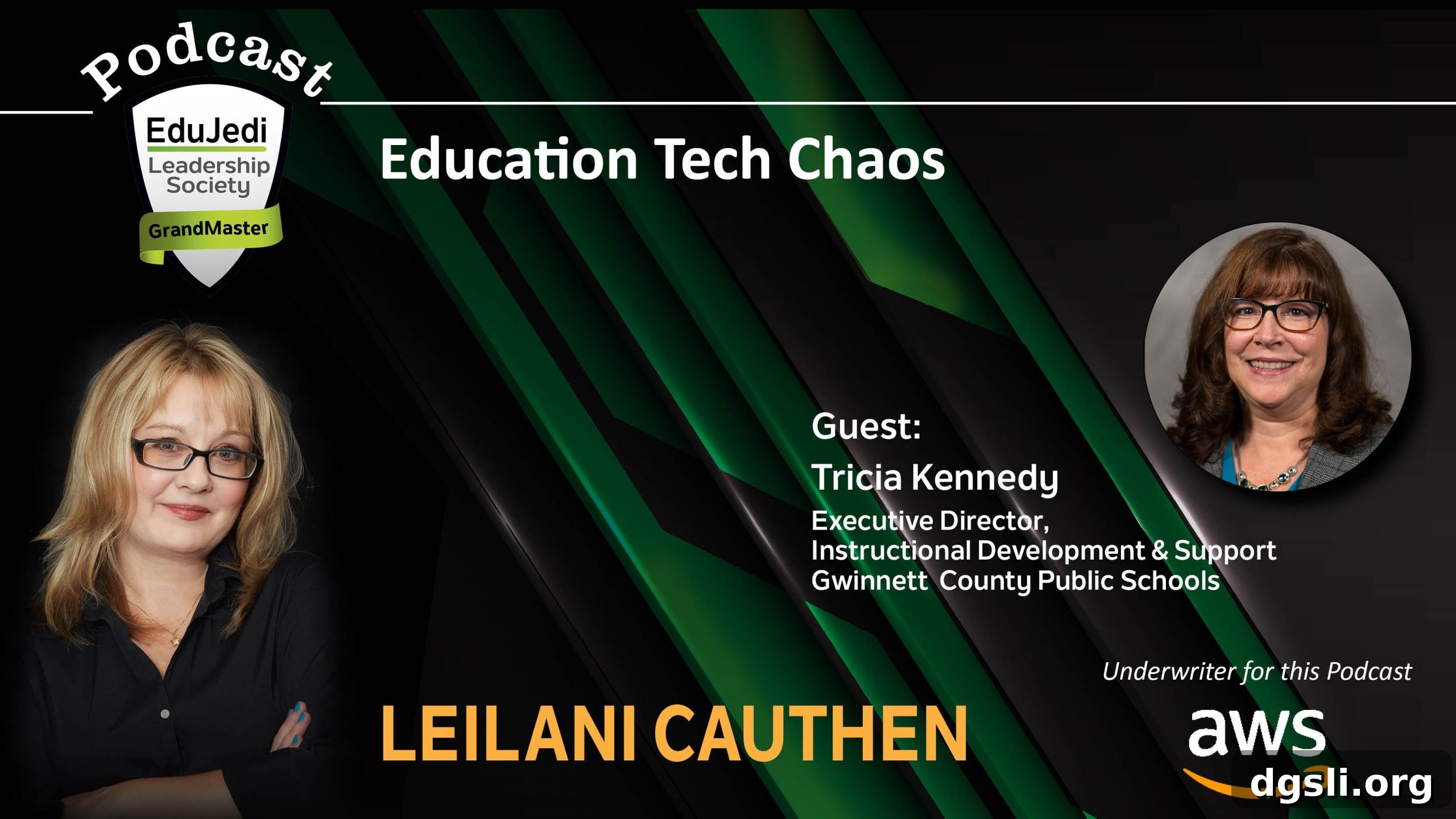
In this episode of the EduJedi Report Podcast, host and Learning Counsel CEO LeiLani Cauthen speaks with Tricia Kennedy, Executive Director of Instructional Development and Support for Gwinnett County Public Schools in Atlanta. Kennedy explains how years of intentional planning and investment allowed Gwinnett — a district serving roughly 180,000 students — to transition into the pandemic with remarkably little disruption. While many districts scrambled to respond in March 2020, Gwinnett’s advanced preparation for a fully integrated learning ecosystem helped reduce chaos and kept instruction more consistent for students and teachers.
Kennedy describes a layered approach to readiness that combined reliable infrastructure, strong instructional support, and practical systems for equity. By designing processes that handle spikes in demand and by preparing staff and educators through ongoing professional development, the district was positioned to move into remote and hybrid learning without sacrificing core instructional goals. That deliberate approach made a difference when schools had to shift rapidly: rather than patching together ad hoc solutions, Gwinnett relied on an established ecosystem that prioritized continuity of learning.
Technology played a central role in ensuring equitable access. The district leverages cloud services such as Amazon Web Services to monitor traffic, manage system load, and respond to downtime in real time. Those tools help administrators maintain reliable connections for instructional platforms, reduce bottlenecks during peak usage, and provide the data needed to make timely operational decisions. Kennedy emphasizes that technology choices were always made with accessibility, scalability, and fairness in mind — ensuring that every student has the best possible chance to participate regardless of circumstance.
Beyond infrastructure, Gwinnett invested in instructional development and support structures that would allow teachers to adapt their practice under changing conditions. Coaching, curriculum alignment, and clear expectations for remote and blended learning environments enabled educators to focus on teaching rather than troubleshooting systems. Communication with families and communities was also critical: transparent guidance, consistent messaging, and accessible resources helped maintain trust and engagement during uncertain times.
This episode offers practical insights for district leaders, technology directors, and instructional teams who are planning for resilience. Kennedy’s account highlights how long-term vision, operational readiness, and a commitment to equity create a foundation that reduces disruption when unexpected events occur. Her experience underscores that effective emergency response is less about quick fixes and more about the steady work done before a crisis: building partnerships, establishing monitoring systems, training staff, and designing processes that scale.
For educational leaders looking to strengthen their districts, the Gwinnett story illustrates several practical priorities: build a reliable and scalable infrastructure, invest in professional learning for educators, develop clear communication plans for families, and prioritize platforms and practices that support equitable access. These elements together produce a resilient learning ecosystem capable of sustaining instruction through disruption.
Listen to the podcast
Hear the full conversation between LeiLani Cauthen and Tricia Kennedy on the EduJedi Report Podcast to learn more about Gwinnett County’s approach, the specific strategies they prioritized, and the lessons other districts can apply as they build their own resilient learning ecosystems.