
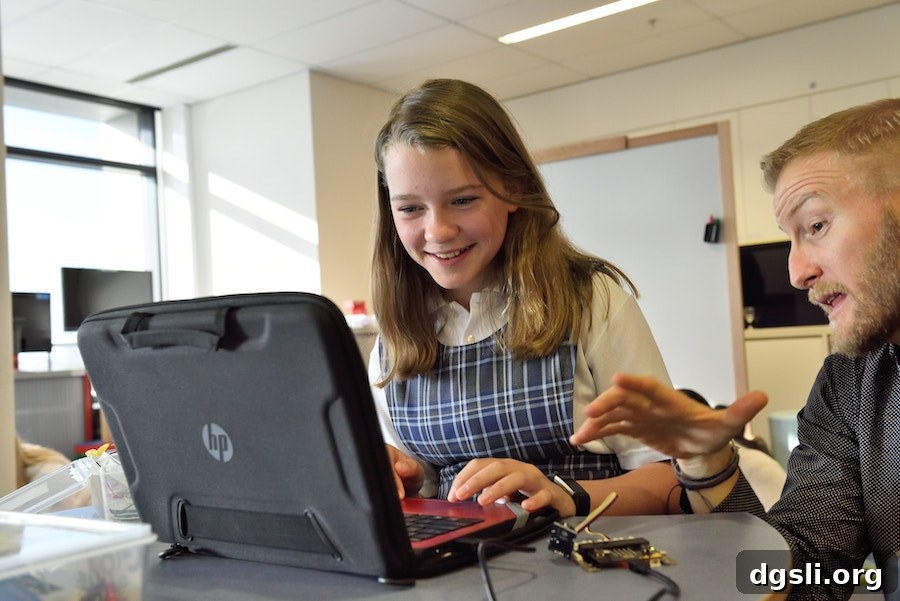
Healthy relationships in the classroom are built on trust, respect, compassion, and clear communication. When teachers intentionally cultivate positive connections with their students, learning becomes more effective and classrooms feel safer and more productive. The following guidance outlines practical strategies to strengthen teacher-student relationships while maintaining professional boundaries and promoting student growth.
Create Boundaries
Boundaries are essential for any healthy relationship and are especially important between teachers and students. Clear boundaries help protect teachers’ personal time and establish predictable, professional patterns of interaction that support learning. Communicate to students how and when they may contact you outside class—preferably through official school channels such as a school email account or a designated learning management system. Avoid sharing personal phone numbers or other private contact methods that invite messages at any hour. Setting these limits prevents overreach, preserves work–life balance, and reduces the risk of inappropriate or confusing dynamics. It also models healthy professional behavior for students.
Show Genuine Interest in Students
Taking a sincere interest in each student helps build trust and engagement. When teachers learn about students’ backgrounds, interests, and learning preferences, they can tailor instruction and interactions to be more relevant and motivating. Use classroom activities that invite students to share aspects of themselves—such as short personal reflections, surveys about hobbies and goals, or collaborative projects that highlight individual strengths. Ask open-ended questions and listen actively; a simple “Tell me more about that” or “What helped you with that task?” signals that you see students as whole persons rather than just learners. Demonstrating curiosity and care encourages students to participate, ask questions, and take intellectual risks.
Don’t Take Behavior Personally
Students sometimes act out, shut down, or test limits—not because of you personally but because they are struggling, seeking attention, or responding to external stressors. When you can separate your sense of self from a student’s behavior, you are better able to respond calmly, fairly, and constructively. Make classroom expectations and consequences clear from the start, and apply them consistently. When misbehavior occurs, follow the agreed-upon procedures rather than reacting emotionally. Often a student’s challenging behavior is a sign that they feel safe enough to express difficult emotions in your presence; responding with steady guidance and empathy helps repair the relationship and keeps the classroom learning-focused.
Communicate Clearly and Consistently
Effective communication strengthens trust and reduces confusion. Outline routines, deadlines, and grading policies at the beginning of the term and revisit them as needed. Provide predictable ways for students to ask questions—such as office hours, a weekly Q&A forum, or a clearly defined response window for messages—and stick to those commitments. When giving feedback, be specific, balanced, and actionable so students understand how to improve. Practicing transparent communication builds reliability, which is a cornerstone of respectful relationships.
Foster a Culture of Respect and Inclusion
Respect and inclusion are central to a positive classroom climate. Set norms that encourage respectful exchange of ideas, active listening, and support for diverse perspectives. Use equitable practices that give all students opportunities to participate and to be heard. When students feel respected and included, they are more likely to trust the teacher and engage deeply with learning tasks.
Use Empathy and Boundaries Together
Empathy—understanding students’ feelings and viewpoints—paired with clear professional boundaries creates a safe learning environment. Validate students’ emotions while maintaining the structures that promote learning. For example, acknowledge a student’s frustration and then guide them toward constructive next steps. This approach helps students feel understood without sacrificing the order and fairness necessary for an effective classroom.
Relationships between teachers and students are a powerful factor in academic success and social development. By setting boundaries, showing authentic interest, handling behavior without taking it personally, communicating consistently, and fostering respect, teachers can create a classroom where students feel supported and motivated to learn. Thoughtful relationship-building benefits both teachers and students and lays the groundwork for meaningful, long-lasting educational growth.