
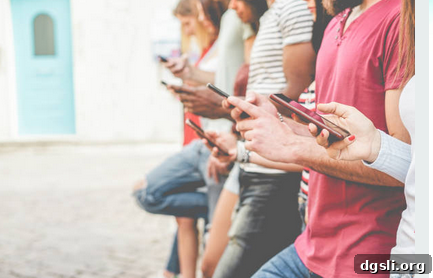
Many educators and parents ask: are today’s classrooms becoming too dependent on technology? This question touches on complex political and economic concerns, including funding sources, equipment choices, and whether additional technology is truly necessary in schools.
Critics argue that classrooms already contain significant nonhuman influence, particularly in early grades, and that the growing presence of devices alters how children learn and interact. Addressing these concerns requires a thoughtful, comprehensive approach that balances technological opportunity with pedagogical and developmental needs.
Current State of the Classroom
Some classroom technologies have been in schools for decades—projectors and televisions remain common tools, but teachers repurpose them in new ways. Projectors enlarge a laptop screen so every student in a room can view the same content, while television broadcasts still deliver lessons across a range of subjects. More recently, videoconferencing moved out of the boardroom and into everyday instruction, enabling real-time interaction between classes, experts, and remote learners.
Other familiar devices include laptops, handheld devices and tablets, electronic whiteboards, advanced word-processing and learning applications, 3-D printers, and virtual field trips. These tools can expand how students access information and practice skills, but questions remain about whether the variety and volume of technology always serve learning objectives.
Traditional classroom practices—where a teacher presents material to a group, students take notes, and discussion follows—remain effective and common. Technology can enhance that model, but it should not automatically replace the human-centered elements that support comprehension, critical thinking, and social development.
Potential Physical Problems for Children
Concerns about physical health are central to debates over classroom tech. Extended screen time can strain the eyes; children may be especially vulnerable as their vision develops. Excessive sitting and inactivity are another major worry. Organizations such as Athletico Physical Therapy have noted that prolonged sedentary behavior can contribute to musculoskeletal pain and other physical issues. As classrooms rely more on screens and stationary devices, educators must consider how to integrate movement and ergonomic practices into the school day.
Decrease in Attention Span
Modern classrooms can present students with multiple simultaneous streams of audio and visual information—screens, keyboards, notifications, video conferences, and various input devices. This constant bombardment of stimuli can fragment attention. Some educators and researchers express concern that heavy multitasking with digital tools may shorten students’ ability to concentrate deeply on one task for an extended period. Effective technology use should therefore prioritize focus-enhancing practices and clear instructional design over mere novelty.
Lack of a Human “Filter”
Teachers act as interpreters and guides who translate information into meaningful learning experiences. When technology becomes the primary source of instruction without sufficient human mediation, students lose an important “filter” that helps them evaluate, contextualize, and apply knowledge. Human interaction—teacher explanations, feedback, and peer discussion—remains essential for developing judgment, empathy, and higher-order thinking.
Creates Disadvantages in Rural and Low-Income Communities
As educational systems expand their expectations for in-class technology, rural and underfunded districts often struggle to keep up. Standardizing curricula around devices and online platforms can unintentionally widen equity gaps: schools without reliable funding or infrastructure fall behind, and students miss exposure to tools that are becoming common elsewhere. Addressing these disparities requires targeted investment, realistic implementation timelines, and policies that consider local capacity.
Poor Socialization Skills
Social psychologists warn that when children’s primary interactions occur through screens rather than face-to-face, their opportunities to practice reading social cues, negotiating conflict, and building empathy can decline. Many children already spend considerable free time online; adding more solitary, device-based learning in school can reduce balanced, in-person social experiences unless educators deliberately build collaborative, interpersonal activities into lessons.
What’s the Solution?
Over the past two decades, policymakers at national and state levels have proposed a variety of approaches to classroom technology—some more effective than others. Schools and districts need to rethink how they measure success, moving beyond strict standardization toward models that recognize individual students’ strengths and weaknesses and that use data thoughtfully to personalize learning. Leaders in the field have suggested that technology, when used strategically, can support that personalization by collecting and analyzing student performance data. However, technology should be a tool for teachers, not a replacement for them.
Practical priorities include robust teacher training, reliable funding for devices and infrastructure, and resources to support individualized learning. Without investments in professional development and equitable distribution of equipment, new technologies risk reinforcing existing inequalities or becoming underused gadgets in classrooms.
Ultimately, the goal is balance: integrate digital tools that demonstrably support learning, protect students’ physical and social development, and maintain the central role of skilled educators who can guide, filter, and humanize the educational experience.