
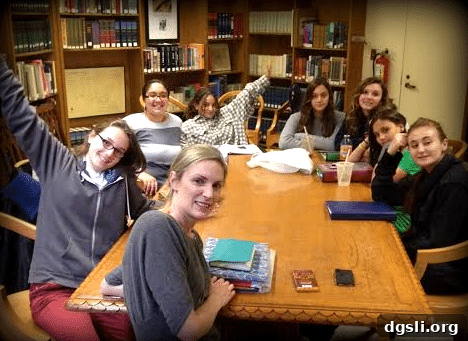
Imagine a classroom where an educator works closely with inner-city teen girls, where no topic is off-limits, and where young women are encouraged to explore and write about issues that matter to them. Picture a teacher who listens deeply, mentors, challenges, and cares—someone who combines classroom experience with global perspectives to illustrate ideas. For many girls who live and suffer in silence, that kind of education can be transformative.
That is the mission of New York City–based educator Melissa Banigan and her work with The Advice Project. This initiative offers writing, media, and empowerment workshops designed to give teen girls and women the knowledge, tools, and audience to speak up, craft solutions, and share their stories.
About The Advice Project
The Advice Project provides free, donation-based workshops and classes in New York City that focus on media literacy, writing, and leadership for teens and young women. The program addresses a core problem: young women are often misrepresented or omitted in public conversations about the issues that affect them. The project’s goal is to inform participants about the policies and realities behind global challenges, encourage them to examine and clarify their own perspectives, and teach them to write compelling op-eds, essays, and reflective “Dear Me” style letters that reach a wider audience.
The pedagogy is straightforward and replicable: identify a problem and always pair it with a practical solution. This problem-plus-solution approach empowers girls to move beyond complaint to propose change. Because the method is adaptable, Melissa is developing train-the-trainer programs for communities in the United States and internationally—countries and cities where local organizations focused on women, teens, and families can apply the curriculum in culturally appropriate ways.
A foundational resource for the project was the book Advice to My Thirteen Year Old Self, a collection of letters by 50 women from more than 30 countries. These contributors—explorers, writers, scientists, conservationists, teachers, and others—offer guidance grounded in real-world experience and framed around constructive solutions. Their letters have proven powerful in classrooms, creating cultural bridges and giving young readers concrete examples of resilience and agency. First-person accounts of practices like breast ironing, female genital mutilation, and other gender-based violence help illuminate how cultural systems operate and how individuals can work toward change.
How the writing workshops empower teen girls
Too often girls and women are allowed to voice grievances but are not invited to design solutions. When survivors of harassment or gender-based crimes are directed to trusted adults or authorities who may dismiss their claims, they lose agency. The Advice Project prioritizes equipping participants with the skills to identify problems, create realistic solutions, and share those solutions publicly. Writing becomes a vehicle for influence, advocacy, and self-determination.
The program deliberately addresses topics that might be considered taboo—sexual violence, suicide, gender-based war crimes, abortion, and more—treating teens as informed, capable participants in serious conversations. The belief is that knowledge empowers better choices and that including youth in adult discussions strengthens their ability to advocate for their bodies, rights, and futures.
What participants gain
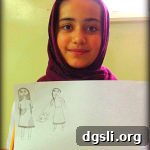
The Advice Project adapts to the needs and constraints of different communities. In one partnership with an organization supporting Afghan immigrant women and children, direct discussion of sex and bodily changes was not permitted. The curriculum was adapted by examining media representations of women, control over images, and cultural expectations—approaching bodily autonomy indirectly but effectively. In that setting, participants gained awareness and ownership of their bodies without violating community boundaries.
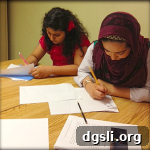
Across settings, girls who take part learn that their ideas matter and gain the craft to express those ideas clearly and persuasively. They deepen their understanding of stereotypes, develop stronger critical thinking skills, and become more engaged local and global citizens. Workshops are inclusive of a wide range of literacy levels: some teens produce college-level work, while others are newly learning to read and write after being previously denied access to education. Regardless of starting skill, each participant leaves with a piece of writing to be proud of.
International education and global summits
Building bridges between cultures is central to the project’s vision. To expand cross-cultural leadership, The Advice Project launched an international leadership and empowerment summit for teen girls. The Advice Project Global Leadership and Empowerment Summit for Teen Girls brings participants together to focus on large-scale issues—indigenous women’s rights, conservation and climate change, sexual trafficking—and to develop practical, applicable solutions. The program aims to host one global summit each year and to ensure that girls’ ideas reach editors, policymakers, and readers worldwide.
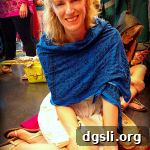
Screen Shot 2014-11-03 at 4.36.03 PM
Screen Shot 2014-11-03 at 4.43.23 PM
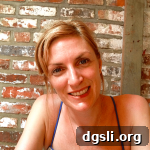
Screen Shot 2014-11-03 at 4.35.17 PM
Screen Shot 2014-11-03 at 4.32.17 PM
Screen Shot 2014-11-03 at 4.31.50 PM
Screen Shot 2014-11-03 at 4.31.19 PM
About the author of this piece: Jessie Voigts holds a PhD in International Education and has lived and worked in Japan and London. She has traveled widely and published books on travel and intercultural learning. Jessie seeks ways to increase intercultural understanding and encourages travel and curiosity through Wandering Educators. She also founded and directs a Youth Travel Blogging Mentorship Program that supports teen writers around the world.