
By Jeff Waller
During times of deep uncertainty, social unrest, or widespread fear, history offers lessons on how people can withstand hardship and turn adversity into growth. Many leaders, educators, and everyday individuals have modeled resilience—demonstrating not only survival but the ability to emerge stronger. Although today’s challenges may feel unprecedented, earlier episodes in our shared past tested resolve in similar ways and left practical lessons we can apply now.
One useful framework for navigating crisis is the Stockdale Paradox. Admiral James Stockdale, a U.S. military officer held prisoner for eight years during the Vietnam War, endured repeated torture and long stretches without hope of rescue. In an interview featured in Jim Collins’ book Good to Great, Stockdale explained how he coped: combine unwavering faith you will prevail with a clear-eyed acceptance of the brutal facts in front of you. That balance—optimism anchored in reality—has since been named the Stockdale Paradox.
Survivors who embodied this mindset kept a strong belief that they would ultimately be freed, while never denying the severity of their situation. Educators and parents who are most effective often show the same dual awareness: they acknowledge struggle without losing sight of possibility. They see each student and colleague as a blend of challenge and potential. That perspective—grounded hope plus practical awareness—helps people stay calm, make sound decisions, and act in ways that protect and strengthen communities.
Below are three practical mindsets inspired by the Stockdale Paradox that can help individuals, families, and organizations respond more effectively to crises, including public health emergencies, economic anxiety, and social upheaval.
Elevate Your Perspective
A steady, long-term perspective—summed up by the phrase “this too shall pass”—is essential for resilience. Research on successful people repeatedly shows that difficult circumstances often supply the conditions for skill-building, character development, and important relationships. Adversity can catalyze growth, even when it feels overwhelming in the moment.
Right now, it may be hard to spot any silver lining amidst inflation, geopolitical tensions, and uncertainty about schools and work. But hardship can force clarity about what matters most, encourage healthier habits, or prompt deeper connection with family and community. Whether or not you experience those benefits directly, the constant is that challenge reveals who we are and provides opportunities to grow. Holding the belief that the crisis will end allows us to remain composed, make deliberate decisions, and learn from the experience. Years from now we may look back and describe this period as a time of hard-won growth.
Own Your Life
Many fulfilled and accomplished people share a common conviction: our lives are largely shaped by the choices we make. Viktor Frankl captured this when he wrote that one of humanity’s last freedoms is the ability to choose one’s attitude under any set of circumstances. That freedom matters now more than ever.
Decide intentionally what you will consume—news, social media, and information—and select trustworthy sources. Take actions that improve your health and safety: strengthen your immune system, practice good hygiene, and learn how viruses spread so you can make informed choices. Productive action reduces helplessness: as Goethe observed, “action is the only way to eliminate doubt.” Sitting immobilized by fear or endlessly refreshing headlines tends to magnify anxiety. By contrast, purposeful actions—small routines, thoughtful choices, consistent habits—restore a sense of agency and move us toward better outcomes.
You ultimately choose what to believe and how to act. Use that agency to protect yourself and those around you, and to build the resilience that will matter long after the immediate crisis has passed.
We Are Connected
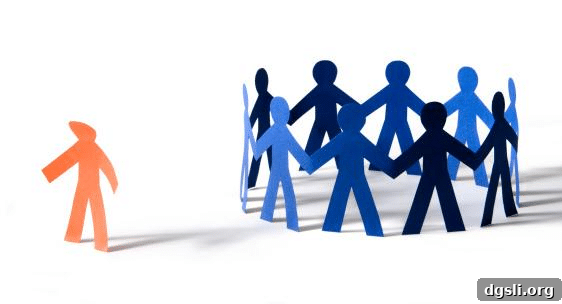
Adversity can either drive people apart or bring them together. History shows that shared challenges often strengthen bonds and spur collective action—think of national mobilizations during World War II or the solidarity many felt after 9/11. A widespread public health threat can function as a common challenge that reminds us of our interdependence.
Imagine a future where we look back and see that communities, institutions, and world leaders responded by cooperating and building stronger ties. If we treat progress as non-zero-sum—where collaboration amplifies results—our families could grow closer, neighborhoods become more supportive, and civic life regain focus on the common good. Such outcomes aren’t guaranteed, but they are possible if enough people choose to act intentionally toward them.
The pandemic and its aftermath have brought real suffering. Yet crisis also offers a chance to reconnect and to insist on the best in each other. If we act with humility, courage, and responsibility now, we increase the likelihood that our collective response will produce lasting positive change. Ultimately, individual mindset drives behavior—and behavior determines outcomes. I aim to respond with the steadiness and realism that Admiral Stockdale exemplified.
About the author
Jeff Waller is the co-founder of 7 Mindsets, a social-emotional learning organization that provides a common language of beliefs and values to help students and adults live with passion, purpose, and meaning. He is active on social media under the handle @JeffMWaller. The 7 Mindsets online portal includes hundreds of virtual SEL lessons for students and staff and has been expanded with topical resources to help address concerns related to COVID-19; the lessons are available for download and work with virtual classroom platforms.