
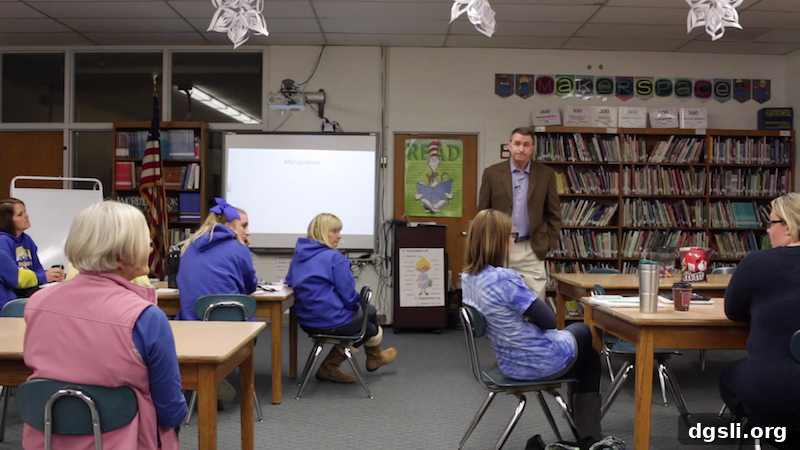
According to NPR, teacher attrition is alarmingly high: enrollment in university teacher preparation programs has dropped by about 35% over the past five years, a decline that represents nearly 240,000 fewer prospective teachers. The National Education Association and other sources estimate that roughly half of the current teaching workforce could retire or leave the profession within the next five to seven years, intensifying an already critical staffing shortage in schools nationwide.
Turnover among new teachers is particularly concerning. Roughly 20% of new hires leave the classroom within three years, and in many urban districts nearly 50% of beginning teachers depart within their first five years. These losses have ripple effects on student learning, school culture, and district finances.
Burnout, excessive workloads, low compensation, and chronic stress are common drivers of teacher attrition. One element that receives far less attention in conversations about teacher retention is the comprehensive support of educators’ mental and physical health—areas that directly influence job satisfaction, performance, and long-term career sustainability.
Dr. Jared Scherz, founder of TeacherCoach and a former elementary school guidance counselor turned clinical psychologist in New Jersey, is working to address this gap. His practice and platform center on the holistic well-being of educators, combining psychological insights with practical professional development to help teachers thrive personally and professionally.
In this interview, Dr. Scherz outlines his background, explains the goals of TeacherCoach, and describes how a combined focus on wellness and professional development can reshape the educational ecosystem.
Dr. Scherz, please tell us about TeacherCoach.
TeacherCoach is a hybrid training platform for educators and parents that also generates revenue for school districts. It delivers concise, practical learning through online modules, coaching, and webinars. Using an innovative Learning Engagement System (LES), districts can build customized content libraries and even create training they can license or sell.
Districts receive branded, secure portals managed through a control system that schedules brief learning units with national experts. Local, regional, and state sponsors can subsidize the cost of training, making professional learning more affordable and scalable for districts.
Dr. Scherz, please share your education background.
My career began as an elementary school guidance counselor in some of the most under-resourced urban and rural communities in Chicago and Pennsylvania. Those early years gave me firsthand experience with the challenges students and staff face, from safety concerns to limited resources.
I later trained as a clinical psychologist and, with my wife—also a psychologist—opened a wellness center in New Jersey. I continued to work with educators through counseling, consulting, writing, and speaking, with a particular focus on school violence, organizational health, and school culture.
My approach draws on the Gestalt Paradoxical Theory of Change: rather than only prescribing techniques, we first seek to understand the root causes of behavior and the internal processes of educators. For instance, when addressing a student’s disruptive behavior, it’s important to explore why the student is acting out, which needs are unmet, and how the teacher’s own reactions shape the interaction. This reflective stance promotes sustainable change rather than a reliance on temporary fixes.
What motivated you to focus on supporting teachers?
A pivotal moment for me came in March 2000 when I saw news coverage of a first-grade shooting in Flint, Michigan. The media response simplified a complex problem, but my experience as a family systems therapist told me there were deeper dynamics at play. I decided to pursue doctoral study to combine my counseling experience with clinical research, focusing on school culture and student violence. That work eventually led to my first book and a career devoted to improving school environments for students and staff.
What areas do you prioritize for personal growth and well-being?
We divide personal growth into three broad domains: family, relationships, and self. Each domain contains focused topics such as conflict resolution, intimacy, wellness, and behavioral health. We also offer targeted series like Preventing Burnout, nutrition programs led by experts, and stress management courses designed specifically for busy educators.
How does professional development tie into personal growth?
TeacherCoach organizes professional development into seven categories: Educational Law, Engagement, Leadership, Mandates, Orientation, Systems, and Technology. Courses are designed to be both practical and engaging—turning required training into meaningful learning through animation, interviews, and multimedia.
Our research confirms a strong overlap between personal stress and professional performance: over 97% of educators in our studies report that stress in their personal lives affects their teaching. That insight led to our guiding equation: Personal Growth (PG) + Professional Development (PD) = Whole Teacher (WT). When schools address both personal and professional needs, teachers are better equipped to support students.
How does TeacherCoach differ from traditional PD?
TeacherCoach expands the notion of PD to include wellness and systemic integration. Our Learning Engagement System (LES) is an evolution of a traditional learning management system, designed to increase engagement and help districts generate independent revenue. We aim to create “Engaged Educational Ecosystems” by supporting educators, administrators, and families together rather than treating each group in isolation.
We also make training available to families at no cost through district portals, helping schools become community hubs for wellness. This approach gives low-income communities access to high-quality psychological, financial, and health-related resources without additional expense.
Platform highlights:
- Supports students’ social and emotional growth with online curricula that offer alternatives to punitive discipline and address contemporary challenges such as social media and technology use.
- Makes mandatory training engaging and efficient through animation, motion graphics, and expert interviews—so educators gain value from required learning time.
- Combines brief online modules with webinars, coaching, and in-person workshops to reinforce knowledge through experiential learning.
Why prioritize mental health and wellness for educators?
Students and adults face growing psychological and physiological challenges—rising anxiety, addiction, and other health concerns—that directly affect schooling. Educators working under intense stress and shrinking resources are more likely to experience burnout, which undermines teaching quality and student outcomes. Research shows elevated rates of depression, anxiety, and addiction among educators and students alike. Addressing these issues proactively is essential to maintaining a healthy, effective workforce in education.
Our goal is for TeacherCoach to be a primary support resource for educators’ mental and physical health, helping them sustain long careers and rediscover the joy of teaching.
How can teachers and districts get started?
Individual educators can sign up on the TeacherCoach site and begin accessing learning modules in minutes. School districts can create custom portals, choose from a library of roughly 200 curated engagements, and bundle those into targeted sets that match district priorities.
Are you seeking sponsors?
TeacherCoach partners with local, regional, and national sponsors who want to support schools and associate their brands with community wellness. These partnerships help subsidize training for districts and make high-quality resources accessible to more families.
What has been the most rewarding moment so far?
One memorable moment came during a New Jersey teachers’ convention when two veteran educators became visibly emotional at the prospect of a platform that supports them both inside and outside school. Moments like that—when educators feel truly seen and supported—affirm the purpose of this work. I consider it a privilege to support teachers and will continue listening to their needs to develop meaningful, sustainable solutions that improve their work and well-being.