

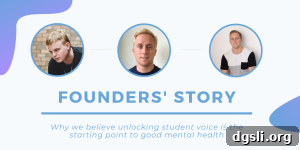
Skodel, an Australian company focused on student wellbeing check-ins, has secured $1.8 million in funding to advance its mission of giving every student a voice that is listened to and acted upon. Co-founded by identical twins Ian and Julian Fagan together with their friend Huon Peard, the company was born from the founders’ personal and observed experiences with adolescent wellbeing. The new capital will accelerate product development, expand reach, and support the creation of practical resources to help schools respond to students’ mental health needs.
Skodel’s core product is the Wellbeing Check-In tool, a short, engaging weekly experience that lets students report how they are feeling in a confidential, approachable way. The check-in uses simple, familiar prompts so students can quickly indicate their emotional state each week. That frequent, low-friction feedback produces real-time data for schools and wellbeing teams, enabling educators to spot emerging concerns sooner and to prioritize timely, appropriate responses.
Because responses are collected consistently and confidentially, Skodel’s platform helps surface patterns and issues that might otherwise go unnoticed. Schools receive actionable insights rather than raw data, and Skodel supports the process of responding to those insights by suggesting suitable next steps and resources. Research and practical experience indicate that having up-to-date information about students’ wellbeing encourages more open conversations about mental health and equips educators to address the complex challenges that students face across age groups.
The funding round included participation from Thorney Investment Group along with notable private investors such as Bridge Climb founder Paul Cave and Anchorage Capital Partners Chairman Phil Cave. Peter O’Connell, co-founder of Australia’s fourth largest mobile company, serves as Skodel’s Chairman and is also a significant investor. This group brings both capital and strategic experience to support Skodel’s next phase of growth.
The investment will be put toward Skodel’s domestic and international rollout, ensuring more schools and districts can access the Check-In app. It will also finance the development of tailored, engaging, and evidence-informed resources to guide educators, parents, and school counsellors when wellbeing issues arise. Those resources are being developed in collaboration with clinical experts, including leading psychologist Andrew Fuller, to ensure content is clinically informed and practical for everyday school settings.

Andrew Fuller
Ian Fagan, Skodel co-founder, said: “The capital raised will enable Skodel to continue to improve its diagnostic capabilities and develop further resources for youth experiencing mental wellbeing challenges. It will also ensure more students have access to the Skodel Check-In app. In addition, empowering and engaging students to talk about their mental health not only helps schools identify those at risk but also informs future wellbeing planning.”
Alex Waislitz, Chairman of Thorney Investment Group, commented on the broader context: “In many ways, the world today is a much more complicated place to be a young person. We recognize the importance of Skodel’s technology and its potential to have a positive impact on mental illness by providing real-time data on how students are feeling and equipping students with the social and emotional skills to cope through tough times.”
Skodel is already in use across Australia and has expanded into New Zealand, the UK and the US. Currently, more than 15,000 students in Australia use Skodel Check-In to share how they are feeling on a weekly basis. As the company scales, the aim is to reach many more schools and students so that wellbeing conversations become routine and supported by timely, relevant data.

About Skodel
Skodel is a software company dedicated to addressing wellbeing and mental health challenges among children and adolescents. It offers the first platform designed to deliver real-time data on student wellbeing to schools, helping educators identify students who may need support more quickly. The company’s Wellbeing Check-In app is used by schools across Australia, New Zealand, the UK and the US, and is aimed at creating safer, more responsive school environments by ensuring student voices are heard and translated into meaningful action.