
By Amy Howell
Conversations about TechEd are frequent in schools today, but the most powerful change I see comes from student-led learning. When students take the lead to teach and support one another, the results are energizing, authentic, and deeply effective.
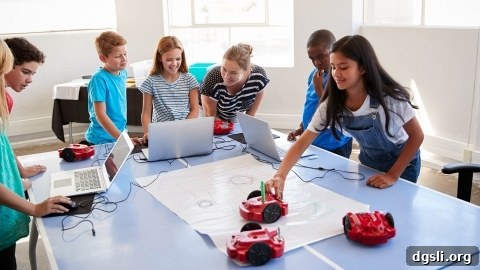
Groups with names like STEAMbassadors, STEMbassadors, Alpha: Techsperts, or simply The Girls represent a wide range of student-driven initiatives. Whatever they are called, these teams share a common purpose: students invest their own time to learn new tools and technologies, then turn around and share that knowledge with peers and teachers. They explore applications, experiment with resources, design lessons that align with classroom goals, and collaborate with educators to refine their teaching.
Watching students approach teachers outside their grade level to discover what classmates are learning, auditing available resources, and designing thoughtful lessons is inspiring. They ask for feedback from teachers, revise their plans, and then confidently teach material to students who may be older than they are. Their poise, preparation, and willingness to be accountable for other learners bring a level of engagement that traditional models often miss.
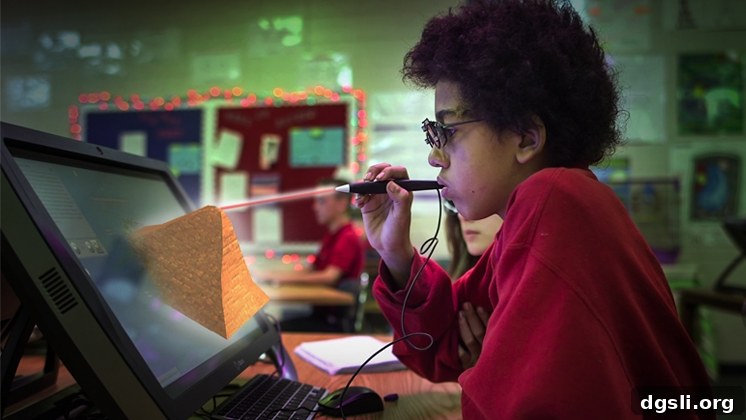
One memorable example involved a group of STEAMbassadors who approached a 2nd grade teacher to offer a lesson using units from a virtual reality learning program. The teacher was impressed by the students’ thoroughness: they wrote a lesson plan that aligned with the standards being taught, led the whole class through the sequence of activities, and posed questions that encouraged deeper thinking. The younger students connected the experience to later lessons, citing what they had learned with the STEAMbassadors. Seeing students make those cross-lesson connections was a clear sign of meaningful learning.
I currently work with a group called the Alpha: Techsperts, made up of enthusiastic 3rd–5th grade students who love technology and want to share it. A standout moment came when a team of 3rd grade girls proposed a library lesson idea to our librarian. She encouraged them to plan and teach it, and they did so with support from two teachers. Their “Not a Box” lesson was so successful that they expanded to teach 3rd, 4th, 5th, and even 1st grade classes.
They later developed a Social Emotional Learning lesson using the book How Do Dinosaurs Get Well Soon? and modeled classroom practices they observed from their teachers. The students used workshop structures, attention-getting routines, and opportunities to share thinking—demonstrating how well student-led lessons can mirror strong teacher-led practices while offering the unique perspective of peer instruction.
Another team of Techsperts supports coding lessons across grade levels. These students help guide classmates and sometimes high school volunteers through a progression of activities that begin with a shared text and move into hands-on, technology-based tasks. The Techsperts coach peers on using devices and software without taking over the work, emphasizing facilitation and guided discovery. These sessions are structured so the Techsperts receive feedback from adult educators, helping them refine both their technical and instructional skills.
Alpha: Techsperts continue to learn in several ways: independent study through Google Classroom, adult-led training sessions, and peer-led learning opportunities. Their professional learning includes practical skills—how to use Google Docs, how to evaluate and adopt new applications, and how to teach STEM or makerspace lessons. This layered approach helps them stay current with new resources the school acquires and builds confidence in both the technology and pedagogy they use when teaching others.
As educators, our goal should be to develop learners who do not always depend on adult direction. When students take initiative—seeking out new concepts, teaching peers, and telling us what they want to learn—education becomes truly reciprocal. It shifts the classroom dynamic so teachers become mentors and observers of student-driven inquiry. If we continue to nurture those opportunities, our students will increasingly lead the learning while we support and celebrate their progress.
About the Author
Amy Howell has been in education for 16 years, all of which have been in Northwest ISD in Justin, Texas. She received her undergraduate degree from Louisiana State University and her master’s degree from Lamar University. Mrs. Howell has taught and coached 7th and 8th grade and she has been an administrator at both the middle school and elementary level.
This article was originally published by The Learning Counsel, a research institute and news media hub focused on providing context for the shift in education to digital curriculum.