
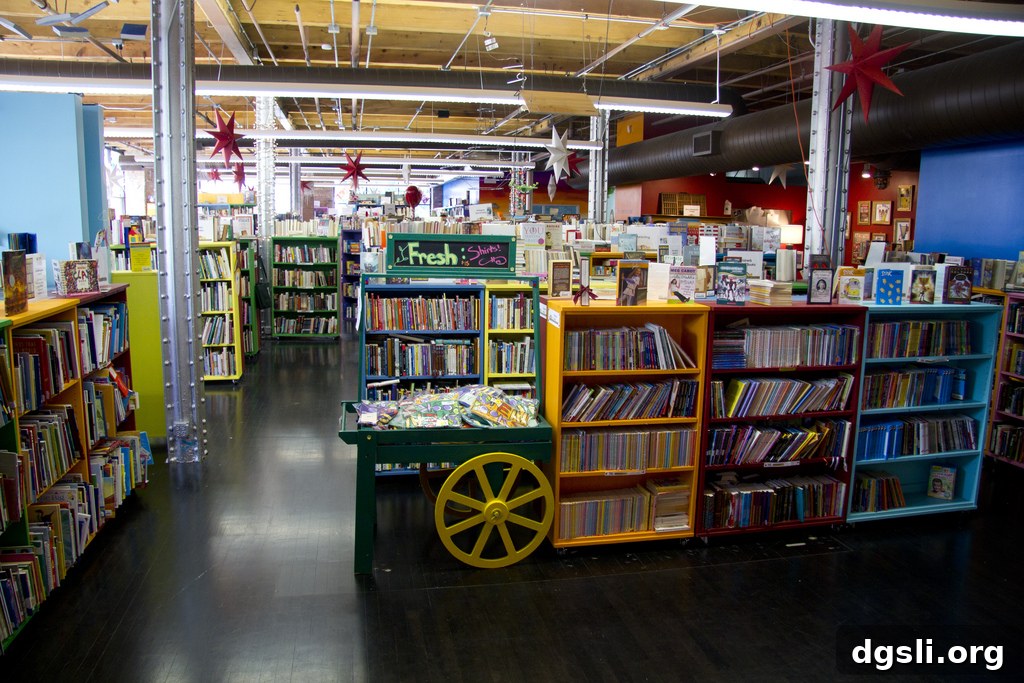
 Guest Article from Open Books
Strategies to Engage Reluctant Middle School Readers
Reluctant readers are easy to spot: they rarely seem excited by assigned texts, they hesitate to pick up new books, and they may need prompting to complete even short reading tasks. Yet with thoughtful approaches and the right encouragement, many middle school students who resist reading can become capable, motivated readers. This article shares practical, classroom-ready strategies to spark interest in reading, build confidence, and create lasting reading habits among middle schoolers.
About Open Books
Open Books is a nonprofit organization known for its literacy programs and community bookstore in Chicago. They work with thousands of students each year through reading and writing initiatives and provide opportunities for young people to explore a wide range of donated books. Their programming focuses on helping students discover personal reading interests and developing stronger reading skills through choice, engagement, and meaningful practice.
Top 5 Tips for Motivating Middle School Students to Read
-
Offer variety in reading material:
One reason teens resist reading is a lack of choice. When students are forced to read only specific texts, reading can feel like a chore. Provide a broad selection of genres, formats, and reading levels—graphic novels, short stories, nonfiction articles, poetry, fan fiction, magazines, and audiobooks. Host book giveaways, create a classroom library, or allow students to borrow titles for independent reading. Giving students ownership of their reading choices increases motivation and helps them discover topics they genuinely enjoy.
-
Introduce book series:
Series can be particularly effective for sustaining interest. When a student enjoys the first book, the desire to continue with sequels keeps them engaged and builds momentum. Curate suggested series across different genres—mystery, fantasy, science fiction, realistic fiction—and highlight why a series might be appealing (character growth, cliffhangers, expanding worlds). Make it easy for students to find and continue series in classroom or school libraries.
-
Read the first page out loud with expression:
Many teens decide quickly whether they like a book based on the first page. Reading the opening aloud—using expressive voice, pacing, and tone—can hook students and model fluent reading. This practice helps students experience the voice and atmosphere of a text without the pressure of decoding alone. Regularly share first pages from new books to spark curiosity and invite students to explore titles that catch their attention.
-
Model reading behavior:
Students look to adults for cues about what’s valued. Share your own reading experiences—talk about books you love, read short passages aloud, and display enthusiasm for reading in everyday conversation. Recommend specific passages, memorable sentences, or quotations and explain why they stood out to you. When teachers and staff visibly read and discuss books, students are more likely to follow that example and adopt reading as a valued habit.
-
Get students into character:
Active, creative activities deepen comprehension and make reading memorable. Assign roles from a text and have groups develop short skits or monologues that place characters in new situations. To succeed, students must understand a character’s voice, vocabulary, motivations, and mannerisms. Drama-based tasks, role play, and character hot-seating encourage empathy with the text, improve speaking and listening skills, and make reading an interactive experience that students often find motivating and fun.
Practical Classroom Tips
Keep reading routines flexible and low-pressure. Offer short daily independent reading time, allow silent reading with earbuds for audiobooks, and set up peer-to-peer book recommendation moments. Use reading logs focused on reflection rather than quotas, and celebrate small milestones—finishing a book, writing a favorite passage, or recommending a title to a classmate. Tailor interventions to students’ interests and reading levels so success builds naturally.
Further Resources
For teachers and librarians seeking additional strategies, consider these respected titles on motivation and teaching reading:
- Reading Reasons: Motivational Mini-Lessons for Middle and High School by Kelly Gallagher
- The Reading Zone: How to Help Kids Become Skilled, Passionate, Habitual, Critical Readers by Nancie Atwell
With variety, voice, choice, modeling, and creative engagement, middle school students who are initially reluctant can develop stronger reading habits and even a real enthusiasm for books. Small changes in classroom practice and access to appealing materials can make a lasting difference in a young reader’s life.