
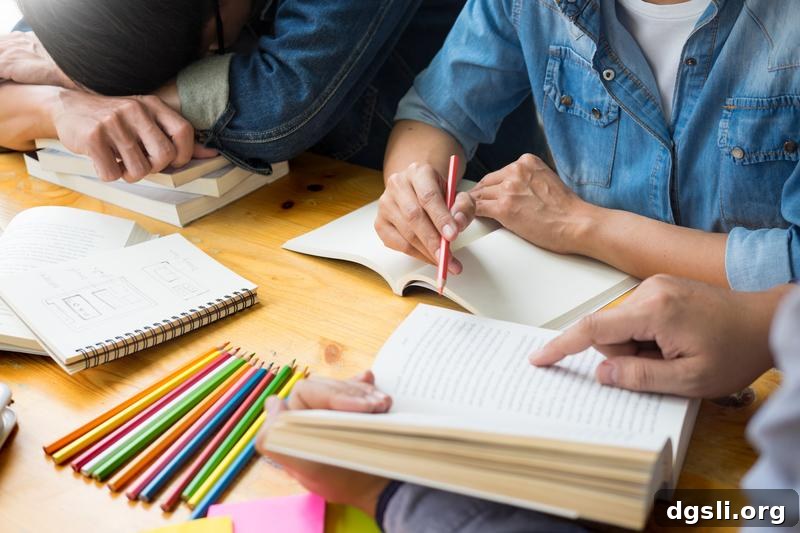
Combining the adrenaline of competition with the mental challenge of academics, scholastic contests test knowledge, speed, teamwork, and composure under pressure. Whether you compete individually or as part of a team, thoughtful preparation and smart habits can turn nerves into peak performance. The following guidance will help you approach academic competitions with confidence and focus.
Study Habits
Preparing for an academic competition requires more than the typical exam review. Unlike a classroom test that focuses narrowly on assigned material, competitions often draw from a wide range of topics and require quick recall and pattern recognition. Focus your study time on strategies that build breadth and retrieval speed rather than memorizing obscure details.
Start by identifying high-yield topics and gaps in your knowledge. Create a prioritized study plan that allocates more time to weaker areas while maintaining practice on strengths so they remain sharp. Use active study techniques—practice questions, flashcards, spaced repetition, and short teaching sessions where you explain concepts aloud—to improve retention and recall.
Practice under simulated conditions whenever possible. Timed quizzes, buzzer drills, mock rounds, or past-question sets will help you learn how questions are phrased, how fast you need to respond, and which cues signal correct answers. If you compete as part of a team, schedule regular team practices to refine signaling, division of specialties, and in-round communication so everyone understands their role.
Avoid wasting time on minutiae that are unlikely to come up. Success in competitions usually favors well-rounded knowledge and quick pattern recognition over encyclopedic depth. Instead of aiming to be a flawless expert in every topic, aim to know enough to recognize correct answers quickly and to confidently rule out incorrect choices.
Prepare For the Big Day
In the weeks and days leading up to the event, build a stable routine. Gradually taper intense study so you arrive rested and mentally flexible, not exhausted from last-minute cramming. In the 24–48 hours before the competition, focus on light review, practice rounds, and mental rehearsal rather than learning new, untested material.
On competition day, prioritize sleep, nutrition, and logistics. A consistent sleep schedule in the nights before the event boosts memory consolidation and reaction time. Eat a balanced breakfast that includes protein and complex carbohydrates to sustain energy, and hydrate well. Pack all necessary items the night before—identification, writing tools, snacks, water, any allowed devices, and comfortable clothing—so you avoid stress in the morning.
Allow time to arrive early and acclimate to the venue. Use short, focused review sessions an hour or two before the start to refresh key facts or strategies, but avoid over-studying; too much information right before the event can create mental clutter. Instead, try brief warm-ups such as a few practice questions or a team huddle to clarify roles and tactics.
Relax
Managing stress is as important as mastering subject matter. High anxiety can impair recall and decision-making, so practice simple techniques to stay calm: controlled breathing, short walks, light stretching, or a quick mindfulness exercise can lower tension and sharpen focus. Limit screen time the night before to avoid the stimulating effects of blue light and information overload, and create a calming pre-sleep routine.
Keep perspective—competition results do not define your worth or future success. Treat each event as an opportunity to learn: every match gives valuable feedback about your knowledge, timing, and teamwork. If you perform below expectations, analyze what went wrong, adjust your preparation, and use the experience as practice for improvement.
During the contest, pace yourself and prioritize clarity. If you’re unsure of an answer, use elimination strategies and collaborate with teammates when appropriate. Maintain positive self-talk and concentrate on the process—listening carefully, answering concisely, and staying engaged until the very end.
Finally, reflect and connect after the competition. Review questions you missed, celebrate improvements, and take notes on what worked well in your preparation and team dynamics. Networking with fellow competitors and coaches can offer new study ideas and future practice partners. With consistent preparation, effective recovery, and a calm competitive mindset, you’ll steadily improve and enjoy the challenges that academic competitions offer.