
By Tamara Fyke
I am the mother of three wonderful bi-racial children. Their father and I adopted locally in the Nashville area because we were unable to have biological children and felt called to serve kids in our community. My children are now 22, 17, and 14, and our family story is complex. For more than two decades we have talked regularly about race and identity. This past weekend, those conversations deepened in ways I didn’t expect.
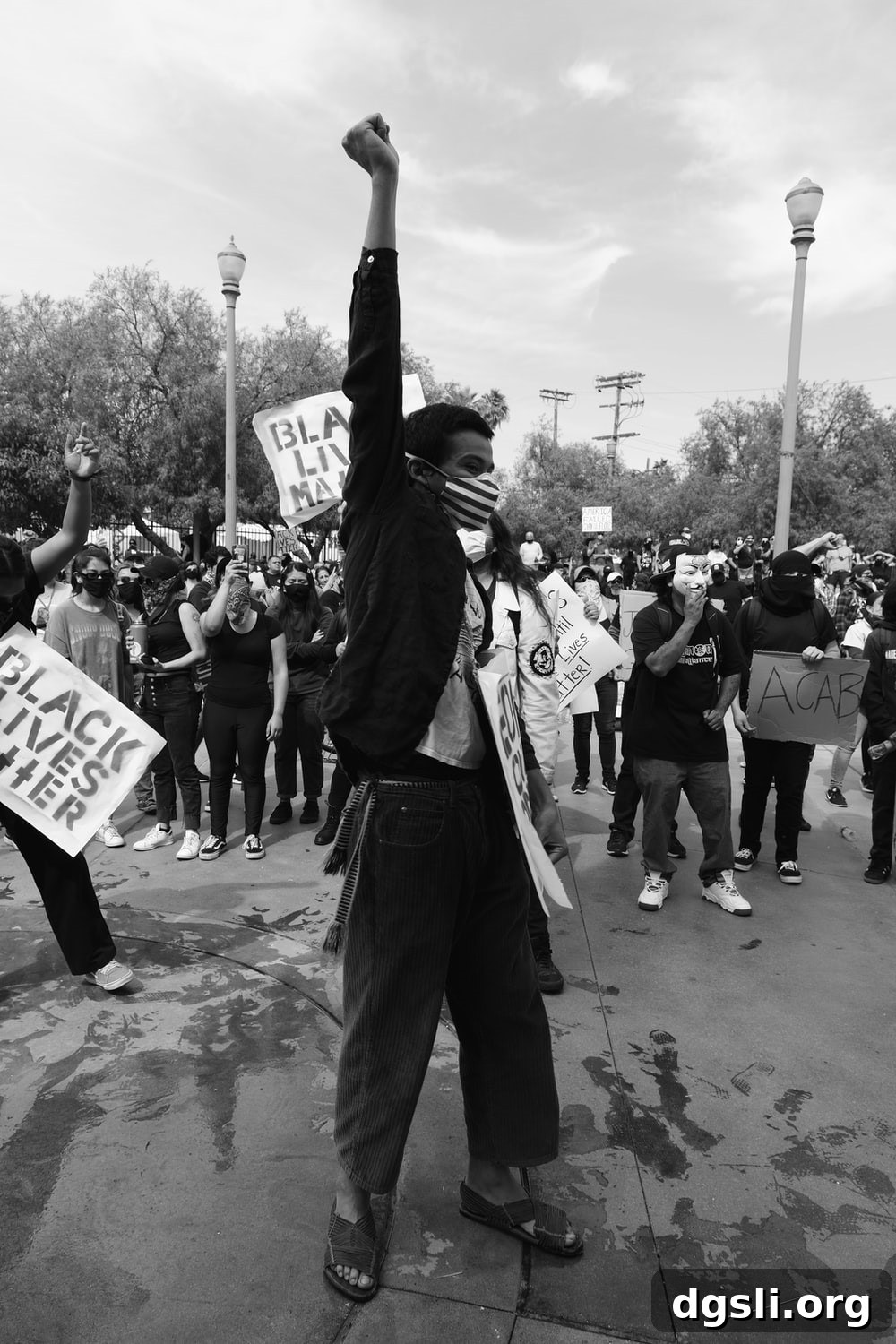
Last Thursday, May 28th, 2020, my 17-year-old daughter sent me four screenshots of a draft Instagram post and asked, “Also should I post this on Insta?” The image was a Black Lives Matter banner and her caption explained that, although she doesn’t usually post, she wanted to use her voice. She wrote clearly and simply about how Black people shouldn’t have to fear going for a run (referring to Ahmaud Arbery) or going to the grocery store (referring to George Floyd). I read it, gave a small edit, and told her it looked good.
She replied, “Okay thanks. I’m proud of myself tbh. It’s gotta be voiced and I don’t do it enough.”
I answered, “I’m proud of you too!”
Thoughtful and intentional, she published the post on Friday, May 29th, 2020. She lives with her dad and stepmom in a mostly white community. Though mixed, her complexion is light and she could pass for white. Her post wasn’t only about Minneapolis; it was about who she is as a young Black woman among predominantly white peers. She worried about how white followers might respond—support or silence?—but deciding to be heard mattered more to her than being popular.
On Saturday, May 30th, while we were FaceTiming and making plans for her to come over, she sent me photos of two dark-skinned women wearing bright orange outfits. “I wish I could wear clothes like this. The contrast of their skin and the bright colors just pops!” she said.
When she arrived, she told me about the growing positive response to her post, which encouraged her to speak more. After dinner we turned on network news so she could see the scale of what was happening countrywide—she had mostly been getting updates on TikTok. We watched in disbelief as authorities in Minneapolis used tear gas and rubber bullets on protesters and reporters, and then saw footage of our courthouse burning and our city under a 10 p.m. curfew. We were simultaneously talking, scrolling social media, and texting friends, experiencing history in real time.
On Sunday, May 31st, we took a walk and reviewed the weekend. We discussed how these events affect her two brothers, who are also mixed. In the middle of the conversation I gently asked, “Remember those photos you sent of the girls in bright dresses?”
“Yes,” she said.
“Tell me more about that,” I prompted.
She told me she sometimes wished she were darker. “I’m light enough to pass, but I’m Black,” she said. I listened and replied, “I thought that was part of it, sweetie. You are a beautiful, strong Black woman. You could rock those bright colors if you want—you’d look great.” She half-smiled and took it in.
This is only a snapshot of our weekend. I am deeply grateful my daughter trusts me enough to share her heart, to let me walk with her through the questions and feelings—the anger, sadness, and pain. There is no quick fix or simple answer to the systemic issues we’re confronting in America, nor to the personal impact these events have on individuals. But one clear need expressed by Black communities is to be heard—just as my daughter needed to be heard.
Below are practical suggestions for parents and caregivers to help process these events with children of every color:
- Show them what is happening. Turn on the news for a limited time appropriate for their age. Allow them to see, in controlled doses, the events unfolding across the country so they can grasp the reality of the moment.
- Have a conversation. Ask what they noticed and how it made them feel. Encourage questions and be honest in your responses. Conversations build understanding.
- Affirm their emotions. Let them know it’s normal to feel sad, angry, scared, or confused. Normalize those feelings and invite them to express them rather than bottle them up.
- Encourage connection. Remind children to reach out to their Black and brown friends to offer care and solidarity. Intentionally checking in with peers matters—especially during times of social distancing and heightened stress.
About the author
Tamara Fyke is an educator and creative entrepreneur passionate about children, families, and urban communities. She created and manages Love In A Big World, a social-emotional learning (SEL) curriculum for K–8 educators that is both research-based and practical. The program provides resources to help students become socially competent, emotionally healthy problem-solvers who discover purpose and make a positive difference.
Tamara is editor of Building People: Social & Emotional Learning for Kids, Schools & Communities, a collection of twelve perspectives on SEL for educators, parents, and leaders. She is also a regular columnist at The Learning Counsel.