
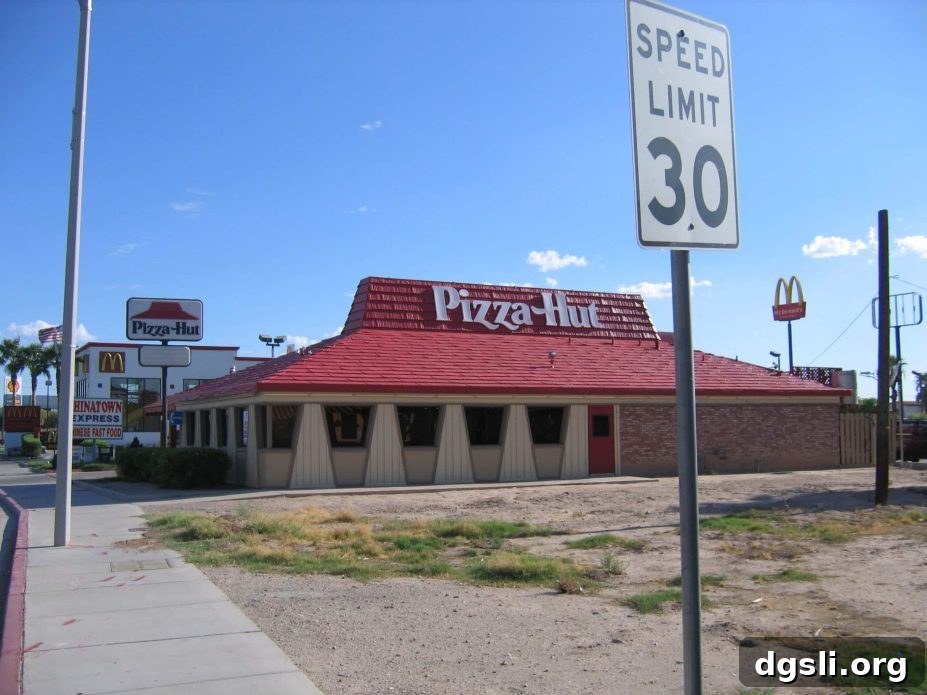
Image by Wikepedia
Back in the 1980s and early 1990s, I worked at TGI Friday’s in Chicago. At the time, casual dining felt like a golden era: evenings were lively, service felt personal, and people gathered to celebrate small moments over shared appetizers, comforting entrees, and warm beverages. That sense of social connection made a simple meal feel important. Today, after decades of change in how people eat and socialize, diners are actively searching for that same feeling of belonging—an authentic, human experience that goes beyond perfectly staged posts on social media.
Recently, Pizza Hut franchisees began rolling out redesigned “classic” restaurants that revive the brand’s retro look and familiar design elements. Those nostalgic makeovers, now applied to more than 150 locations, have drawn praise and media attention while sparking a wave of nostalgia among diners and content creators. While a remodel won’t solve every operational challenge, the broader lesson is clear: when restaurants ground themselves in simple, familiar comforts, they can reignite customer loyalty and feel relevant again.
The return to classic design highlights a few core principles that matter in casual dining and restaurant revival efforts: atmosphere, predictability, and human connection. A salad bar, a red cup filled with soda, and a hot pizza brought to the table may seem modest, but those elements create ritual and a shared experience. Guests often seek places where they know what to expect and feel welcomed—especially after years of digital noise and impersonal interactions.
How Restaurants Are Faring in 2026
Fast-forward to 2026, and the restaurant industry looks very different than it did in the heyday of casual dining. New ventures face tough odds: roughly 17–30 percent of new restaurants fail, and 42 percent of operators reported their businesses were not profitable in 2025. Those numbers underscore how challenging the operating environment can be. Yet despite the headwinds, many restaurants continue to thrive by focusing less on flashy trends and more on basic human fundamentals.
This environment rewards operators who deliver authentic value. Success often comes from mastering the five fundamentals that make dining feel meaningful: a warm welcome, consistent food quality, a comfortable and identifiable atmosphere, efficient service, and a sense that the restaurant belongs to the community. When those elements align, diners return not because of novelty, but because the experience meets an emotional need—connection, comfort, and predictability.
For brands and independent operators alike, the Pizza Hut retro revamp offers concrete takeaways. First, design decisions matter. Thoughtful chairs, lighting, and visual cues can trigger nostalgia and create an environment guests want to linger in. Second, menu simplicity can be an asset. Offering a few well-executed items that customers recognize can reduce waste, speed service, and increase guest satisfaction. Third, staff training focused on hospitality—real smiles, quick attention, and small personal touches—reminds people why dining out is social and memorable.
There’s also a marketing lesson: nostalgia is powerful, but it must be authentic. Bringing back classic features works when the underlying experience is credible. Customers quickly detect when a retro facade masks poor service or inconsistent food. Conversely, when design, menu, and hospitality align, the nostalgia becomes a genuine emotion that drives word-of-mouth and repeat visits.
Finally, community matters. Restaurants that host local events, support neighborhood causes, or simply know their regulars build resilience. In a market where competition and operating costs are fierce, community loyalty can be the difference between struggling and enduring.
READ MORE AT MY Inc. COLUMN!
Whether you’re running a national chain, a small independent, or planning a concept relaunch, the core insight is the same: in an era of digital saturation and social isolation, restaurants that focus on human connection, consistency, and a welcoming atmosphere are best positioned to survive and thrive.