
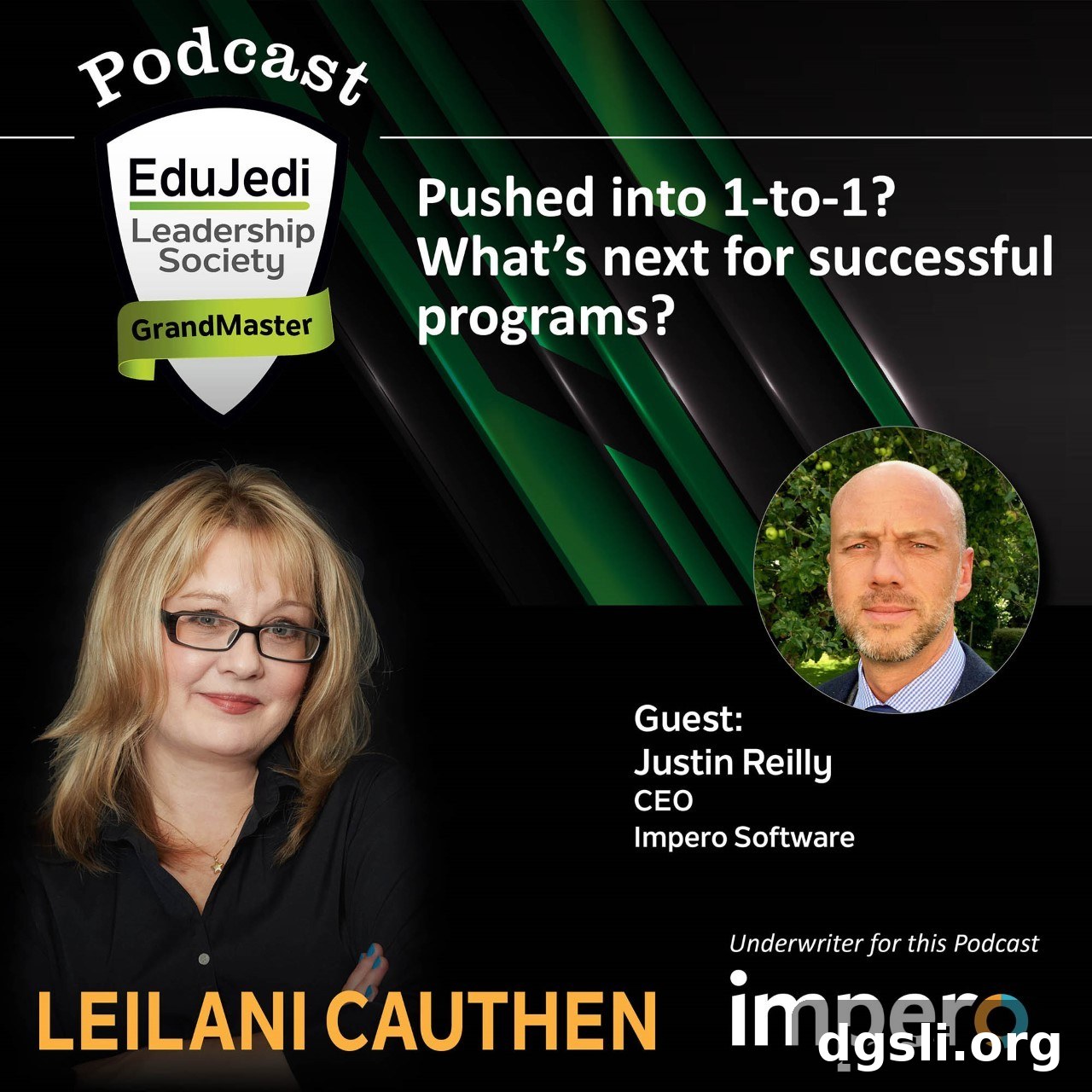
Episode recap: EduJedi Report with LeiLani Cauthen and Justin Reilly of Impero
Managing Mass Device Deployments and Protecting Student Well‑Being
In this episode of the EduJedi Report, host LeiLani Cauthen speaks with Justin Reilly, CEO of Impero, about an often overlooked but essential element in school technology rollouts: protecting students’ safety and supporting their social and emotional well‑being through advanced mobile device management (MDM) tools. As schools continue to operate in hybrid or remote models, the conversation centers on how districts can balance access to learning with proactive care for students’ mental health and engagement.
Why student safety and well‑being matter now
Rapid, large‑scale deployments of laptops and tablets have enabled continuity of instruction, but they also create new responsibilities for educators and administrators. The episode emphasizes that student safety goes beyond physical protection or network security: it includes monitoring digital behaviors that may indicate distress, identifying signs of cyberbullying, and offering timely support. Prioritizing social and emotional learning (SEL) and well‑being is critical for retaining students and improving academic outcomes, especially when learners are not physically present in school buildings.
Mobile device management as a guardian
Reilly and Cauthen explore how modern MDM solutions are evolving into comprehensive tools for student protection. Beyond basic device configuration and security, advanced platforms can help schools detect at‑risk behaviors, enforce appropriate online boundaries, and provide administrators and counselors with actionable insights. When implemented thoughtfully, these systems act as a digital guardian that supports student welfare while maintaining privacy and compliance with school policies.
Challenges of hybrid and remote learning environments
Hybrid and remote learning introduce unique challenges: students face varied home environments, inconsistent supervision, and increased exposure to online risks. The episode highlights the need for vigilance from schools to detect changes in student behavior and engagement early. Proactive monitoring combined with clear communication channels helps educators intervene, provide social‑emotional support, and keep students connected to learning communities.
Balancing privacy, safety, and academic goals
A recurring theme in the interview is balance: schools must protect student privacy while using technology to safeguard well‑being. Effective approaches include transparent policies, stakeholder engagement, and tools that surface concerns without exposing unnecessary personal information. When districts achieve this balance, they not only keep students safe but also promote higher retention and stronger academic performance by addressing barriers to learning.
Practical implications for district leaders and educators
The discussion offers practical guidance for school leaders considering or managing device rollouts: choose solutions that integrate device management with well‑being features; establish clear protocols for identifying and responding to alerts; train staff and families on the purpose and limits of monitoring; and align technology policies with broader SEL and mental health strategies. Thoughtful implementation helps ensure that technology investments support both safety and learning outcomes.
Conclusion
The EduJedi Report conversation underscores a timely truth: connecting students to learning devices is only the first step. Sustained attention to social and emotional well‑being—supported by capable, ethically deployed MDM tools—helps schools retain learners and improve achievement. As districts navigate hybrid and remote models, prioritizing student safety and mental health should remain central to technology decisions and district strategy.
Click here to listen