
By John Barnett
“It’s about changing your lens to assign new meaning to an old story so you can re-author to serve you better in the future.” ― Max Kline, Rhythmic Mind
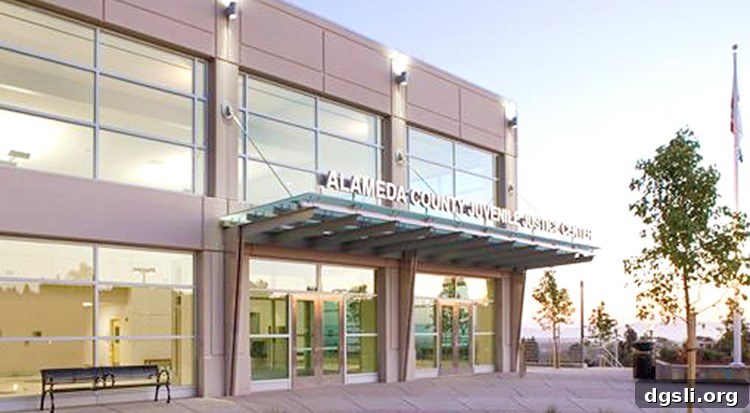
Music therapy and Hip Hop songwriting help trauma-affected youth at Alameda County Juvenile Hall
In California’s Bay Area, a collaborative program is using music-supported therapeutic learning to empower young people detained at Alameda County Juvenile Hall. Funded by the California Arts Council (CAC) JUMP StARTs grant, Today’s Future of Sound (TFS) and Rhythmic Mind bring together beat-making, therapeutic songwriting, and small-group clinical methods to help system-engaged youth process trauma, rebuild identity, and strengthen agency. Digital tools such as Soundtrap enable remote lesson planning and secure collaboration while protecting participants’ privacy.
An approach built on shared goals and complementary expertise
TFS, led by Dr. Elliot Gann and a team of instructors, specializes in beat-making workshops that integrate culturally sustaining music education with therapeutic practice. Their lessons use Hip Hop production to nurture self-efficacy, self-expression, and creative agency in students. Although TFS runs broad school-based programs, it also designs specific interventions for individuals and groups affected by severe trauma.
Rhythmic Mind, co-directed by Max Kline and Jonah Scott, focuses on trauma-informed, small-group Hip Hop therapy for at-risk and transitional-age youth across the Bay Area. When Dr. Gann proposed a joint effort under the grant, the organizations recognized shared philosophies and complementary skills. Rhythmic Mind’s intimate therapeutic model paired with TFS’s technical and large-scale capacity produced a combined curriculum initially planned for 20 weeks and later extended to 27 weeks, tailored for youth inside the juvenile hall.
Instructional models that engage and transform
The program is structured around beat-making, lyric-writing, and collaborative track production. TFS lesson plans introduce students to beat creation and digital production; Rhythmic Mind sessions translate those beats into original songs grounded in personal storytelling and resilience work. Beyond music skills, the curriculum emphasizes psychoeducation, narrative identity, and practical tools for emotional regulation.
Organized into three main units—two larger groups led by TFS and a third composed of smaller, intensive Rhythmic Mind groups—the project uses Soundtrap’s secure collaboration features to allow students to create, share, and build on each other’s musical ideas while maintaining confidentiality. This workflow helps bridge the larger production work and the focused therapeutic songwriting.
Rhythmic Mind: resilience and re-authoring personal narratives
Weekly small-group intensives: Fridays, 1½ hours
Rhythmic Mind’s juvenile-hall curriculum, ANTS (Advanced Narrative Therapeutic Songwriting workshop), centers on discussion, lyric writing, and original Hip Hop production. In discussion groups, students choose themes rooted in their lived challenges and bring Hip Hop songs that speak to those issues. Facilitators guide conversations toward resilience, responsibility, and purposeful planning for the future.
Students then take ideas developed in Rhythmic Mind into TFS sessions to produce original beats, returning later to Rhythmic Mind to write and record lyrics—often working in pairs. “There is a very clear focus on what the songs are about,” says Max Kline. “They focus on re-authoring one’s personal narrative—the story of who you are by taking ownership, creating it, and projecting it to be what you want it to be. The kids think through where they want to go in the future by clarifying their purpose and passion.” This blend of narrative work and creative production facilitates deep personal learning and practical skill-building.
TFS: beat-making to build ownership and agency
Tuesdays and Thursdays, split into two 45-minute units per day
Elwin Williams III (Da Rap Nerd) serves as TFS’s lead instructor for the Alameda project, guiding students through beat-making and music production. Lessons focus on establishing consistent practice, technical skill, and creative confidence. Using Soundtrap, students edit, mix, and craft grooves while practicing self-regulation and mastery through musical creation.
Consistency is central to the approach: many youth in the hall face instability in other areas of life, and regular music-making provides a dependable space to develop competence. “Soundtrap has been that lifeline for them,” Williams says. “Even if they can’t be with us all the time, now they have something they can work with and utilize on their own to keep it going for themselves.”
Dr. Gann frames the work through a Therapeutic Beat Making (TBM) model that emphasizes three domains: the relationship between instructor and student, the expressive dimension of creative work, and the self-concept dimension that builds identity and efficacy. Beat-making offers catharsis and expressive articulation, and incremental successes create measurable boosts in self-esteem—especially for youth dealing with complex trauma and PTSD. “When you show a kid how to make a beat, program drums, and assemble components into something bigger, there’s a paradigm shift, a eureka moment where you can see increased self-esteem and a sense of efficacy,” Dr. Gann explains.
Collaboration and technology as the program’s connective tissue
Soundtrap serves as the practical glue linking TFS and Rhythmic Mind. The platform enables quick transfers of project files and collaborative edits so students can move rapidly from beat creation to lyric recording. “Coming together is such a beautiful process with Soundtrap,” Williams notes. “Even though we’re making the beats and Rhythmic Mind is doing the raps, the collaboration aspect is beyond amazing. I can just add beats to the file, and they lay the verses down.”
TFS member Marlon Richardson (Unlearn the World) also supports Rhythmic Mind’s ANTS runs, acting as a bridge between beat production and songwriting. Instructors from both organizations coordinate closely, exchanging musical ideas and technical support to maintain cohesion across sessions.
Results, sustainability, and future growth
The JUMP StARTs grant is awarded annually, and the joint program at Alameda Juvenile Hall has secured funding for multiple consecutive years, including approval for 2022. Positive outcomes have led to additional probation-department-funded programming at the facility, and both organizations are exploring expanded services and continuity, with possibilities of extending programming to Camp Sweeney.
Programs like this aim to help youth re-author their life stories—not by erasing traumatic experiences but by giving those experiences new context and meaning through creative expression. Hip Hop provides a culturally resonant vehicle for transformation. As Max Kline recalls from a previous program, a student who heard a mastered version of his song said, “I can’t stop listening to this song. Every time I listen to it, I love myself a hundred times more.” That same sense of transformation is taking place at the Juvenile Hall.
About the author
John Barnett is a managing editor and writer focused on education. He has also worked creatively in the entertainment industry with credits in film and television. John recently relocated from Southern California to the mountains of Colorado, where he enjoys the outdoors and raising his son.