
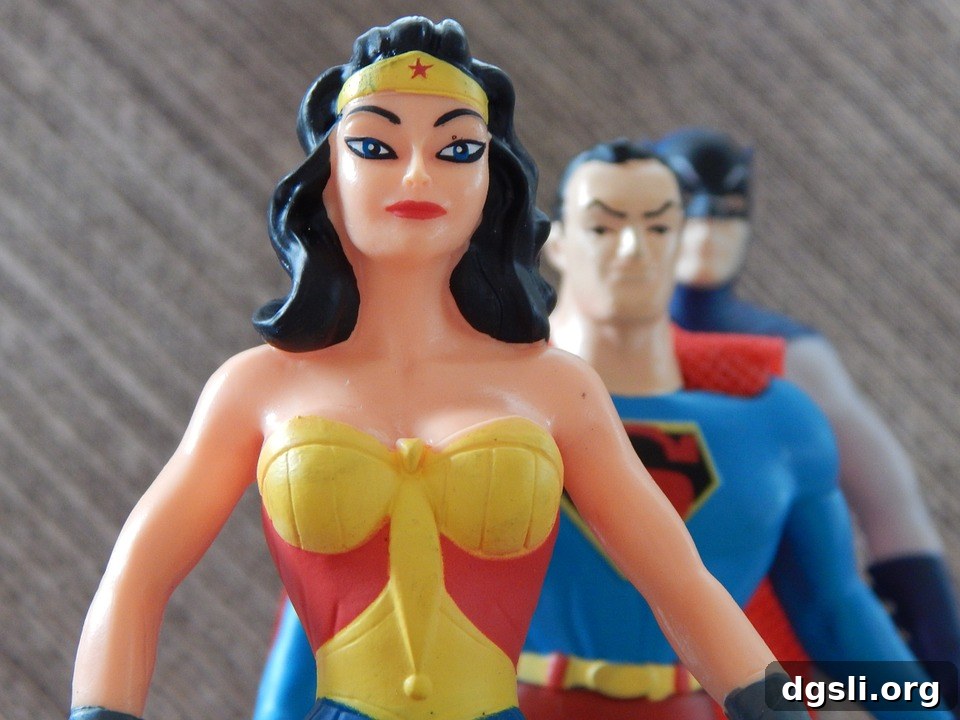
Stories shape how we see the world. Long before written language, people passed knowledge and values through storytelling. For generations, however, the stories about scientists, mathematicians, engineers and technologists were largely focused on men. That omission has left many children—girls in particular—without visible role models in STEM (science, technology, engineering and mathematics).
The recent attention to films like Hidden Figures highlighted how powerful it is to bring these stories forward. The film resonated because it revealed accomplishments and lived experiences that had been largely overlooked. Now is the moment to stop hiding the contributions of women in STEM and to make their stories a regular part of classrooms, libraries and family conversations so the next generation can see themselves reflected among scientists and engineers.
Why representation matters
Research and workforce data show that girls and young women, especially women of color, benefit when they see relatable role models in STEM careers. While many children could name historical male figures such as Albert Einstein or modern icons such as Steve Jobs, far fewer can name living women working in science and technology. Classroom lessons that feature female STEM pioneers and contemporary professionals can expand students’ sense of possibility.
Key statistics to know
- Women account for 56 percent of the college-educated U.S. workforce but only 29 percent of the science and engineering workforce.
- Women hold about 30 percent of professional computing jobs, and less than 5 percent of those in computing are women of color.
- Onscreen representations of women in STEM are often limited or narrowly portrayed; many female STEM characters in media are shown primarily in medical roles.
- Fewer than half of female characters on television are depicted in their professional environments.
- The report “Portray Her: Representations of Women STEM Characters in Media” finds that men comprise 62.9 percent of STEM professionals shown in media, outnumbering women nearly two-to-one.
How educators, parents and communities can help
Begin by introducing children to a wide array of STEM role models—historical pioneers and modern practitioners alike. Tell stories about Ada Lovelace, recognized as an early computer scientist, and about Eunice Foote, who first identified warming properties of carbon dioxide. Make these narratives part of regular classroom instruction, read-alouds and library collections so that girls see female protagonists in science and math as commonplace, not exceptional.
Practical steps include curating biographies and autobiographies of women in STEM, inviting local STEM professionals to speak or mentor, creating classroom displays that highlight diverse careers, and using project-based learning to connect students to hands-on STEM work. Celebrate both the breakthroughs and the everyday contributions of women in labs, plants, farms and tech companies to broaden students’ understanding of where STEM happens.
Programs and resources to explore
There are many organizations and initiatives working to highlight women in STEM. Examples include:
- Women@Energy — profiles of women working in the energy sector and their career paths.
- Women@NASA — a collection of essays and videos from women across the agency who contribute to NASA’s missions.
- Women in Ag — profiles of farmers and agricultural professionals who apply science and technology in food production and bioenergy.
- Legacies of American Women (National Park Service) — stories connecting women’s contributions, including those with STEM backgrounds, to national parks and public lands.
- National Science Foundation — funds research and programs that support broader participation in STEM and provide tools for recruitment and retention.
Use these resources to bring diverse female STEM stories into classrooms, family reading time and community programs. Share profiles, books and short videos that give children regular exposure to women scientists, engineers, technologists and mathematicians.
About the Authors
Erin Twamley and Joshua Sneideman are educators and co-authors of nonfiction children’s books focused on Science, Technology, Engineering and Math. Their most recent book, Everyday Superheroes: Women in STEM Careers, shares the stories of 26 diverse women working in STEM. Erin supports schools with author visits and S.T.E.M. learning experiences designed to encourage the next generation of STEM professionals. Contact: [email protected]
This article was originally published by The Learning Counsel, a research institute and news media hub focused on the transition to digital curriculum in education.