Guest article written by Sara Stringer
The House of Representatives has voted to repeal key provisions of the No Child Left Behind (NCLB) law, a move that has ignited intense debate over the role of the federal government in public education. The Republican-backed measure, presented as the Student Success Act, seeks to reduce federal mandates on testing and school accountability and return greater authority to state and local school districts. Supporters argue the change restores local control and encourages innovation, while critics warn it could weaken protections and consistent standards for students across the country.
The legislation passed the House largely along party lines, with a 221-201 vote that recorded no Democratic support and included 12 Republican dissenters. Opponents in the teaching profession and in Congress characterize the bill as a rollback that would let states escape needed accountability. The Obama administration signaled a veto threat, describing the proposal as a step backward for efforts to prepare students for higher education and to support underperforming schools.
Democrats in the Senate are preparing their own alternative, reflecting the divided approach to education reform on Capitol Hill. The Senate version focuses on granting states more flexibility while preserving the U.S. Secretary of Education’s authority to approve state plans. Proponents of this hybrid approach argue it balances local control with federal oversight to protect student equity and maintain minimum standards.
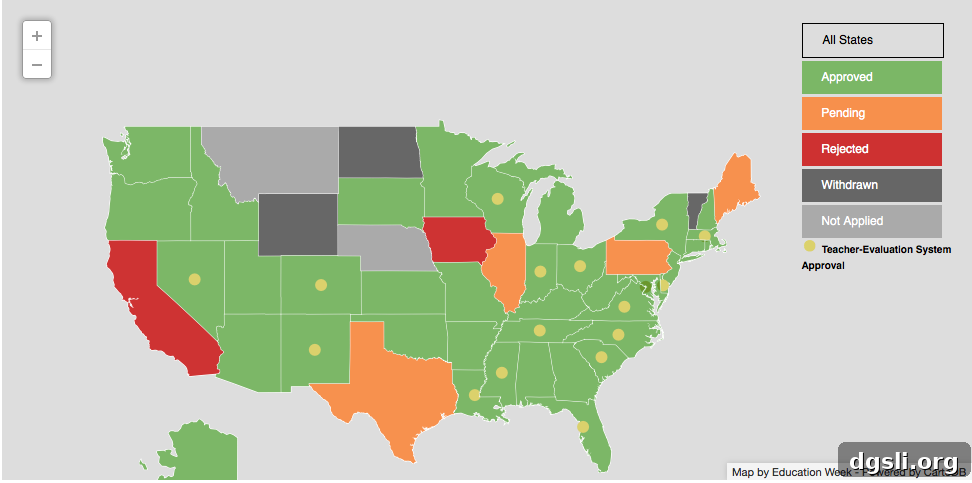
Partisanship has underscored disagreements about NCLB’s legacy. Many policymakers and educators agree the original law—enacted in 2001 with strong support from President George W. Bush—needed substantial revision. NCLB’s most controversial requirement was that all students demonstrate grade-level proficiency in reading and math by 2014, a target many now view as unrealistic without additional resources and support. That pressure led the Obama administration to offer waivers to states that presented federally approved reform plans, a stopgap that allowed states to pursue different accountability systems. According to federal reports at the time, 39 states sought and received waivers under that process.
Teachers and school leaders continue to voice concerns about the consequences of high-stakes, federally mandated testing. Critics say an emphasis on standardized tests encourages “teaching to the test,” narrowing curricula and reducing opportunities for deeper learning, creativity, and individualized instruction. Educators often point to the complexity of classroom dynamics and varying student needs, arguing that a one-size-fits-all testing regime can misdirect school priorities and counteract genuine efforts to foster long-term academic growth and critical thinking skills.
Supporters of reform stress that shifting decision-making to states and districts can stimulate innovative classroom models and improved interventions for struggling schools. They argue local educators are better positioned to design assessments and improvement strategies tailored to community needs. At the same time, many education advocates insist that flexibility must be paired with safeguards that ensure low-income and disadvantaged students receive the support they need to succeed.
The debate over NCLB has played out not only in Washington but in classrooms and school board meetings across the country. Charter and traditional public schools alike have grappled with balancing accountability and instruction. For example, longstanding institutions such as Carousel Day School have highlighted the need for varied instructional models that provide individual attention in busy classrooms, rather than a singular focus on standardized test results.
As Congress moves forward, stakeholders remain split on the best path to meaningful education reform. The House Education and the Workforce Committee praised the House measure for restoring state flexibility and encouraging educators to pursue new strategies for improving student outcomes. Opponents fear it may erode consistent expectations and protections for students who rely on federal oversight to ensure equal educational opportunity.
What is clear is that a major overhaul is overdue: policymakers, educators, parents, and students all agree the existing system requires significant change. The challenge for legislators will be to craft a policy that balances state innovation with federal guarantees, fosters teacher professionalism, and prioritizes authentic learning over test-centered instruction.
NCLB Waivers: A State-by-State Breakdown (map courtesy of EdWeek)