
A Teacher’s Hope After Newtown
Written By: Robyn Shulman
Throughout my years in the classroom I rarely called the children “students.” They were my kids. I poured myself into keeping them safe, knowing that caring deeply for children is not a flaw but a responsibility. Early in my career a principal told me I cared too much. After the Newtown tragedy, it is impossible for me to imagine any parent, administrator or teacher showing too much concern for the children in their care.
Some colleagues called me overprotective. I was the teacher who counted heads multiple times on field trips, insisted that children hold hands at the zoo, declined activities that felt unsafe, and followed up whenever something didn’t sit right with me. Kids sometimes teased me for acting like their mom. I never minded. I experienced a lockdown, reached out to families when I saw warning signs, and once prevented a student from meeting an adult she had been communicating with online. That intervention may have saved her life. Those experiences shaped my conviction that vigilance and care matter.
The events in Newtown reopened many of those memories and reminded me of the gravity of the responsibility we have for children—our most precious gifts. The faces and names of those lost are images we must hold with honor and respect. Their memory should never be exploited for political gain; instead, it must guide us toward constructive action.
This tragedy affected countless people on multiple levels. Our nation felt shocked, angry, afraid, and profoundly changed. Yet even amid grief, we can choose hope and meaningful change. Below I share what I hope will come from such a painful chapter, with the aim of honoring victims, supporting families, and improving safety and well‑being for children everywhere.
I hope this never happens again. I hope communities, schools, and leaders commit to preventing any repetition of such violence.
I hope the beautiful faces and names of the children lost remain a source of remembrance and compassion, not a tool for political division.
I hope the heroism of administrators and teachers who gave their lives protecting children is never forgotten. Their courage must inform how we honor and support school staff going forward.
I hope the families of Newtown find a path to peace and a place of steady comfort in time. Grief is long and individual; communities must offer ongoing support, not just immediate sympathy.
I hope we learn more about mental health and address it proactively. Better access to care, earlier intervention, and compassionate assessment of those in crisis could help prevent future tragedies. Recognizing and supporting those who suffer silently must be a priority.
I hope communities become better at noticing people who are struggling and take thoughtful action rather than dismissing warning signs. A culture of attentive support can make a life‑saving difference.
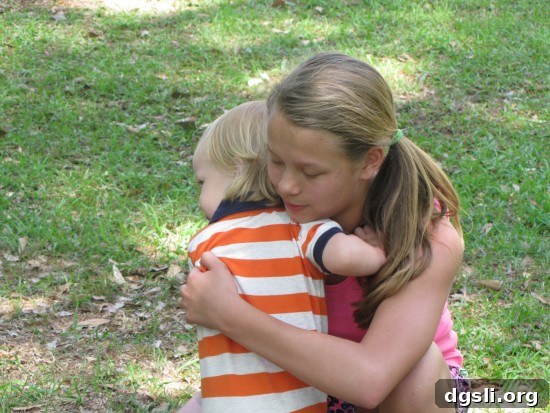
I hope we cherish every moment with our children—holding hands, listening closely, putting away distractions, and making real time for family. One more hug, one more conversation at the dinner table, a phone set aside to be fully present: these simple, everyday acts convey love and security that matter more than we often realize.
I hope our society recognizes and supports the majority of teachers and administrators who enter education out of a genuine desire to help children grow and thrive. They deserve respect, resources, and the trust of the communities they serve.
My deepest wish is that the grief we carry becomes a catalyst for more love and kindness. May the memory of those we lost spark a chain reaction of compassion—moving across towns, cities, and countries—so that children everywhere can grow up safer, loved, and supported.
May all who mourn find moments of peace, and may families and communities discover strength in each other during this time. Let us honor those lost by committing to protect, cherish, and listen to the children in our lives.