
Originally published on CMRubin World. Reproduced here with permission. All photos courtesy of CMRubin World and Apollo.
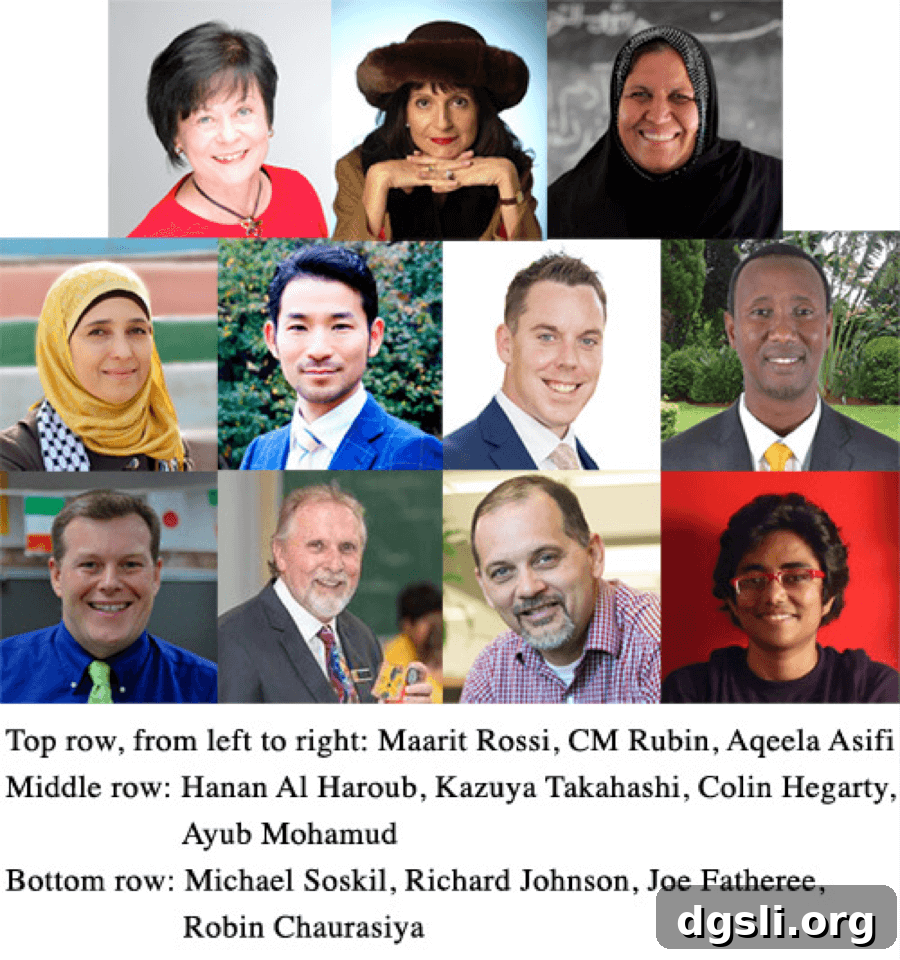
Meet the ten teachers who reached the Final Ten shortlist for the Varkey Foundation’s Global Teacher Prize 2016, selected from 8,000 nominations across 148 countries. They are Aqeela Asifi, Ayub Mohamud, Colin Hegarty, Hanan Al Hroub, Joe Fatheree, Kazuya Takahashi, Michael Soskil, Richard Johnson, Maarit Rossi, and Robin Chaurasiya.
The winner will be announced during an evening ceremony on March 13 at the Global Education and Skills Forum in Dubai, where one teacher will receive the $1 million international prize. Finalist Kazuya Takahashi says being among the Top 10 confirms he “made the right choice to become a teacher,” and that the recognition highlights the many “great and inspiring colleagues around the globe.” He adds, “We teachers can work together to have a huge impact on the next generation.”
Around the world, parents, students and policymakers understand that high-quality teaching is essential. How can we raise the prestige of teaching so it attracts talented professionals? How do we draw skilled people from higher-paying fields into classrooms, retain the best teachers, and ensure they serve where they are most needed? Here, the Global Teacher Prize finalists offer their perspectives on strengthening the profession and improving teacher recruitment and retention.
Colin Hegarty: To make teaching a more prestigious career, we must share the powerful, positive stories of the remarkable work teachers already do. Those stories—shared with students, parents, colleagues and the broader community—demonstrate the profound influence teachers have on lives. Stories resonate emotionally and can both celebrate current educators and inspire communities to value teachers, helping to attract outstanding people into the profession for future generations.
Hanan Al Hroub: Teachers are a powerful force for social change; they shape productive, engaged generations. To strengthen the profession we must implement thoughtful plans that provide prestige, respect, decent working conditions and fair salaries. When teaching is treated as a respected and secure career, more graduates will view education as a viable long-term profession, on par with medicine, engineering and law.
Richard Johnson: Competitive salaries and improved working conditions will attract bright, creative minds to teaching and elevate the profession’s profile. We must address the problem of “teaching to the test” by encouraging project-based, technology-rich learning that makes education more engaging and effective. Retention begins with better selection: robust interview and hiring processes should identify candidates who have the passion and temperament for teaching.
Aqeela Asifi: Teaching gains prestige when communities recognize its importance. Investing in education and giving teachers a sense of stability and value will help keep them in the profession. When teachers believe their career offers a secure future and meaningful service to their communities, they are more likely to stay and contribute long-term.
Maarit Rossi: We must transform the negative image of teaching into one that is desirable and prestigious. School reforms often fail to allocate sufficient funds, leaving teachers overburdened. Administrations should provide the resources and support teachers need. New teachers need thorough introductions to school practices and mentoring in their first year. When salaries reflect the profession’s importance, society signals that teaching is valued; in many countries teacher pay remains lower than that of comparable professions.
Joe Fatheree: Public perception must shift so teaching is seen as prestigious enough to attract top talent. Respect is often missing for professional educators. While career pathways, pay and working conditions matter, prospective and veteran teachers most want their efforts and opinions to be recognized and respected by the wider community.
Michael Soskil: Effective leaders understand that inspired, empowered teachers are more productive. Yet many reforms focused on standardization and centralized control have disenfranchised educators, treating them as implementers of externally designed programs rather than professional partners. To attract and retain talent, education systems must treat teachers as professionals—offering inspiration, support and autonomy—and make students, teachers, parents, administrators and policymakers collaborative partners rather than participants in a top-down hierarchy.
Ayub Mohamud: Elevating teaching requires investment in creativity and innovation for both teachers and students. Making the profession rewarding and financially viable enables teachers to nurture future innovators who solve local challenges and create sustainable ventures. Stronger ties between schools and business leaders can also support knowledge exchange and help teachers develop skills that enhance classroom practice.
Robin Chaurasiya: Speaking from the Indian context, teaching too often becomes a default choice—“if all else fails”—which undermines quality and accountability. Many fellowship programs are short-term fixes rather than pathways to sustained careers in education. Young people choosing careers are discouraged by underinvestment in teachers and unrealistic demands, such as handling classes of 50–100 students or bridging five to ten years of learning gaps. To retain talent, systems must invest in manageable workloads, ongoing professional development and long-term career pathways.
Kazuya Takahashi: There’s no single solution. Education has the power to change the world, and partnerships between teachers and business can multiply that impact. For example, when students collaborate with social entrepreneurs, they learn how business can be a force for social good. Strengthening ties between schools and the private sector could inspire a new movement where education and business leaders work together to elevate the status of teaching and cultivate kind, passionate leaders who value education as much as enterprise.