
How Any Kid Can Start a Business: Making Youth Entrepreneurship Go Viral
Entrepreneurship is rarely taught in K–12 education and is still uncommon across college curricula. For many young people in the United States, current school offerings don’t reflect the skills needed in the 21st century. The conversation about education and entrepreneurship is growing, and several influential voices are working to reshape the narrative by introducing business concepts and practical strategies earlier in a child’s life.
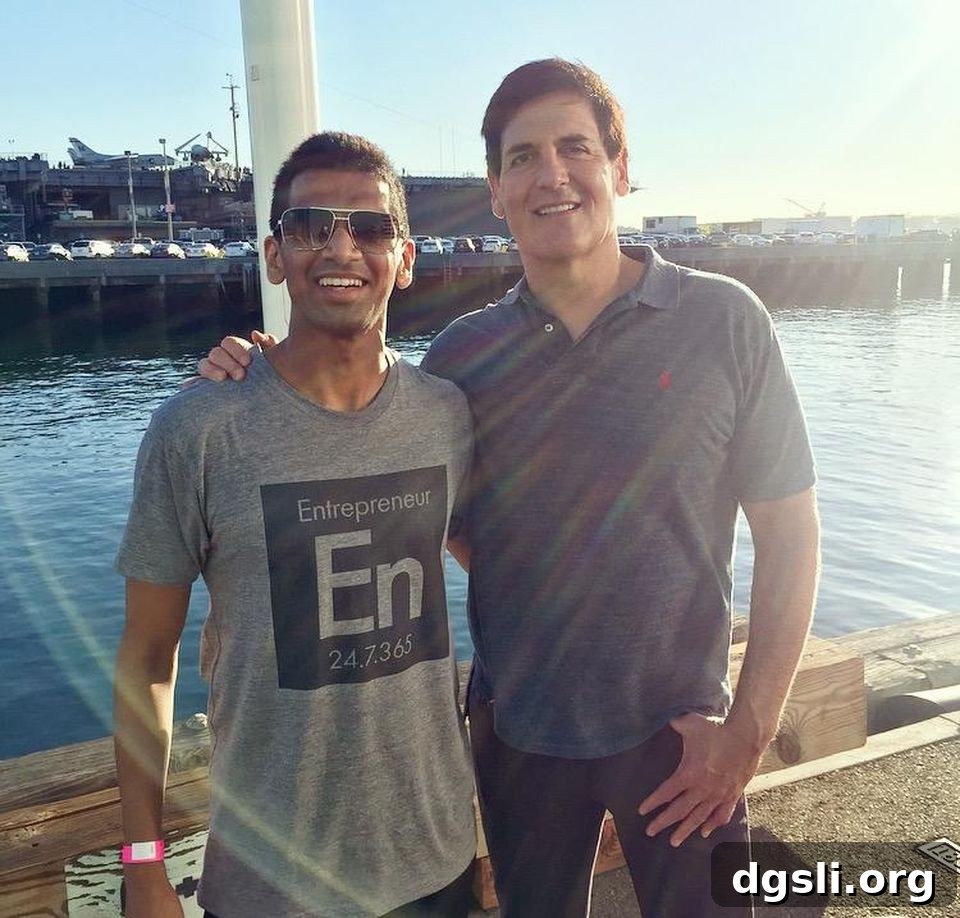
Shaan Patel and Mark Cuban.
About the Book and Authors
Mark Cuban, the owner of the NBA’s Dallas Mavericks and a regular investor on Shark Tank, co-authored How Any Kid Can Start a Business to inspire children to explore entrepreneurship. He wrote the book with Shaan Patel, founder of Prep Expert and a Shark Tank success story, and Ian McCue, a teen entrepreneur who started the tech summer camp company Spark Skill.
Shaan Patel is known for his test-prep business, Prep Expert SAT & ACT, which earned him a $250,000 investment from Mark Cuban on Shark Tank in 2016. Since then, Prep Expert has grown into a multi-million dollar business. Ian McCue launched Spark Skill at age 15 after disappointing experiences at other camps; by age 17 he had expanded to multiple locations and reached significant revenue milestones while planning further growth.
What the Book Offers
How Any Kid Can Start a Business is aimed at children roughly ages 7–11. It combines engaging activities with ten practical business ideas that are suitable for kids. The book also includes business templates, step-by-step instructions, and interviews with young entrepreneurs, helping readers move from idea to action. The goal is to make entrepreneurship feel accessible, exciting, and achievable.
The Importance of Youth Entrepreneurship
Entrepreneurship fuels innovation and drives new solutions in every industry. As Mark Cuban explains, everything around us that isn’t naturally occurring was invented and sold by someone—entrepreneurs are the people behind those innovations. Teaching kids about entrepreneurship early gives them the tools to imagine, build, and sell solutions, rather than only pursuing traditional career labels they may not fully understand.
Motivation and Goals
The idea for the book began when Ian McCue approached Shaan Patel with the concept of creating a kid-friendly entrepreneurship guide. When Patel shared the plan with Mark Cuban, Cuban immediately wanted to participate. The authors saw a gap: when children are asked what they want to be when they grow up, responses are often “doctor,” “engineer,” or other familiar professions—“entrepreneur” rarely appears because most kids don’t know what that path looks like.
The book has two primary goals:
- Teach children the practical steps of starting a business—skills they typically won’t learn in school.
- Introduce entrepreneurship early so children grow up seeing business ownership as a viable and rewarding path, potentially leading to life-changing companies in the future.
How the Ideas Were Chosen
The ten kid-friendly business ideas in the book came from the authors’ own experiences and from crowdsourcing suggestions through social channels. Examples range from simple neighborhood services to technology-related offerings that leverage kids’ natural interests. Patel notes that ideas like “Senior Tech Help” would have been appealing when he was young, since many adults needed help with computers and the internet.
Writing and Feedback
Working with Mark Cuban, Patel says, was similar to running a business: Cuban expects high standards, pushes against assumptions, and won’t accept mediocrity. To refine the book, the team piloted content in classrooms and gathered feedback from both students and teachers to ensure clarity, engagement, and usability in educational settings.
Marketing and Outreach
Early promotional activities included focus groups, book readings, signed-copy giveaways, and media interviews. Ian McCue promoted the book through his STEAM summer camps and by sharing the message in interviews. Future plans include launching a blog that shares stories of real kid entrepreneurs, additional giveaways, school visits, and book signings tied to the academic calendar.
The authors emphasize word-of-mouth as a core strategy: if the book is genuinely helpful, sales should grow organically as readers recommend it to others.
Practical Advice for Kids and Teachers
Patel stresses that kids don’t need much capital, a storefront, or employees to start a small, successful venture. Entrepreneurship can begin with simple, local offerings that solve a real problem. For teachers, the most effective approach is hands-on: have students actually launch a small business project, then help them optimize and iterate on their ideas. Real-world experience is far more instructive than abstract lessons alone.
Final Thoughts
The authors aim to shift the educational paradigm by making entrepreneurship more visible and accessible to young people. By sharing practical ideas, templates, and real success stories, How Any Kid Can Start a Business seeks to spark curiosity, confidence, and action in children—so more young people will view entrepreneurship as a viable path and begin building businesses that could have lasting impact.
As Patel teases about his own next venture, the broader mission remains clear: equip the next generation with the mindset and skills to create, sell, and innovate.