
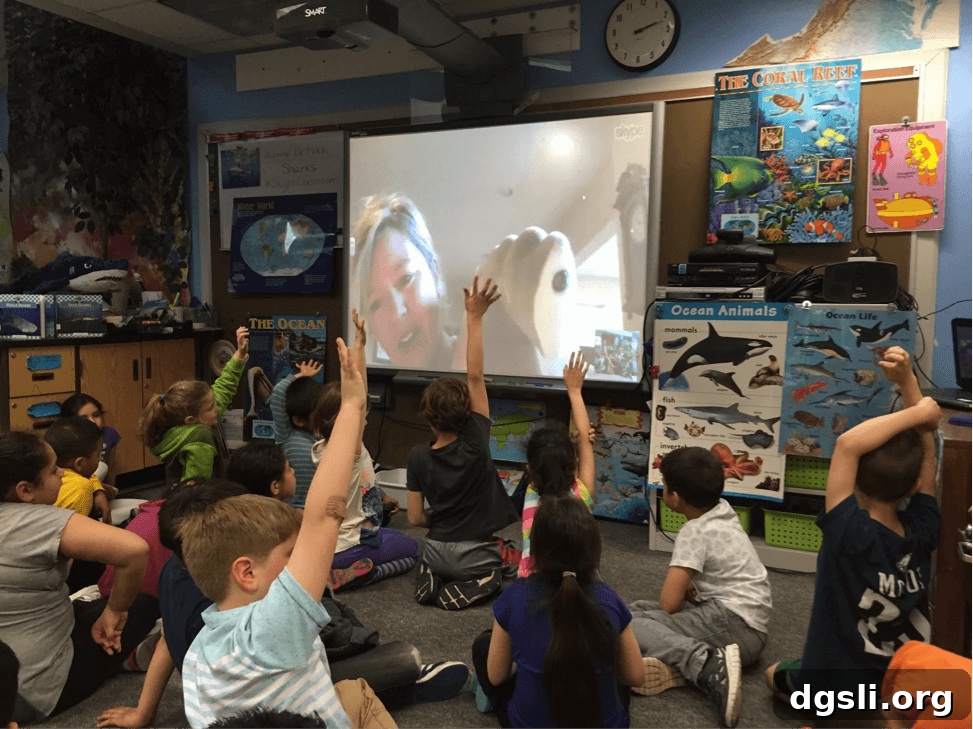
Op-Ed, Dr. Mikki McComb-Kobza
Ocean First Education
There have been important advances in integrating technology into classroom teaching, reshaping how students learn and how teachers deliver content. As schools embrace online and blended learning models, educators can reach today’s digital-native learners and prepare members of the future workforce more effectively. As both an educator and a marine biologist, I spend many of my teaching days outside a traditional classroom — often my classroom is the ocean itself.
The US Department of Education has observed that online learning and the use of open educational resources and other technologies can raise educational productivity by accelerating learning and reducing costs for instructional materials and programs. These tools create new pathways for reaching students, expanding access to high-quality content, and enabling personalized, engaging learning experiences.
Historically, barriers to using technology in education have included limited access to devices and connectivity, teachers’ comfort and training with new tools, and the sheer bandwidth required to design and deliver effective digital lessons. My work over the past two years has focused on breaking down those barriers. Through virtual field trips and interactive programs, I have worked with roughly 80,000 students across 36 countries, bringing marine science directly into classrooms and homes. These sessions allow students to learn, ask questions, and interact in real time, making complex concepts concrete and relevant.
The ocean influences daily life in profound ways: moderating climate, producing oxygen, and supporting food systems. Understanding these connections is essential for young people, many of whom are naturally curious and adept at finding information online. By introducing meaningful science experiences early, we can cultivate environmental stewardship and equip students with the critical thinking skills they will need as future leaders, whether or not they pursue science as a career.
My own passion for the ocean began in childhood during family vacations. A pivotal moment came when I was seven and terrified by the movie Jaws. To overcome that fear I read about sharks and discovered they were not the monsters portrayed on screen. That curiosity grew into a lifetime pursuit: studying sharks, completing a Ph.D., and dedicating my career to education and conservation.
For the past 14 years I have focused on teaching students, with a special emphasis on encouraging young girls to pursue science. The number of girls participating in marine expeditions and programs is inspiring and gives me hope that the gender balance in science will improve. Still, ocean science is not widely taught in many U.S. schools, which leaves a gap in public understanding of issues such as climate change, seafood security, and plastic pollution. Filling that gap is essential to informed public discussion and to empowering future decision-makers.
My teaching approach is flexible and student-centered. Some days I present hands-on lessons about sharks and conservation in a classroom; other days I lead high school students on at-sea research expeditions. Technology expands these possibilities: 360-degree video and virtual reality let students explore underwater habitats without leaving the classroom, and live video calls connect students with researchers in the field. These varied methods complement traditional instruction and help students form a deeper, more personal connection to marine life.
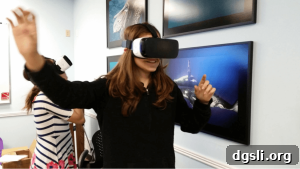
360 goggles help students dive into the ocean without leaving the classroom
Combining online and field learning creates a powerful learning model. Interactive webinars, virtual field trips, 360-degree videos, and online courses can introduce concepts and spark curiosity. Field experiences then deepen understanding through hands-on investigation and real-world observation. This blended approach removes traditional barriers to science education, invites active participation, and demonstrates that science can be accessible and fun for students from diverse backgrounds.
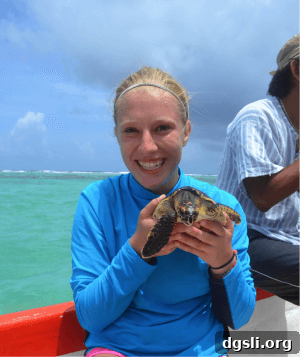
Conducting sea turtle research in Mexico
To inspire conservation and scientific curiosity, educators should embrace a variety of instructional methods that match how digital natives learn. Practical applications of this approach include school visits with hands-on activities, live virtual interactions with researchers, immersive media that brings ecosystems into the classroom, and field excursions that connect theory to practice. These strategies broaden access and help students envision themselves as contributors to scientific discovery and conservation.
Key takeaways for educators teaching today’s digital natives and future workforce:
- Recognize that digital-native learners benefit from diverse instructional approaches.
- Adopt multiple methods—hands-on, virtual, and blended—to reinforce learning.
- Explore educational technology tools and content that bring your subject to life.
- Promote interaction—through live calls, immersive video, and field experiences—to supplement textbooks and online coursework.
Bio: Mikki McComb-Kobza is dedicated to sharing her love of the ocean, the joy of exploration, and the importance of science. Sustainability guides her work, and she believes small actions can have meaningful positive impacts. Her research focuses on the ecological physiology of sharks, skates, and rays, and she advocates for their conservation through outreach and education. Mikki leads programs with Ocean First Education and serves as Executive Director of the Ocean First Institute. She holds a Ph.D. in Integrative Biology from Florida Atlantic University and is the author of multiple scientific publications. Her outreach has been featured in film, magazines, and radio programs, and she has worked with institutions and research teams in the Americas, Africa, Asia, and Australia.