
Guest article by Stephen Lewis
It only takes a few seconds for a fallen sandwich to become contaminated. While five seconds may seem trivial to a child reaching for a lost snack, microbes don’t need that long to transfer onto food. That small moment can be enough to spread bacteria or viruses—especially in environments where children gather every day.
Children are especially vulnerable to infections. Young immune systems are still maturing, and many kids are not fully vaccinated against seasonal illnesses. Public spaces children use most—classrooms, cafeterias, play areas, and restrooms—often harbor high levels of bacteria and viruses. Even routine surfaces such as floors beneath sinks and toilets, or classroom desks, can serve as reservoirs for pathogens.
Making positive health and safety changes in schools
Recent influenza seasons have shown troubling trends in pediatric illness and mortality. In one recent season, pediatric flu deaths rose to a level that exceeded previous records. Much of this increase is associated with low vaccination rates among children and the greater susceptibility of younger immune systems. But influenza is only one of multiple threats that move easily through school populations.
Drug-resistant bacteria such as MRSA (methicillin-resistant Staphylococcus aureus) survive on surfaces for long periods and can spread quickly where children are in close contact or share items. MRSA infections contribute to thousands of cases nationwide and thousands of deaths annually. While many children recover, some experience severe complications or long-term health effects.
Foodborne illnesses—caused by pathogens like E. coli, salmonella, and others—are another major concern. The Centers for Disease Control and Prevention estimates that foodborne pathogens sicken a substantial portion of the population each year. Inadequate food handling, improper preparation, and contaminated surfaces increase the risk inside school kitchens and cafeterias.
Even the familiar common cold contributes to lost learning time and reduced classroom performance. Studies show that germs can be removed from surfaces but often return quickly if cleaning is infrequent. Many classroom desks and common-use areas are cleaned rarely, which creates recurring opportunities for transmission.
Creating a hygienic learning atmosphere
School administrators and daycare managers can significantly reduce infection risks by adopting a comprehensive, consistent approach to cleaning and infection control. A strategy focused only on short-term cost savings or sporadic cleaning leaves gaps that pathogens will exploit. A robust infection control plan can lower absenteeism and limit outbreaks, protecting students, staff, and families.
Practical, evidence-based steps can make a real difference. The following recommendations prioritize routine disinfection, food safety, and environmental controls that limit pathogen survival and spread in schools.
1. Clean high-touch surfaces frequently.
Regularly disinfect whiteboards, desks, doorknobs, light switches, tabletops, and play equipment. A weekly or monthly wipe-down is not enough; high-touch areas need frequent, documented cleaning with appropriate disinfectants. Train custodial staff and make cleaning a coordinated responsibility to maintain consistent standards across the facility.
2. Strengthen kitchen and food-safety practices.
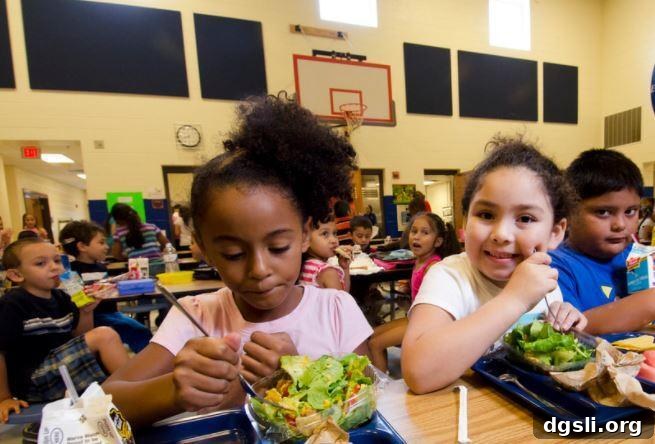
Ensure anyone handling food is trained in safe food preparation and storage. Promote handwashing before and after meals, and supervise serving areas to prevent cross-contamination. Provide clear guidance to volunteers and outside vendors so that everyone follows consistent, government-recommended food-safety procedures.
3. Maintain a dry environment.
Many pathogens thrive in humid conditions. Keep indoor humidity under control with dehumidifiers and well-maintained HVAC systems. Choose cleaning methods for carpets and soft surfaces that minimize excess moisture—dry-cleaning techniques reduce the chance that bacteria and mold establish themselves in textile surfaces.
4. Prioritize HVAC maintenance and air quality.
Good ventilation reduces the concentration of airborne pathogens and improves overall indoor air quality. Regularly replace filters, inspect ducts, and use appropriate filtration to reduce recirculated contaminants. Improved ventilation benefits everyone, especially students and staff with asthma or allergies.
Ultimately, small daily practices add up. Throw away food that has fallen on the floor rather than encouraging reuse, reinforce hand hygiene, and keep shared spaces cleaned on a routine schedule. Over time, these measures reduce outbreaks, lower absenteeism, and create a healthier environment for learning.
Stephen Lewis is the technical director at milliCare, where he oversees equipment, procedures, and products for floor and textile cleaning. A certified senior carpet inspector and IICRC master textile cleaner, Stephen has worked with milliCare for nearly 30 years and focuses on practical, science-based cleaning solutions that protect health and extend the life of facility assets.