

Guest Article by: Pete Wheelan, CEO of InsideTrack. This is the first article in a two-part series. Stay tuned shortly for the second piece.
Recent surveys suggest growing doubt about the value of a college degree. A Gallup poll found that only 38 percent of recent graduates believe their education was worth the cost of tuition. Satisfaction was lowest among those who graduated between 2006 and 2015, and students who attended more expensive institutions reported lower satisfaction rates overall.
That skepticism is understandable. Tuition and related costs have climbed far faster than most household incomes. In the 2015–2016 academic year, average tuition and fees at public four-year colleges reached about $9,410, a dramatic rise compared with prices in earlier decades. When books, housing, and additional living expenses are added—and when many students take longer than four years to complete a degree—the overall cost of a college education can be daunting.
Student debt compounds the perception problem. Research from financial institutions and policy analysts has shown that some graduates require many years to pay off a bachelor’s degree; one study estimated typical repayment periods extending into the late twenties or early thirties for many borrowers. If students face long-term debt, they understandably expect clear evidence that their education will yield a strong return in employment and earnings.
Pressure for transparency and measurable outcomes is coming from consumers and policymakers alike. The White House and other public authorities have urged colleges to provide clearer information about student outcomes so prospective students and families can make informed choices. Institutions that want to demonstrate and improve their value should focus on practical changes that align academic programs with career outcomes and student success. Below are two key strategies that institutions can adopt immediately; a second article will cover additional approaches.
1. Integrate career readiness throughout the student experience
Employment outcomes for recent graduates remain a central concern. Unemployment among recent degree holders has been substantially higher than among more experienced graduates. To address this, colleges should make career preparation a continuous part of the student lifecycle—from recruitment and orientation through graduation and the transition into work or graduate study.
Career readiness is not mutually exclusive with a broad liberal education. Faculty and institutional leaders can—and should—combine intellectual development with professional skill-building. Students benefit from explicit instruction in professional communication, teamwork, interdisciplinary problem solving, presenting ideas, and other workplace competencies that employers routinely seek.
Colleges should also create meaningful, employer-connected experiences. Internships, part-time jobs, and applied projects give students a practical context for what they learn in the classroom and improve their chances of securing full-time employment after graduation. Research has shown that graduates who gained real-world work or internship experience while in college are more likely to be employed full time than those who did not have such experiences.
Some institutions have built strong practices that other schools can adapt. For example, Wake Forest University has produced high post-graduation employment and graduate school placement rates by embedding career readiness across campus in several ways:
- Marketplace tools: Online resources help students learn about typical entry-level roles, current openings, internships, and industry leaders to follow for insights.
- Career treks: Organized visits to major cities and employers let students tour workplaces, engage directly with professionals, ask questions, and build networks.
- Targeted internships and advising: Platforms that match opportunities to students’ interests and track relevant openings help students find internships aligned with their goals.
Not every college needs to replicate these tactics exactly. But most institutions can adapt similar practices—scalable online tools, employer engagement, and targeted advising—to connect students to work experiences that boost employment outcomes and demonstrate the institution’s value.
2. Implement clear, guided pathways to degree completion
Many students struggle to choose a major or understand the sequence of courses that will lead to graduation. When students face dozens of options and unclear program structures, they may default to safe choices or take courses that do not apply to their intended degree—wasting credits, time, and money.
Guided pathways simplify decision-making by helping students select reasonable academic plans early and by mapping out the exact sequence of courses and milestones required to finish on time. These program maps are built with faculty and advisors so that essential courses and prerequisites are predictable and aligned with learning outcomes. Clear timelines, regular progress checks, and early assessment of academic support needs help students stay on track.
Guided pathways also address structural barriers, such as course availability and transfer credit loss, by coordinating course scheduling, advising, and transfer agreements. When students know what classes they need and when to take them—and when the institution monitors progress and intervenes quickly if a student falls behind—graduation rates tend to improve and time-to-degree shrinks.
Designing effective pathways requires close collaboration between faculty, advisors, and institutional leaders to define program learning outcomes, align curriculum, and develop systems to monitor progress and provide timely support. When institutions commit to these practices, students are more likely to complete their degrees prepared for the workforce or further study.
Stay tuned for part two.
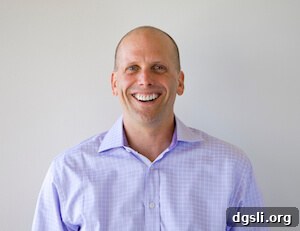
Pete Wheelan, CEO of InsideTrack, has dedicated his career to leading mission-driven, high-growth organizations devoted to helping individuals reach their potential. Before joining InsideTrack, he served as chief operating officer and chief revenue officer at Blurb, a company focused on empowering creative expression through self-published books.