

Guest Article by Dr. Cas Olivier
Please see Dr. Olivier’s new book: The DNA of Great Teachers

Teachers carry strongly held beliefs about teaching and learning—beliefs that become part of their professional identity, their teaching “DNA.” Those deeply rooted convictions shape how teachers interpret the curriculum, design learning activities, monitor progress, and support each learner’s development.
A Simple Litmus Test: Average vs. Great Teachers
One practical way to distinguish average teaching from great teaching is to observe how lessons are constructed and delivered. Average teachers often approach a lesson like building a house: they follow a predetermined plan, step by step from foundation to roof, expecting the class to follow the sequence exactly.
Great teachers, by contrast, view the curriculum as a complex jigsaw puzzle. They identify quick-win areas—parts of the material where learners can achieve early success and experience the motivating feeling of accomplishment. By designing activities that target those hotspots, great teachers enable learners to discover, create, and consolidate new knowledge while tolerating and addressing mistakes as natural parts of the learning process.
Enabling Learning Rather Than Just Delivering Information
Average teachers sometimes equate teaching with transmitting information and may prefer silent, controlled classrooms where the teacher speaks and students listen. Great teachers redefine teaching as enabling learning. They use a variety of methods—pair work, group tasks, inquiry, and guided discovery—and they intentionally manage both productive noise and quiet moments so that students are actively engaged and thinking for themselves.
Rather than simply leading at a fixed pace, the most effective teachers often act as responsive guides. They follow the learners’ progress closely, provide timely support, and step back when learners can work independently. This balance between guidance and autonomy fosters higher self-esteem, problem-solving skills, and analytical thinking.
Professionalizing Teaching: The Case for Teachership
I propose the concept of “Teachership”: a professionalized model of great teachers characterized by self-awareness, situational awareness, emotional self-management, intrinsic motivation, passion, flexibility, and the ability to sense and create meaning in learning experiences. Teachership emphasizes continual reflection, adaptation, and a deep ethical commitment to learners’ growth.
These competencies allow teachers to design learning opportunities that are both ambitious and accessible, to scaffold learning effectively, and to create classroom cultures where mistakes are treated as essential steps toward mastery rather than failures to be punished.
Practical Implications for Classroom Practice
In practice, fostering great teaching involves a few consistent habits:
- Identify early success tasks that give learners confidence and momentum.
- Design activities that invite discovery and allow for productive errors.
- Use a mix of instructional strategies to meet diverse learning needs.
- Monitor student understanding in real time and adjust instruction responsively.
- Create a classroom culture that values effort, reflection, and persistence.
When teachers adopt these practices, learners are placed “in the driving seat” of their own learning. They gain agency, develop critical thinking, and build the resilience needed to tackle more complex challenges.
Visual Summary
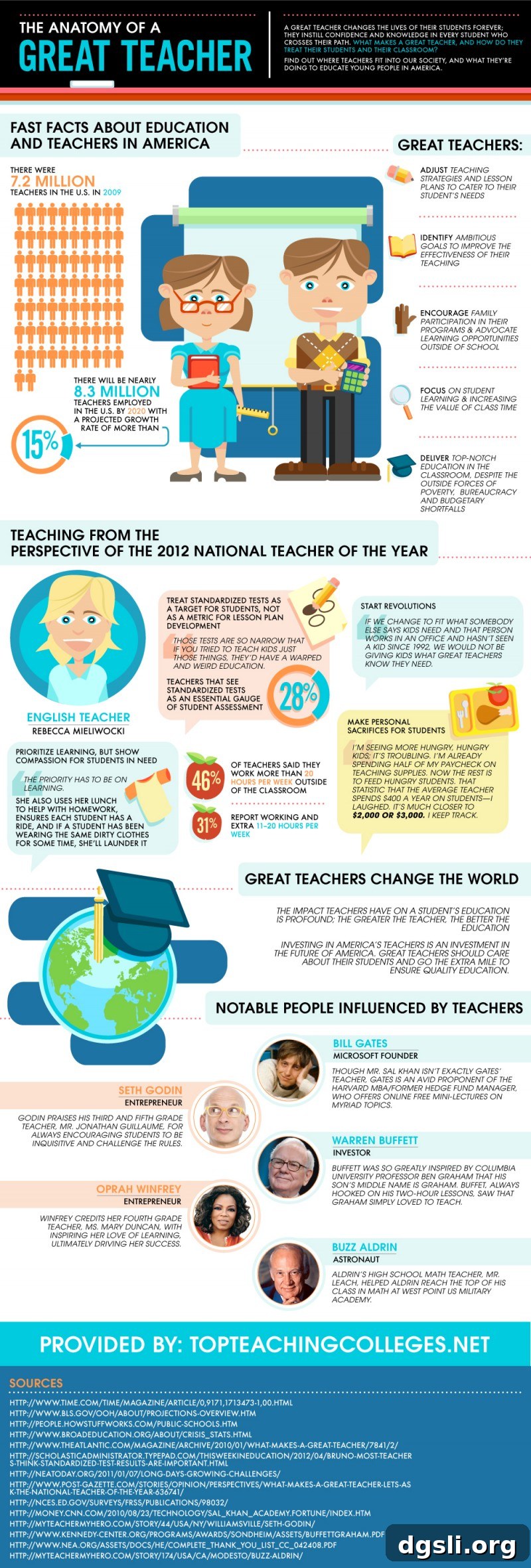
Below is an infographic that captures the key traits and behaviors of great teachers.
About the Author
Dr. Cas Olivier
Xanadu Nature Estate, Hartbeespoort
Phone: 083 259 2857 | Fax: 012 259 8011
Email: [email protected]
Provider of company-specific facilitator, assessor, and moderator training.
Opening sentence from The DNA of Great Teachers:
“I have a dream that all teachers are great teachers, empowering learners to become great learners.”
For more information about content and chapter summaries, please refer to the author’s website or published materials.