
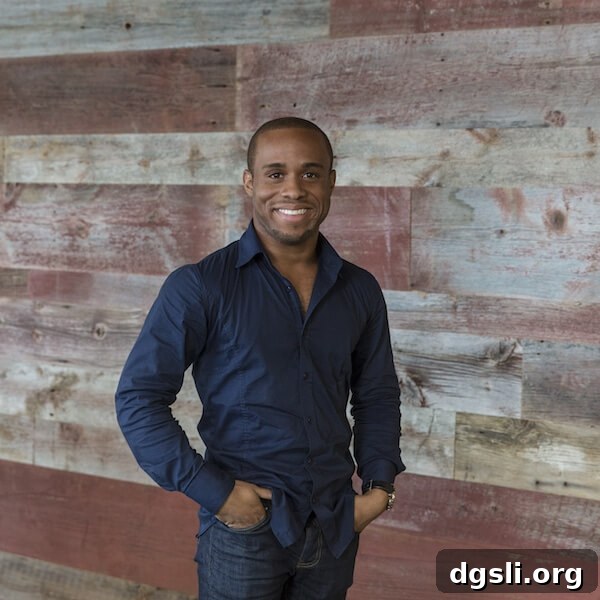
By: Robyn D. Shulman, Huffington Post and EdNews Daily
1. Chris, can you tell us about your childhood background? Also, how have social good projects played a role in your early life? Who have you teamed up with at this point?
I grew up in Birmingham, Alabama, raised by a single mother with two younger siblings. Though our family faced financial challenges, I attended a magnet high school that offered a supportive academic environment despite broader issues in the public school system. From an early age I was driven to create opportunities for others: in high school I founded Genesis, an organization designed to connect students with volunteer opportunities. That early experience in social good laid the groundwork for later ventures like Scholly; it wasn’t my first effort to build something that helped others access opportunities.
2. Have you seen Angela Duckworth’s TED talk about grit? Do you feel that grit and resilience are traits you have that have brought you great success?
I haven’t watched that TED talk, but I strongly believe grit and resilience have been critical to my journey. Coming from a low-income background and building a company that ultimately earned recognition like Forbes 30 Under 30 reflects a lot of persistence, long hours, and determination.
3. As you started researching colleges, did anyone talk to you about potential scholarships—such as a mentor or guidance counselor?
Yes. I was fortunate to have several mentors who guided me through the college and scholarship process. Their support was essential; without them I would have been overwhelmed.
4. What was college scholarship research like for you at the beginning and how did you get the idea to turn your personal journey into a business?
Growing up in an underserved Alabama community, I witnessed violence, gang activity, and a culture that often dismissed academic achievement. Motivated and talented students were frequently overlooked, and the lack of economic opportunity made success more difficult no matter how hard they worked. Determined to attend college, I spent months searching and applying for scholarships on sites like FastWeb and Scholarships.com. The process was slow and tedious: entering my information took time, then sorting through hundreds of “matches” to find ones I actually qualified for was exhausting.
Access to computers was limited—I often used library machines or brief school computer sessions, and sometimes had to submit applications from my cell phone. I would draft essays on paper before painstakingly typing them into small phone screens. Despite the obstacles, my persistence paid off: I ultimately secured more than $1.3 million in scholarship awards.
That difficult experience made it clear there had to be a better way. While an undergraduate at Drexel, I developed Scholly to streamline scholarship searches. I created an eight-parameter system that identifies the key eligibility criteria used by many scholarships. Scholly’s goal is to simplify the search process and connect students with funds to pay for college. In less than two years, the app has helped students win over $20 million in scholarship funds.
5. As a teacher and higher education professional, I will never forget the night I saw you on Shark Tank. Your passion moved all of us in our home. Please tell me about your experience on Shark Tank. What is it like working with Daymond and Lori today? How are they helping you scale Scholly?
Appearing on Shark Tank was an incredible experience. Pitching Scholly to the sharks was both exciting and humbling—several investors believed in the mission and the potential impact. Partnering with Lori Greiner and Daymond John has been immensely valuable. They provide strategic advice, mentorship, and credibility while helping to grow the business. The exposure from Shark Tank also drove significant attention: Scholly reached the #1 app position in both the iPhone and Android stores for three weeks after the episode aired, which accelerated user growth and awareness.
6. How many students have used Scholly, and how much money has been awarded?
Scholly now serves over 600,000 users, and students have won over $20 million in scholarship funds through the platform.
7. Student loan debt affects our nation socially and economically. In 2015 the numbers were staggering: more than $1.2 trillion in outstanding student loan debt, over 40 million borrowers, with an average balance around $29,000. Do you have plans to educate youth about financial responsibility—through conferences, webinars, or partnerships?
Educating students about financial responsibility is a priority for me. When I speak at events or on television, I emphasize alternatives to borrowing, including scholarship hunting. Our Give: Scholly initiative partners with states, organizations, and companies to provide Scholly access at scale. Through the Give program, organizations can purchase co-branded access codes and distribute them to their students, employees, or constituents. Companies sometimes offer Scholly as an employee benefit, non-profits provide it to the students they serve, and school systems use it for outreach. By equipping students with a better scholarship search tool, we aim to reduce reliance on student loans and help more students find free or lower-cost ways to finance college.
8. In the future, do you see mentors assisting youth with your application process—helping with essays, reviewing applications, and offering encouragement?
Absolutely. Many teachers, counselors, and mentors already use Scholly as part of workshops and guidance programs. Educators run presentations and group sessions, and some organizations purchase access for their students to supplement existing support services. Mentors who provide essay feedback and application coaching can significantly improve students’ chances of winning scholarships, and we encourage those partnerships.
Thank you, Chris, and congratulations on your platform and achievements—you are an inspiration to many.