
By Kiran Kodithala and Lee Lambert
On February 4, 2018, the Philadelphia Eagles faced the New England Patriots in Super Bowl LII. With 38 seconds left in the second quarter and the ball on the Patriots’ 1-yard line, the Eagles faced a critical decision on fourth down. Instead of settling for a short field goal, head coach Doug Pederson called a timeout and chose a high-risk, high-reward trick play. The result was the now–legendary “Philly Special”: a designed deception that culminated in quarterback Nick Foles catching a touchdown pass. That single bold call—rooted in preparation, analysis, and trust in the team—became an enduring example of how strategic risk-taking and data-informed decisions can produce game-changing outcomes.
AI and Higher Education
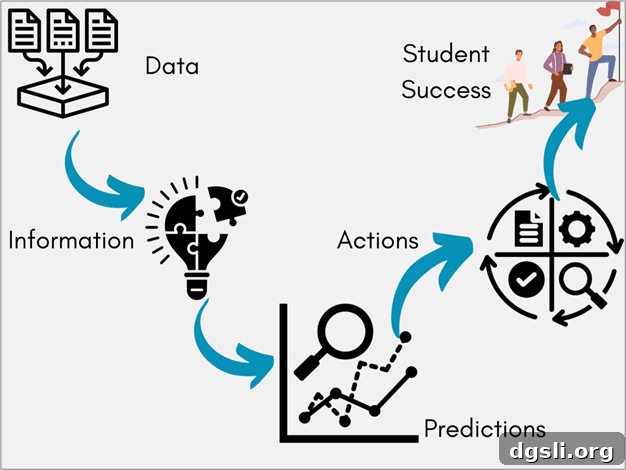
That moment on the field offers a useful metaphor for how artificial intelligence (AI) can transform higher education. Like a coach who studies opponents and prepares plays tailored to his roster, institutional leaders and educators can use AI to analyze student behavior, predict success, and personalize learning paths. When institutions combine careful study with the courage to innovate, they can move beyond conventional practices and achieve significant gains in student outcomes.
AI technologies—ranging from automation tools to large language models—work together like a coordinated team: each element brings a distinct capability. Robotic Process Automation (RPA) automates repetitive administrative tasks; data analytics reveals patterns and predicts risk; engagement tools keep students connected; and intelligent algorithms generate personalized content and guidance. When these pieces are integrated, they create a more efficient, responsive, and student-centered campus.
Team Roster: AI Roles in Education
| Position | Player | AI Support System |
|---|---|---|
| Quarterback (QB) | The Student | LangChain |
| Wide Receivers (WR) | Teaching Assistants | Learning support platforms (APIs) |
| Center (C) | Student Dashboards | Remote Access Platform (RAP) |
| Running Backs (RB) | Administrators, Advisors, Staff | RPA (Robotic Process Automation) |
| Defensive Backs (DB) | Advisors, Faculty, Staff | RAG (Retrieve-Analyze-Generate) |
| Coaches | Teaching Faculty and Academic Advisors | NLP and LLMs |
Roles Explained
Quarterback (Student) supported by LangChain: The student directs the learning journey much like a quarterback runs the offense. Tools like LangChain can connect data sources, customize prompts, and deliver relevant information that helps students make informed choices and navigate academic milestones.
Wide Receivers (Teaching Assistants) powered by learning platforms and APIs: Learning platforms act as the connectors—receiving, exchanging, and delivering information that keeps instruction coordinated. APIs allow learning management systems and student information systems to share data reliably, ensuring consistent support across services.
Center (Student Dashboards) fueled by a Remote Access Platform (RAP): Student dashboards serve as the central hub where learners access schedules, resources, and personalized recommendations. A RAP can provide secure, centralized remote access to services, much like a center stabilizes the offensive line.
Running Backs (Administrators, Advisors, Staff) using RPA: RPA automates repetitive administrative tasks—enrollment processing, scheduling, basic communications—freeing staff to focus on complex advising and strategic initiatives that require human judgment.
Defensive Backs (Advisors, Faculty, Staff) complemented by RAG: RAG frameworks retrieve relevant knowledge from institutional sources, analyze it, and generate context-aware responses. This helps staff identify patterns and intervene early to support at-risk students.
Coaches (Faculty and Advisors) empowered by NLP and LLMs: NLP systems interpret student language—questions, feedback, submissions—while LLMs create personalized explanations, study materials, and guidance. Together, they help faculty and advisors scale individualized instruction and targeted intervention.
GamePlays: AI-Driven Interventions
Drawing parallels between football plays and student success strategies helps clarify how AI can be applied in practical ways.
Offensive Gameplays (Empowering Students)
- Hail Mary (Big Push to Graduation): AI identifies students close to completing degrees and coordinates targeted interventions—advising, financial aid reminders, course planning—to help them cross the finish line.
- West Coast Offense (Short, Efficient Learning): Personalized microlearning modules and adaptive content let students progress through small, achievable steps that build mastery over time.
- Read Option (Adaptive Pathways): Based on real-time data, AI suggests alternative course paths or experiential options to align student choices with career goals and success probabilities.
Defensive Plays (Risk Management)
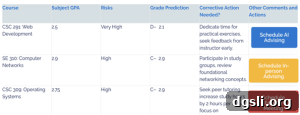
- Blitz (Rapid Intervention for At-Risk Students): Predictive analytics flag students showing early signs of struggle so advisors can intervene quickly with tutoring, mentoring, or counseling.
- Zone Defense (Broad, Preventive Support): Campuswide services—mental health, tutoring, financial guidance—are coordinated using data to ensure broad coverage for common risk factors.
- Play Action Pass (Re-engaging Disengaged Students): AI initially offers general outreach and then shifts to personalized, interest-based interventions that re-spark engagement.
A Future Powered by AI and Education
Successful AI integration in higher education requires teamwork, strategy, and strong data governance. When institutions connect data across learning management systems, student information systems, advising platforms, and administrative tools, AI can generate actionable insights: recommending courses, streamlining financial aid, optimizing scheduling, and identifying students who need help before problems escalate.
Advisors benefit from richer, earlier signals about student risk; instructors gain tools to create customized learning experiences; and leaders receive metrics that help them measure campus efficiency and strategic impact. The practical challenges—data integration, security, privacy, and ethical use—are real, but so are the potential gains in operational efficiency and student success.
Final Thoughts
Just as the Philly Special represented a bold, well-prepared strategic choice that changed the course of a game, AI offers higher education institutions an opportunity to reimagine how they support students. By combining predictive analytics, personalized learning, automated processes, and intelligent content generation, colleges and universities can create a more inclusive, effective, and efficient experience for learners. The decision to adopt these technologies should be guided by careful planning, ethical safeguards, and a commitment to improving student outcomes.
About the Authors
Kiran Kodithala is a technology leader specializing in educational technology. As founder and CEO of N2N Services Inc., he has spent more than two decades building solutions that integrate AI and secure data practices into higher education systems.
Lee D. Lambert is Chancellor of the Foothill–De Anza Community College District, with more than twenty years of senior leadership in community colleges. He is an advocate for student success, equity, and workforce-relevant education.
Glossary
- NLP (Natural Language Processing): Technology that interprets and generates human language to improve communication and engagement with students.
- LLM (Large Language Model): A machine-learning model trained on vast amounts of text to generate and understand language, useful for creating personalized learning content and guidance.
- LangChain: A framework that helps connect language models with external data and tools to produce more accurate, context-aware outputs.
- API: Application Programming Interface—enables different software systems to share data and communicate.
- RAP (Remote Access Platform): Central portal providing secure, one-stop access to student services and institutional resources.
- RPA (Robotic Process Automation): Software bots that automate repetitive administrative tasks to free staff for higher-value work.
- RAG (Retrieve-Analyze-Generate): An approach that grounds AI-generated responses in external, relevant information to improve accuracy and usefulness.