
Have you ever stopped to consider how much ordinary office life has shifted in just the last five years—or over the last three decades? A friend who stayed with the same company for 34 years shared his most memorable observations and short anecdotes. Below I’ve rewritten and organized his reflections in clear English to show how the workplace used to feel and how much has changed.
1. In the early years there were no personal computers on every desk. My friend trained as a COBOL programmer, so his day was full of punch cards, mainframes, and hands-on coding rather than meeting invites and instant messages.
2. The office operated on flexible hours, recorded by clocking in and out. If you worked more than the standard 37.5 hours in a week, you could take the extra time as days off—an informal but practical approach to overtime.
3. People on higher floors were sometimes given extra time credits to compensate for the additional minutes spent walking to and from their desks—small accommodations that acknowledged everyday realities of the workplace layout.
4. There was a printed Standards Manual that was frequently updated and actually used. Procedures and expectations were documented on paper and employees referred to the manual regularly.
5. Almost everybody working in the building was a direct employee—from senior management to computer operators, receptionists, and the mail and print rooms—creating a strong sense of an internal workplace community.
6. Most of the time—he estimates 90%—was spent doing technical work: coding, testing, and debugging. Meetings were rare. There were few dedicated meeting rooms, and days were structured around producing tangible work rather than attending long discussions.
7. Departments tended to be self-contained. People focused on their own teams and had limited contact or awareness of other divisions, which meant deep specialization but less cross-functional collaboration.
8. One notable exception to the departmental silos was an annual sports day. Teams across the company competed during the day and then gathered for an evening of food and drinks—some of his fondest memories of working life.
9. Promotions were often the subject of informal discussions that took place outside the office—sometimes at the local pub—reflecting a different era of networking and decision-making.
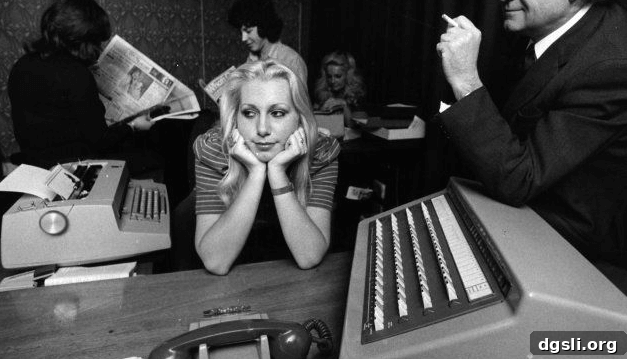
10. Smoking indoors was common: around half of the people in the office smoked at their desks, a practice that would be unimaginable in most workplaces today.
11. The building even included a bar that was open at lunchtime and after work, offering a social hub where colleagues relaxed and socialized on the premises.
12. Lunches could run long—on Fridays especially, it wasn’t unusual for people to stay in the pub until mid-afternoon, blurring the lines between work and leisure in a way that shaped office culture.
13. Junior managers often had private offices and sometimes returned from a heavy lunch to rest at their desks. The hierarchy and office layout reflected different norms around status and privacy.
14. In the early years inflation was high enough that pay rises happened several times a year, making salary adjustments part of routine financial life for many employees.
15. Office walls sometimes featured inappropriate pin-up calendars. Initially these were of model pin-ups; when a male calendar was hung in protest, management banned all calendars altogether—an early workplace debate about taste and professionalism.
16. There was no email to rely on—communication came via paper circulars and notices announcing upcoming social events or policy changes. The absence of constant digital messaging made the workplace quieter in some ways.
17. Safety standards were different, even in small routines like coffee service. People took turns bringing coffee around without lids, and a special tray held the cup-holders. Colleagues called each other out if someone didn’t help, which created a sense of shared responsibility.
18. Remote work didn’t exist. If a problem occurred overnight you were either paged and guided over the phone or you drove into the office. On-call work meant being physically available when systems needed urgent attention.
19. A good lunch was affordable and often part of the workplace routine. Managers paid a little more and sometimes dined in a separate room with waitress service and a glass of wine. He jokes that he gained 28 pounds in his first year, having come from a lean student lifestyle.
20. Dress codes were formal: most men wore suits and ties. One colleague is said to have been denied a promotion for leaving his top button undone—a small detail that mattered in that culture.
Which of these memories do you find most striking? How has office life changed for you personally? Which changes do you think have improved workplaces, and which do you miss from the old days?