

Guest article written by Pamela Rossow
If you have completed your bachelor’s degree and are weighing whether to pursue graduate study, the choice can feel overwhelming. Graduate school requires time, money, and personal commitment, so it’s important to be clear about your motivations. Below are thoughtful reasons to consider graduate school and practical points to help you decide if it is the right next step.
Make a meaningful contribution. Some people pursue advanced degrees because they want to make a positive difference in society. Whether your focus is public health, education, environmental science, or another field with clear community impact, graduate study can deepen your expertise and strengthen your ability to contribute solutions. If improving the world matters to you, a targeted graduate program can provide the training, research opportunities, and professional networks needed to amplify your impact.
Improve earning potential. In many professions, an advanced degree can increase your competitiveness for higher-paying positions or faster promotion. Employers often value the advanced skills, focused knowledge, and demonstrated commitment that graduate study represents. While a degree is not a guaranteed shortcut to wealth, it can open doors to leadership roles, specialized work, and higher starting salaries that may accelerate your long-term financial progress.
Advance your chosen career. For some careers—such as social work, counseling, law, academia, or many health professions—an advanced degree or additional certifications are required for practice or for career advancement. If you already know the profession you want, graduate school may be the necessary path to licensure, credentialing, or the specific skills employers in that field expect. Before enrolling, speak with professionals in your target role and consider informational interviews to confirm what qualifications truly matter.
Stay adaptable in a changing world. Technology and industries evolve rapidly. Graduate programs emphasize critical thinking, research methods, and mastery of complex information—skills that help you adapt as fields change. With a graduate degree, you may find it easier to pivot between roles, acquire new competencies, or access large bodies of specialized knowledge. This adaptability can be an asset whether you plan to remain in one career or explore several over your working life.
Prepare for a doctoral degree. If your long-term goal is to earn a PhD or pursue a career in research or higher education, graduate school is an essential step. Many doctoral programs expect applicants to have completed a relevant master’s degree and to demonstrate research experience. If your ambition is to teach at the university level or lead independent research, enrolling in graduate study now aligns with that trajectory.
Domestic and international employment opportunities. Global labor markets and shifting regional demands mean that graduate education can create more options at home and abroad. Healthcare professions—such as doctors, nurses, and physician assistants—are consistently in high demand around the world, and many students pursue graduate training to qualify for roles in different countries. There are also accredited programs offered in regions like Europe and the Caribbean that attract international students. Working where needs are greatest can expand your career options and allow you to serve communities with high demand for skilled professionals.
When deciding whether to enroll, be honest about your motives. Avoid choosing graduate school merely because someone else suggested it, to delay entering the workforce, or to follow a path that doesn’t reflect your interests. Graduate school can be intellectually rewarding and professionally valuable when pursued for the right reasons and with clear goals.
If you decide to apply, consider these practical steps: research programs carefully, compare curriculum and outcomes, speak with alumni and current students, evaluate costs and funding opportunities, and clarify how the degree will fit into your long-term plans. Careful planning will help you make the most of the investment.
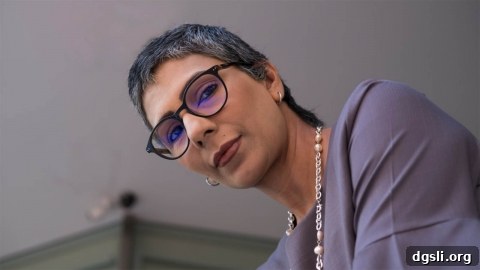
Pamela Rossow is a freelance writer who works with higher education clients such as eLearners. She is a native South Floridian who enjoys photography, literature, and hockey.