

Guest Author: Ben Baker
What is a powerful personal brand and why do you need one? In short, a strong personal brand helps you build influence and trust. When you can clearly define, package, and communicate who you are and the value you deliver, people listen. That trust translates into opportunities—career growth, sales, partnerships, and a platform to share your ideas.
Personal branding isn’t about how you see yourself; it’s about the impression you leave when you’re not in the room. The goal is to reach the right people, help them understand your value, and give them a reason to engage. Branding isn’t only for marketers or salespeople—everyone benefits from a clear, consistent personal brand.
This article outlines practical, actionable steps to strengthen your personal brand and make it more powerful and persuasive.
Know your audience: Identify exactly who you want to reach. Understand their needs, challenges, and priorities. If your message or offerings don’t solve a real problem for them, they aren’t your audience. Too many people assume “everyone” is their audience; that rarely works. Audiences differ in beliefs, motivations, and pain points. The clearer you are about who you serve, the more effectively you can tailor your messaging and demonstrate value.
Understand where you came from: Your past shapes your present and informs your future. Rather than dismissing past experiences as irrelevant, examine them to learn what they taught you. Ask why events unfolded the way they did and what you can take forward. Use those lessons to refine behavior and decisions. Learning from experience helps you grow, adapt, and empathize with others.
Be empathetic: Empathy is central to effective branding. It doesn’t mean agreeing with everyone; it means seeing situations from another person’s perspective. Recognize that people bring unique hopes, fears, and biases to interactions. Acknowledging their viewpoint builds connection and opens the door to influence. Empathy allows you to craft messages that resonate and solutions that matter.
Listen more than you speak: Powerful personal brands are rooted in listening. When you pay attention, you discover shared goals, common challenges, and meaningful ways to help. Listening reveals what matters to your audience and how you can serve them. Brand influence grows from service—showing up to solve problems—not from self-promotion alone.
Understand your goals: Define short-term objectives, medium-term plans (3–5 years), and Big Hairy Audacious Goals (BHAGs). Write your goals down and share them with people who will hold you accountable. A spoken but unwritten aspiration is often just a wish. BHAGs stretch you beyond comfortable limits—aim high, track progress, and take consistent action toward measurable outcomes.
Be consistent: Consistency is essential to a credible brand. How you speak, act, write, and present yourself online and offline shapes others’ perceptions. Keep your promises, follow up on commitments, and be predictable in your behavior. Inconsistency erodes trust faster than almost anything else. If you pledge a follow-up, do it—if you don’t yet have an answer, communicate the next steps.
Professional image matters: Your visuals and presentation should be consistent and professional. Use the same headshot and tagline across social media and profiles so people can easily find and recognize you. A cohesive visual identity reduces friction and reinforces credibility.
Know your passions: Clarify what truly matters to you—what you’ll defend and what you’ll challenge. Your convictions define your voice and differentiate your brand. Be ready to explain why you care about certain issues and what motivates your choices.
Understand your strengths and weaknesses: No one is excellent at everything. Identify your strongest skills and the areas where you need support. Focus on magnifying strengths and build alliances with people whose strengths complement your weaknesses. Invest time where it yields the most return; don’t waste energy trying to become “good enough” at everything.
Have a clear story to tell: A personal brand needs a concise, relatable story. Your story should explain who you are, what you stand for, and what you aim to accomplish. Good storytelling is simple, memorable, and actionable—it gives people a way to relate to you and understand the experiences that shaped your perspective. Avoid a list of facts; focus on moments that reveal how you think and why you do what you do.
About the author: Ben Baker is president and CEO of Your Brand Marketing.
I help brands stop being commodities and become brands worth loving.
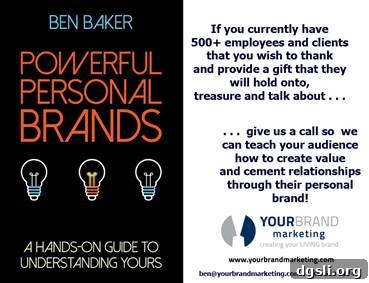
Powerful Personal Brands, Ben Baker
Download a free chapter of my book, Powerful Personal Brands, and start building influence today.
Download your first free chapter here: www.yourbrandmarketing.com/author