
By Charles Sosnik
Do you remember the turmoil of being a teenager? The urge for independence, the emotional ups and downs, and the constant self-consciousness about clothes, acne, and peer opinion? Back then you worried about being seen with your parents or siblings; now imagine that intensity multiplied by a thousand. That is what many students experience today in the age of social media and remote learning.
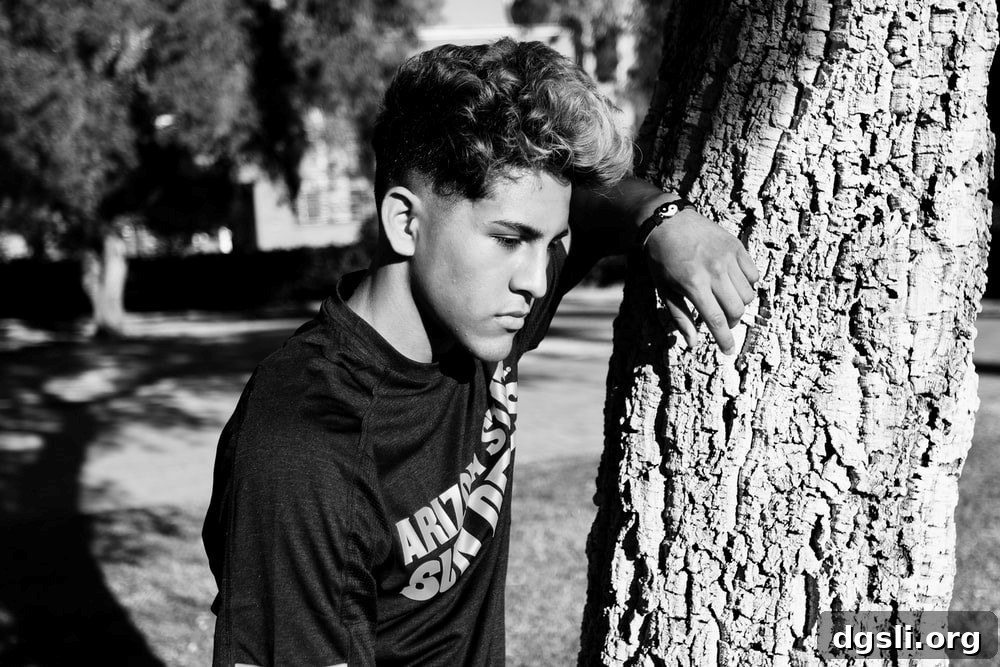
Adolescent embarrassment can be powerful and painful. As Carl E. Pickhardt, Ph.D., wrote in a Psychology Today blog, teens often feel exposed, self-conscious, isolated, anxious, humiliated, or ashamed. Adolescence is an in-between time—not quite a child, not yet an adult—so young people can be criticized for acting too mature or not mature enough. The scrutiny they feel can be overwhelming, like the whole world is watching and judging, leaving them wishing they could disappear from view.
This heightened sensitivity has real consequences for distance learning. One of the biggest challenges teachers face in virtual classrooms is the AWOL student: adolescents who simply stop attending video lessons and group video calls. Many middle and high school students who do have devices and internet access still opt out of live video sessions. Why? Embarrassment about their home environment.
For camera-shy students, a camera is a forced reveal of their private space: messy bedrooms, crowded living areas, or sparse conditions. They fear ridicule from classmates and acquaintances who might notice backgrounds that feel too revealing. That fear drives many to hide, turn off cameras, or avoid synchronous sessions altogether—hurting engagement, learning outcomes, and the social connection that schools try to preserve during remote learning.
It’s vital that educators continue to use video conferencing tools—Zoom, Microsoft Teams, Google Meet, Slack and others—to keep students connected with teachers and peers. Synchronous interactions support learning, accountability, and social-emotional development. But we also need practical solutions that reduce students’ anxiety about being on camera.
One simple, affordable idea is to provide students with a portable “virtual office” they can set up at home: a basic desk, a comfortable chair, and a backdrop or curtain to create privacy and a professional-looking space. For less than $100, a district or school program could supply many students with the essentials to attend live lessons without exposing their entire living space. Creating a small, neat area for learning can boost confidence, encourage camera use, and restore a sense of dignity.
Below is an example budget-friendly shopping list of items that can be combined to create a compact virtual learning space. These are practical, low-cost choices that can be shipped to students’ homes and assembled quickly.
- Linnmon table with Adils legs — simple desk, easy to ship — approximately $24.99
- Snille swivel chair — basic student chair — approximately $19.99
- Raecka curtain rod and bracket combination — ceiling or wall mount curtain rod — approximately $6.99
- Syrlig curtain rings with clips — useful to hang a sheet or curtain — approximately $3.99
- Gatkamomill opaque shower curtain — inexpensive, blocks background view — approximately $9.99
Subtotal before delivery: $65.95
Delivery (for metro areas with a nearby store): $20.00
Estimated total (plus applicable tax): $85.95
With a little planning, equipment like this can be distributed to students who need privacy or who are reluctant to appear on camera. The curtain or shower curtain provides an instant backdrop and privacy screen. A small desk and chair organize a student’s workspace and create a more professional look for video sessions. The cost is low compared to the benefit: higher attendance in live classes, improved engagement, and reduced social anxiety for vulnerable students.
Schools and districts should consider pilot programs that target the students most likely to avoid synchronous learning—middle and high schoolers who report discomfort with video. Pairing hardware distribution with a short orientation on camera etiquette, background options, and privacy settings can further reduce anxiety. Educators can also offer alternatives such as profile pictures, virtual backgrounds where appropriate, or audio participation when camera use remains a barrier.
Addressing the social-emotional obstacles of remote learning requires empathy and practical solutions. By acknowledging adolescent embarrassment and offering inexpensive, respectful ways to create private learning spaces, schools can reconnect students to live instruction and make virtual classrooms more inclusive and effective.
About the author
Charles Sosnik is an education journalist and editor who serves as Editor in Chief at the Learning Counsel. An EP3 Education Fellow, he draws on deep roots in the education community to add context to the narrative of learning and technology. Charles writes regularly for a range of education publications and enjoys combining reporting with practical recommendations for schools navigating change.