
By Nadine Levitt
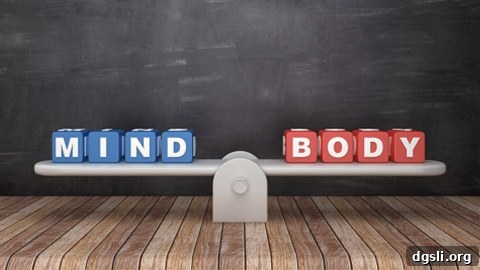
Successful athletes at every level train both their bodies and their minds. They prioritize balanced nutrition, proper hydration, consistent sleep, and smart recovery. They follow disciplined conditioning, stretching, and practice routines. But what sets top performers apart is their equal focus on mental preparation: managing stress, harnessing belief, visualizing success, and maintaining a reliable mind-body connection.
This powerful connection is well established in sport, yet it remains underused in many classrooms. By adapting athletic mental strategies for education, teachers can help students build resilience, focus, and a healthier relationship with learning. The result is a new generation of Classroom Champions who are physically and mentally prepared to succeed.
3 Ways Elite Athletes Train Their Minds
1. Awareness: Top athletes continually monitor their emotional and mental state. They routinely check in: Are distractions present? Is stress elevated? What is the source? A scattered mind leads to scattered performance, so athletes learn to identify and address what’s interfering.
The same principle applies in the classroom. Educators can teach students to notice how emotions, sleep, social conflict, or distractions affect learning. Explicit conversations and concrete language help students name their feelings—“I’m upset about a fight with a friend,” or “I stayed up late and feel tired”—so they understand that performance can be influenced by outside factors rather than being a reflection of fixed ability.
When teachers help students separate circumstance from identity, students are more likely to treat setbacks as opportunities to grow instead of permanent judgments about themselves. Provide simple tools—breathing, reframing statements, short movement breaks—that students can practice to calm nerves and refocus when stress arises.
2. Regular reflection: Athletes routinely record and review their practice and performance, often with a coach or teammate. External feedback uncovers blind spots and highlights areas for improvement. Watching oneself perform creates deeper awareness than relying on memory alone.
In schools, reflection is just as valuable. Instead of rushing from one unit to the next, build in moments for students to review their work, reflect on what worked, and plan next steps. This practice promotes ownership of learning and fosters a growth mindset—the understanding that skills improve through effort and strategy rather than being fixed traits.
A growth mindset reframes statements like “I’m just bad at math” into targeted, constructive reflections: “I struggled with fraction problems—what practice will help me improve?” Regular, guided reflection helps students diagnose challenges and design realistic steps toward improvement.
3. Practice, practice, practice: Athletes know skills rarely appear instantly; they are built through repetition. Mental skills are no different. Techniques like focused breathing, visualization, pre-performance routines, and self-talk become reliable under pressure only through repeated rehearsal.
When students repeatedly practice mind-body strategies, they become resilient, self-aware learners who can access calming and focusing tools during tests, presentations, or stressful group work.
Specific Techniques You Can Use to Strengthen the Mind-Body Connection in Your Classroom
Each student responds to stress differently. Common classroom stressors include fear of failure, time pressure, distractions, and overwhelming emotions. A countdown timer might motivate one student and distress another. Because responses vary, offer a menu of strategies and let students choose what works for them.
Practical classroom techniques to teach and model:
- Pause and take several slow, deep breaths. Mindful breathing quickly steadies attention and reduces physiological arousal.
- Change your environment briefly: stand, stretch, walk to refill a water bottle, or shift seats to reset focus.
- Use music strategically—calming tracks to reduce stress or upbeat songs to energize a lesson where appropriate.
- Do a quick body scan: notice hunger, thirst, or tension and address basic needs before continuing with a task.
- When stuck, return to a point of confidence and rebuild from there; small successes restore momentum.
- Model and encourage emotional vocabulary. When students can name feelings, they can manage them more effectively instead of being overwhelmed.
- Teach the power of belief and affirmations. Encourage students to create simple growth-focused mantras or daily statements that reinforce effort, practice, and persistence.
- Promote collaboration and peer support. Teamwork and a reliable support network strengthen resilience and provide constructive feedback.
By regularly embedding awareness, reflection, and practiced mental skills into daily routines, teachers help students develop tools that support learning, manage stress, and build confidence. These strategies are accessible, scalable, and aligned with social-emotional learning goals that prepare students for academic challenges and life beyond the classroom.
About the author
Nadine Levitt is a national educator who has worked across K–12 settings and observed over 400 classrooms. She trains teachers to incorporate sports-informed mental training into school practice, offering hands-on techniques to reduce stress and strengthen the mind-body link for deeper learning. Her work includes developing activities and resources that use music and movement to support classroom well-being through her work with WurrlyEDU.
This article was originally published by The Learning Counsel, a research institute and news media organization focused on the transition to digital curriculum in education.