
By: Mac-Z Zurawski
After nineteen years working on a glass manufacturing line, Carla lost her job during the Great Recession. Her day-to-day experience had consisted of operating machinery, pushing buttons, and moving parts in a warehouse. When she began searching for new work, she found that many positions at or near her previous pay now required digital skills—basic computer literacy and familiarity with social media. To her, Facebook was something her teenage children used to socialize. With a severance grant, she returned to school hoping education would help her re-enter the workforce and learn the skills demanded by twenty-first century employers. At thirty-seven she felt frustrated and unsure how to bridge the gap between her past experience and the modern workplace.
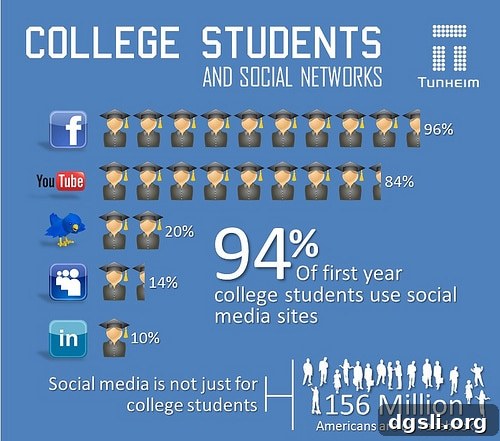
Teachers and community educators can play a vital role in helping adults like Carla. While colleges may enroll students in traditional classes—biology, composition, or introductory math—these courses do not by themselves teach how to navigate social media, online networking, or professional digital communication. As educators in the twenty-first century, we should deliberately include social media literacy in coursework so students learn how to research, present, and interact online with confidence and professionalism.
Facebook, Twitter and LinkedIn as Classroom Tools
Course syllabi can list social platforms as legitimate research and observation sites. Instructors are not asking for groundbreaking academic work, but students can find local events, community groups, company pages, and job postings that reveal valuable information about marketing, public opinion, and civic life. Social media acts as a dynamic community board and a modern encyclopedia of social behavior—accessible, diverse, and current. Encouraging students to move beyond passive news consumption and participate as informed commenters or contributors fosters civic engagement and critical thinking.
Practical assignments make the learning concrete. For example, ask Sociology 101 students to locate a neighborhood or civic group page and monitor conversations for a week. Have them analyze participation patterns: who contributes, what topics dominate, how discussions develop, and whether certain demographics are more active. Business or marketing students could inventory local products or services with active social pages, evaluate engagement strategies, and compare promotional tactics such as coupons or contests. These field-study style activities connect course concepts to real-world digital environments.
Creative Classroom Extensions
Many traditional classrooms lack the dedicated learning management systems that colleges use. In such cases, private groups on social platforms can function as discussion boards, assignment hubs, and peer-review spaces. A teacher can create a temporary, moderated group for each class, monitor participation, and assign credit for contributions. This offers students structured practice in online communication while allowing instructors to model and correct tone, etiquette, and clarity.
For a GED or adult composition class, a simple exercise is to have each student post two paragraphs responding to the previous student’s entry. This encourages creativity, exposes learners to different writing styles, and helps expand vocabulary and confidence. Regular, low-stakes online writing practice builds fluency and fosters a sense of class cohesion and mutual support.
Building Professional Identity and Portfolios
Social media platforms encourage clearer communication and professional presentation skills. Adult classrooms today may include diverse learners—from eighteen-year-old freshmen to older adults retraining for new careers. These students benefit from guided practice creating professional profiles and portfolios that showcase work, education, volunteer roles, and leadership experiences. Many students, especially first-generation professionals, need support describing their accomplishments in ways employers recognize.
Instructors can guide learners to compare sample profiles, identify strong wording and effective presentation techniques, and build their own profiles that highlight transferable skills. Social platforms also expand networking opportunities beyond local communities, exposing students to job leads, mentorship, and collaborative projects they might otherwise miss. Learning to maintain a professional online presence is itself a form of career development.
Expanding Horizons and Closing the Skills Gap
Carla’s situation is not unusual. Social media and online networking have helped many adults improve work prospects and educational opportunities. When teachers intentionally include social media literacy in course design, they help students bridge the gap between current skills and employer expectations. That educational leadership changes lives: it equips learners to find opportunities, present themselves professionally, and participate confidently in a broader world.
Incorporating social media responsibly into syllabi—through research assignments, private discussion groups, and portfolio development—prepares students for the realities of the modern workplace. As educators, we lead with more than textbooks; we teach digital citizenship, professional communication, and practical strategies that make career transitions possible.
Please forward any questions, comments, suggestions, or concerns.