
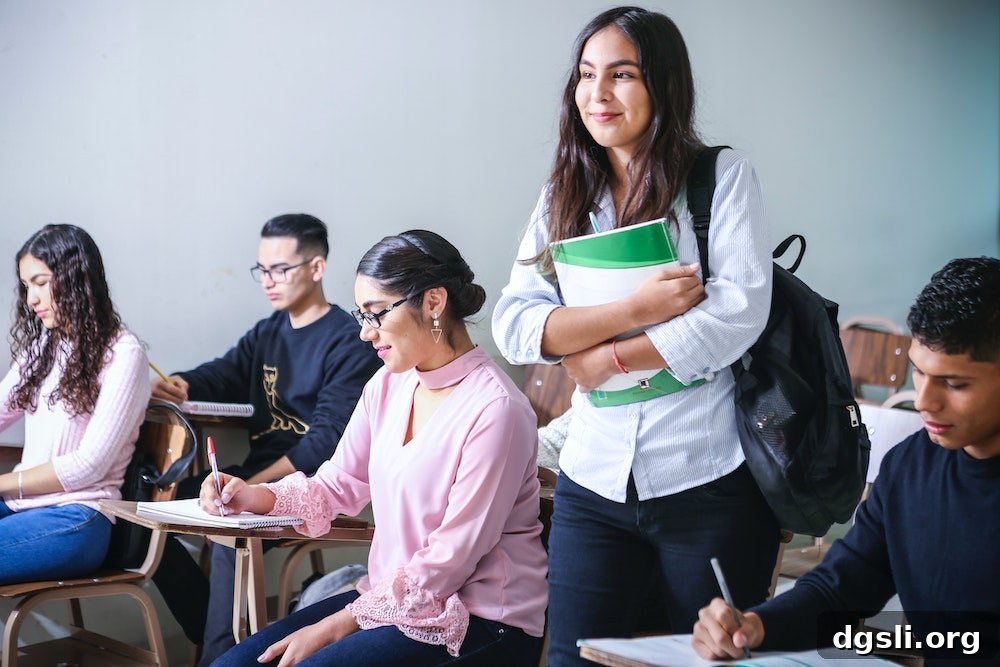
The reading, writing, and arithmetic taught in classrooms represent only part of a child’s education. From kindergarten through high school, students also learn important social and emotional skills as they form friendships, participate in classroom activities, and engage in extracurriculars. These social-emotional lessons shape how well students manage emotions, resolve conflict, and build healthy relationships—skills that are essential for long-term success.
As schools respond to a rise in gun-related incidents by increasing security measures, well-intentioned efforts can sometimes create unintended consequences. When school environments begin to resemble fortified spaces more than welcoming learning centers, students may experience heightened anxiety and stress. Stress triggers the brain’s fight-or-flight response, which makes concentration and learning more difficult. When stress is prolonged, it can become toxic and undermine students’ learning, behavior, and overall health.
A Balanced Approach to School Security
Effective school security balances physical protection with attention to students’ emotional well-being. A balanced approach gives parents and students visible assurance—security cameras, a staffed reception desk, trained staff who know emergency protocols, and a clear, communicated safety plan—without creating a climate of fear. The goal is to create environments that are both safe and supportive, so students can learn without overwhelming anxiety about safety threats.
Balance means avoiding heavy-handed practices that focus solely on deterrence and surveillance. Measures that clearly protect physical safety should be implemented in ways that preserve a positive school climate. When students feel safe emotionally as well as physically, they are better able to engage academically and socially.
There are practical challenges to striking this balance. Some security tools, such as metal detectors or visible armed guards, can be effective deterrents but also create stress for students. These measures may be necessary in some contexts, yet they risk making students feel like they are in a high-threat environment. The appearance and role of security personnel matter: when guards are distant or strictly authoritative, students are less likely to view them as trusted adults.
Despite these trade-offs, schools can combine protective practices with supportive interventions. Administrators can coordinate security experts and technology teams to maintain safety while partnering with teachers, counselors, and mental health professionals to preserve a nurturing learning environment. The following strategies can help schools protect students both physically and emotionally.
Secure the perimeter of the school at all times
Perimeter security is a low-intensity, cost-effective way to reduce risk without disrupting daily life. Simple steps—locking external doors, limiting public entry points, and monitoring exterior access—reduce the chance of unauthorized entry. Small lapses, such as a propped door after outdoor practice or an unlocked loading entrance, create vulnerabilities. Routinely enforcing protocols, using remote-locking entry points into a controlled reception area, and ensuring someone monitors those points can keep the building secure while minimizing the visible signs of fortification that might alarm students.
Track risk indicators for students
Early identification of behavioral changes can prevent harm and allow schools to offer support. Warning signs may include a rise in disciplinary incidents, a sudden drop in grades, unexplained absenteeism, or indications of substance use. Monitoring these indicators enables staff to intervene with counseling, academic support, or family outreach before problems escalate. Many incidents stem from students who feel disconnected or aggrieved; fostering connection and empathy across the student body reduces isolation and the likelihood of violence. Schoolwide programs that teach empathy, conflict resolution, and peer support benefit both at-risk individuals and the broader student population.
Consider technology carefully
Technology can enhance safety, but choices must be made with students’ well-being in mind. Software-based threat detection can often be integrated with existing camera systems without adding intrusive hardware. Schools should weigh privacy and psychological effects when choosing tools: solutions that feel overly invasive, such as widespread biometric identification, may erode trust among students and families. Select technologies that provide actionable safety benefits while respecting privacy and minimizing stress.
Student safety requires attention to both the body and the mind. By adopting a thoughtful, balanced approach—combining practical perimeter protection, early identification of risk, careful use of technology, and strong mental health supports—schools can create environments that are secure and emotionally supportive. When schools safeguard physical safety without sacrificing emotional health, they become healthier places for learning, growth, and belonging.
Patrick Brimstein, a veteran school district superintendent and former Special Forces team member, now works with Actuate as an educational advisor. He contributes operational knowledge of public education systems, strategic market insight, and expertise focused on student well-being and safer schools.