

Written By Dr. Nancy Heath
Program Director, Child and Family Development at American Public University
The prevalence of childhood overweight and obesity has risen sharply over the past 30 years, affecting children as young as preschool age. Parents, educators, clinicians, and public health researchers have searched for solutions, but reversing this trend has proven complex. Childhood obesity is driven by multiple, interrelated factors—many social, environmental, and behavioral—and effective responses must address them together.
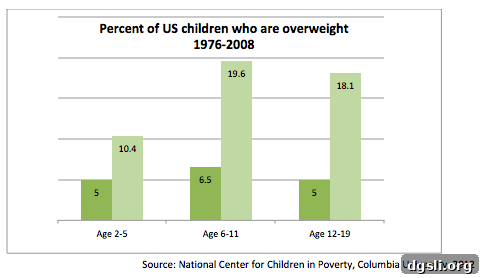
Several common contributors stand out. Extended sedentary time, especially screen use, plays a major role. Diets high in added sugars, saturated fats, and processed foods also contribute. And there is a social dimension: children in lower-income communities consistently face greater barriers to healthy eating, safe outdoor play, and access to structured physical activity than their more affluent peers. Each of these elements deserves careful consideration.
Screen time has expanded well beyond traditional television. Mobile devices, tablets, and streaming platforms now occupy large portions of children’s waking hours. Prolonged periods sitting and watching screens reduce energy expenditure and displace opportunities for active play. In addition, screen time often coincides with snacking. It is easier for a child to reach for packaged snacks while watching a show than to prepare a healthier option, and exposure to food advertising can increase requests for high-calorie, low-nutrient products. These combined effects—less movement, more mindless eating, and intense marketing—help explain why screens are closely linked to weight gain in children.
Reducing screen time alone, however, is unlikely to be a silver-bullet solution. Research suggests that when screens are turned off, children do not always replace that time with moderate or vigorous physical activity. Schools play a crucial role in providing opportunities for movement, yet physical education and recess have been reduced in many districts due to budget constraints or shifting priorities. In addition, many neighborhoods—particularly those with limited resources—lack safe parks, sidewalks, or community centers where children can play freely. Public health campaigns such as Michelle Obama’s “Let’s Move” have highlighted the need for increased physical activity, but making that happen requires sustained investment in safe environments, school-based programming, and family supports.
Family routines and household structure also influence children’s weight. Regular family meals and consistent bedtimes are two protective behaviors that appear to lower the risk of obesity. Sharing an evening meal provides opportunities for parents to model balanced eating, control portion sizes, and reduce reliance on convenience foods. Consistent sleep schedules support healthy hormones and appetite regulation—short sleep has been associated with higher obesity risk in children, especially younger children and boys. Unfortunately, both family meals and regular sleep routines have become less common in many households, and these declines are more pronounced among families facing economic hardship or single-parent caregiving challenges.
When families combine protective practices—eating evening meals together, limiting recreational screen time, and ensuring adequate sleep—children are substantially less likely to become obese. Recent studies indicate that children who regularly follow these routines can be roughly 40 percent less likely to develop obesity than peers who do not. While this association does not guarantee prevention for every child, it highlights practical, everyday strategies that families and caregivers can use to support healthy growth.
Addressing childhood obesity will require multi-level solutions: supporting parents with education and resources, preserving and expanding school-based physical activity and nutritious meal programs, creating safe spaces for active play in neighborhoods, and encouraging policies that reduce targeted marketing of unhealthy foods to children. Interventions that recognize the economic and social realities of families—especially those in under-resourced communities—will be more equitable and more effective.
Without greater collective effort to support healthy routines, environments, and access to nutritious foods and physical activity, the health, social, and economic consequences of rising childhood obesity will grow. Families, schools, clinicians, and communities all have a role to play in making lasting, positive changes for children’s health.
About the Author:
Nancy Heath holds a Ph.D. in Child Development and Family Studies and serves as Program Director for the Child and Family Development program at American Public University. She is a licensed Marriage and Family Therapist and volunteers with the Red Cross in Disaster Mental Health.