

By Ian Fagan and Julian Fagan
Editor’s Note: This is part one of a three-part series on student wellbeing.
The pandemic has intensified concerns about student wellbeing. Years of rising mental health issues among young people met an abrupt challenge when lockdowns stripped away everyday opportunities for social connection—one of the strongest protections against mental illness for children and adolescents.
Direct reports from students show worrying trends. For example, wellbeing-tracking platforms recorded sharp drops in self-reported positivity during extended lockdowns, with many schools reporting that a large share of student feedback referenced isolation as a key factor in negative feelings. These first-hand accounts reinforce what educators have long suspected: social and emotional needs are central to a student’s ability to learn and thrive.
School leaders and teachers consistently cite meeting students’ social-emotional needs as their top challenge. In surveys of districts and educators, maintaining meaningful connections with learners during remote or disrupted schooling was one of the most frequently named pain points, with many teachers reporting that students struggled to engage and cope when learning from home.
Collecting data about students’ social and emotional states is an essential first step, but it is only useful if it leads to action. Below are practical, evidence-informed examples of how schools have translated insight into everyday practice to strengthen connection and support student wellbeing.
- Changing language: One school shifted from the term “social distancing” to “physical distancing.” The subtle change highlights that people must remain physically apart, not socially isolated, and encourages students and families to find new ways to stay connected. This simple reframing correlated with higher self-reported wellbeing among that school’s students compared with broader averages, demonstrating how small changes in language can influence mindset and resilience.
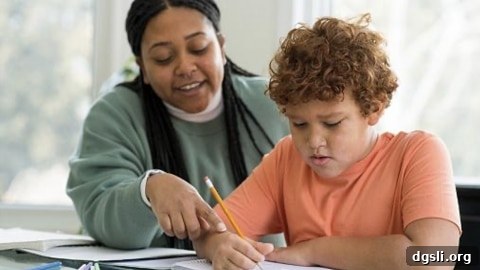
- Checking in: Regular, genuine check-ins from teachers make students feel seen and cared for. Creative questions can elicit meaningful responses—asking students what they would change if they were principal for a day, or inviting them to share something their teacher doesn’t know about them, can open new lines of dialogue. These responses help teachers adjust instruction, offer targeted support, and build trust. Schools that embed weekly or daily check-ins into routines often discover issues early and create stronger classroom communities.
- Sharing vulnerabilities: The disruption of a crisis can also create space for honest conversations. Some schools have introduced structured time—such as a weekly “Wellbeing Wednesday”—dedicated to discussing mental health, coping strategies, and personal challenges. Framing an hour each week for open, guided conversations normalizes vulnerability and gives students permission to express concerns they might otherwise keep to themselves. When educators and peers model openness, students are more likely to share and seek support.
There is much debate about whether the pandemic will permanently transform education. In the near term, the most actionable opportunity lies in changing the conversation rather than overhauling systems. Simple shifts—asking different questions at the dinner table, combining wellbeing checks with academic updates, or renaming practices to emphasize connection—can produce meaningful results.
Even amid considerable challenges, schools can intentionally build cultures where open, honest conversations about feelings and struggles become part of everyday life. Teachers, principals, and parents all play a role in starting and sustaining this dialogue so that every student is known and supported.
About the authors
Julian Fagan co-founded the wellbeing software company Skodel with his twin brother Ian. His personal reflection on how academic success can be hollow without emotional resilience motivated the creation of a platform designed to give every student a voice that is heard and acted upon. Skodel is used by schools to check in regularly with students and guide interventions when needed.
Ian Fagan is an entrepreneur in the education sector who launched his first venture, HSC Study Buddy, right after high school. Concerned by rising youth mental health challenges and informed by his own experience, Ian partnered with Julian to develop Skodel, a tool that provides educators and school professionals with timely information on student wellbeing to support at-risk learners.
This article was originally published by The Learning Counsel, a research institute and news media hub focused on the shift in education to digital curriculum.