

By Sarah Wallace
The U.S. labor market showed continued strength in July, with the Bureau of Labor Statistics reporting 255,000 new jobs and an unemployment rate that has remained below 5 percent for several months. For recent graduates and those about to enter the workforce, these conditions present both opportunity and competition. Roughly 1.9 million students graduated this past spring, and employers were expected to hire about 5 percent more from the class of 2016 than the year before. Still, job seekers who have not yet secured positions will need to be proactive as a new academic year begins and the class of 2017 prepares to begin its search.
Students today spend considerable time working with academic advisors and campus career centers to prepare for careers. Colleges and universities have a strong incentive to help graduates find meaningful employment: successful placement rates are a major factor in recruiting new students. Institutions are increasingly using modern technology to strengthen relationships with students and improve service delivery across recruitment, advising and career services.
Mobile devices are now a central channel for student communication and engagement. A study from Pearson Education found that nine out of ten college students own a smartphone, and campuses must recognize how smartphones, tablets and social media shape the way students access information, interact with staff, and manage appointments with professors, advisors and career counselors. Meeting students where they are—on their devices—helps institutions deliver timely, relevant support.
As student expectations evolve, campus IT and student services teams must respond quickly and thoughtfully. Self-service tools and digital portals are becoming essential, allowing students to complete tasks, access resources and find information without unnecessary delays. These tools reduce administrative burden for faculty and staff while making services more convenient and efficient for students.
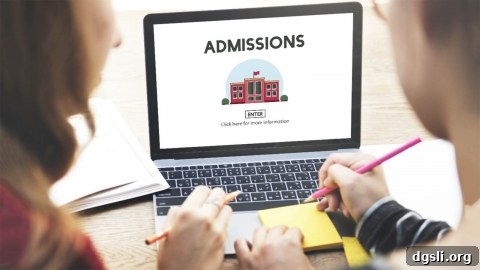
One technology gaining traction across higher education is online appointment scheduling. Colleges use scheduling systems for a wide range of needs: prospective student tours and admissions interviews, career center consultations, counseling and health services, and faculty office hours. By enabling students to book appointments from any device at a time that suits them, institutions improve accessibility and responsiveness. Schools that adopt online appointment scheduling often see benefits across recruitment and retention, since prospective and current students experience more personal, consistent service.
At the University of Colorado’s Leeds School of Business, a campus-wide strategy emphasizes academic and career advising to help students capitalize on their strengths and prepare for the job market. Centralized appointment scheduling supports Leeds’ career coaches by simplifying the process of meeting with students, facilitating more frequent and focused advising interactions that help students refine career plans, prepare application materials, and identify opportunities that match their goals.
Enhancements such as text message reminders and alerts further improve the appointment experience. Sending relevant details and timely reminders helps reduce no-shows and keeps students informed about upcoming meetings. Text communications are particularly effective because students regularly check messages on their phones, making reminders an efficient way to maintain engagement and punctuality.
Contrary to concerns that reliance on mobile technology might make campus interactions impersonal, many institutions find the opposite to be true. When technology removes barriers to scheduling and communication, students can more easily connect with advisors, faculty and campus services, creating more frequent and meaningful touchpoints. In this way, mobile tools amplify personalization rather than replace it.
Given rising tuition and growing concern about student loan debt, prospective students are increasingly selective about where they enroll. Schools that prioritize high-quality, accessible student services — including user-friendly online scheduling, responsive career centers and mobile-first information delivery — strengthen their value proposition. These investments help students make the most of their education and enhance overall satisfaction with campus life.
As the U.S. job market continues to expand, students will benefit from early and sustained career preparation. Career centers that offer multi-channel access to resources and staff, supported by reliable online scheduling tools and mobile communications, provide a more seamless job search experience. That improved support contributes to student success in securing the right career match and to a stronger alumni network that reflects well on the institution.
About the Author: Sarah Wallace is the principal market analyst for TimeTrade. Wallace provides market research and analysis across vertical markets including banking, financial services, health and wellness, higher education, retail, insurance and telecommunications.