

Written By: Robyn Shulman
Research from the firm Ambient Insight estimates that roughly 12 million post-secondary students currently take most or all of their classes online, and projects that number could grow to more than 22 million within five years. This rapid expansion of online learning raises urgent questions about what we may be gaining—and what we might be losing—when higher education becomes more about convenience than in-person engagement.
I pose the following questions about our education system:
- What motivates a student to choose an online course instead of an on-site class?
- Have we overlooked how different delivery methods affect the learning process?
- Which subjects and disciplines are truly well suited to online instruction, and which require on-site presence?
- How has online learning changed students’ skills—both positively and negatively?
- Has online learning had a measurable impact on communities, and is that impact positive or negative?
- Which degrees and professions require hands-on or in-person training, and are institutions addressing those needs appropriately?
- Have some institutions sacrificed mission, framework, and academic integrity for enrollment numbers and revenue?
- Is financial incentive the main driver behind the shift to online delivery?
- How has the rapid movement to online courses affected professors, their workload, and their ability to mentor students?
- Have we lost the human touch in education?
These questions deserve sustained attention. As more of our lives move into virtual spaces, higher education must be evaluated not only on access and affordability but on quality, learning outcomes, and social consequences.
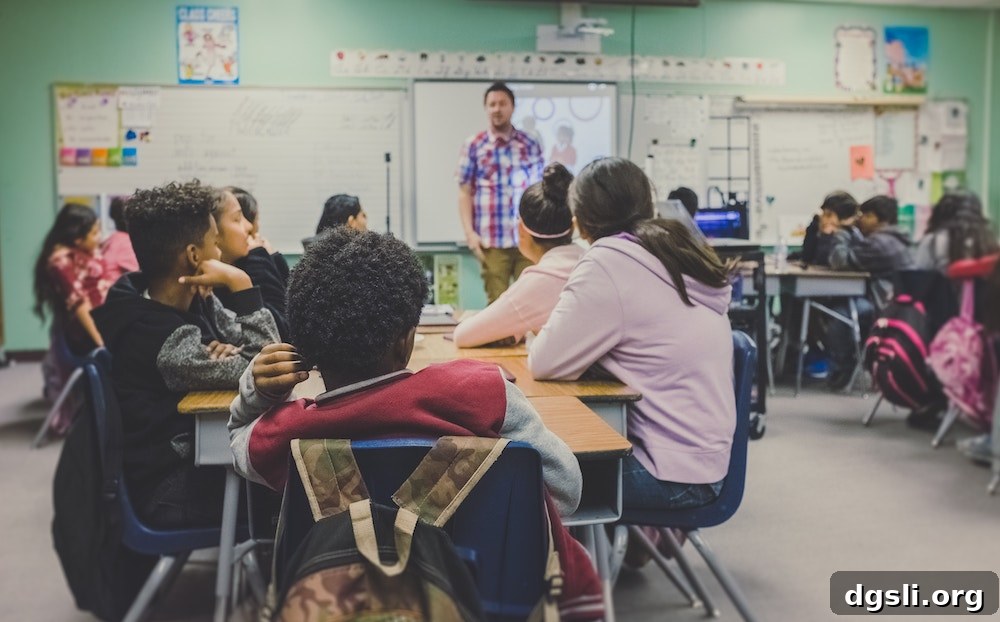
I will address one of the most pressing concerns: have we lost the human touch in education? My own experience offers a clear perspective. When I completed my M.Ed., online courses were not an option. As a teacher, many of my classes required hands-on learning—materials and methods that demanded in-person practice and immediate feedback. Beyond skill development, weekly gatherings of 25 fellow teachers became an important community: we shared stories, debated ideas, laughed together, and forged friendships that endure to this day. Those interactions contributed to my growth in ways that would have been difficult to replicate in an exclusively virtual format.
Education and the online environment is now a given.
Many graduate programs and undergraduate courses are now available online, and some students earn advanced degrees entirely through virtual study. That shift has clear advantages: improved access for working adults, flexibility for people with caregiving responsibilities, and opportunities for learners who live far from campus. Students who engage in online learning can develop strong independent study habits, digital communication skills, and familiarity with remote collaboration tools—abilities that are valuable in today’s workforce.
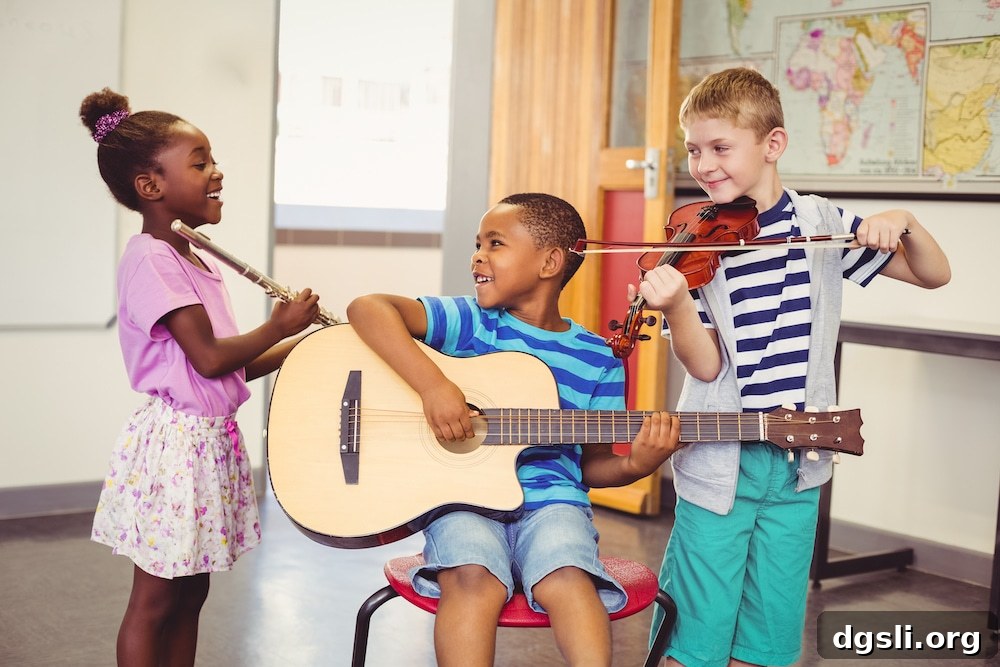
At the same time, there are important limits to what online environments can replicate. Certain disciplines—laboratory sciences, clinical health professions, performing arts, studio-based fine arts, and trades training—rely heavily on tactile practice, supervised skill acquisition, and immediate instructor feedback. These fields often require equipment, mentorship, and real-world context that cannot be fully reproduced through asynchronous videos or discussion boards. Even in lecture-driven fields, the informal conversations that occur before and after class, the study groups formed in hallways, and the mentorship that develops from in-person office hours contribute to professional identity and social learning.
We need a balanced approach. Rather than adopting a one-size-fits-all mentality, institutions should evaluate each program by learning outcomes, accreditation standards, and the competencies students must demonstrate. Hybrid models, blended experiences, and thoughtfully designed immersive in-person components can combine the strengths of both modalities. For students, clear guidance about which courses are best taken online versus in person will help them make informed choices. For institutions, transparent policies on assessment, faculty support, and resource allocation will protect academic quality and student success.
Finally, the shift to online education affects faculty workload, community connections, and public perceptions of higher education. Faculty need training in course design, time to provide meaningful feedback, and recognition for the additional labor online teaching often requires. Communities and employers must also be part of the conversation—measuring whether graduates have the practical skills and professional readiness expected for their fields.
Online learning is here to stay, and it offers transformative possibilities for access and flexibility. But preserving the human elements of education—mentorship, collaboration, hands-on practice, and community—will be essential to ensuring that higher education continues to serve students and society well. Which of the questions above would you like to explore further about our education system?